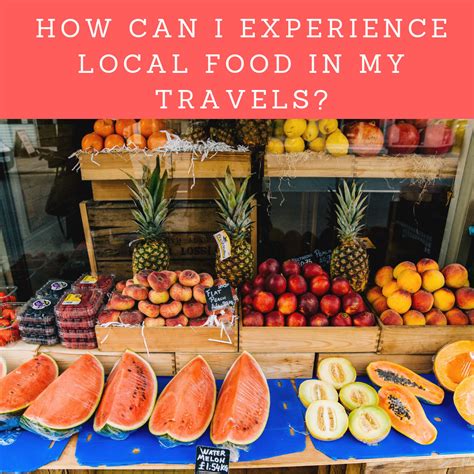
What are your best visual cues for spotting truly authentic local eats on food adventures?

The Quest for Culinary Authenticity
Embarking on a food adventure is about more than just satisfying hunger; it’s about diving deep into a culture’s heart through its cuisine. Yet, in a world full of tourist traps and diluted experiences, how do you spot the real deal? The key often lies in what you see before you even take a bite. Visual cues can be powerful indicators of a restaurant’s authenticity, guiding you past the duds to the delightful.
The Tell-Tale Signs of a Local Gem
The Crowd: Look for Locals, Not Tourists
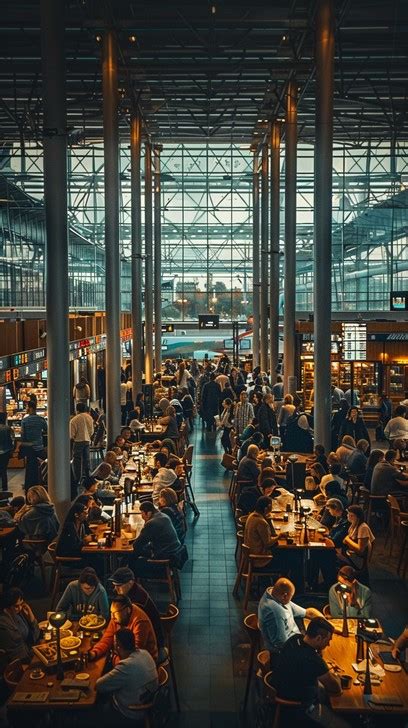
This is arguably the strongest visual cue. If a restaurant is filled predominantly with local residents, especially during peak meal times, you’re likely onto something good. Locals know where the best food is, and they vote with their feet (and their wallets). Pay attention to their interactions, their language, and their general comfort in the space – these are all subtle signs of a trusted establishment.
The Ambiance: No-Frills Authenticity
Authentic local eateries often prioritize food quality over elaborate decor. Look for humble, unpretentious settings. Worn tables, simple chairs, maybe even plastic stools on the street – these can be strong indicators that the focus is entirely on the culinary experience. A lack of overly polished, ‘instagrammable’ aesthetics often signals a place that has stood the test of time based purely on its taste, not its decor.

The Menu: Simplicity Speaks Volumes
A short, focused menu, perhaps handwritten or only available in the local language, is often a great sign. It suggests mastery over a few specific dishes rather than a sprawling, mediocre offering. Pictures on a menu, while sometimes helpful for non-native speakers, can occasionally be a red flag if they look overly generic or catered strictly to tourists. Conversely, a few well-placed, mouth-watering photos of actual dishes can be a good sign, especially if paired with a local-heavy clientele.

The Kitchen and Ingredients: Transparency is Key
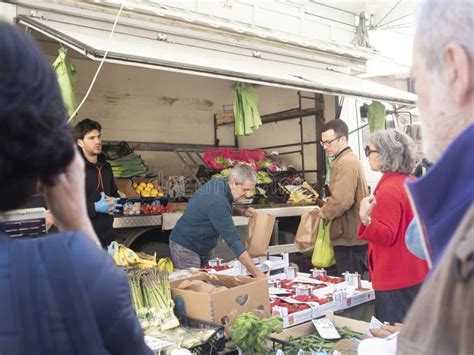
If you can see into the kitchen or watch the food being prepared, it’s usually a positive sign of freshness and confidence. Spotting fresh, vibrant ingredients on display – be it a basket of herbs, fresh produce, or raw meats – indicates a commitment to quality. The sight of chefs meticulously preparing dishes, even in a bustling street food setting, speaks volumes about their dedication to their craft. Don’s be afraid of a little controlled chaos; often, it’s a sign of a busy, efficient operation.
Subtleties and What to Avoid
Be wary of restaurants with aggressive touts outside, overly flashy signage catering to Western tastes, or menus translated into a dozen languages. While not always definitive, these can often be indicators of establishments prioritizing tourist dollars over genuine culinary traditions. Instead, look for queues, the clatter of happy diners, and the visual evidence of food being prepared and consumed with genuine enjoyment.
Conclusion: Trust Your Gut (and Your Eyes)
Ultimately, spotting truly authentic local eats is an art refined through experience. By paying close attention to these visual cues – the crowd, the decor, the menu, and the visible preparation – you significantly increase your chances of discovering those hidden culinary treasures that define a memorable food adventure. Let your eyes be your guide, and prepare to taste the true flavors of your destination.