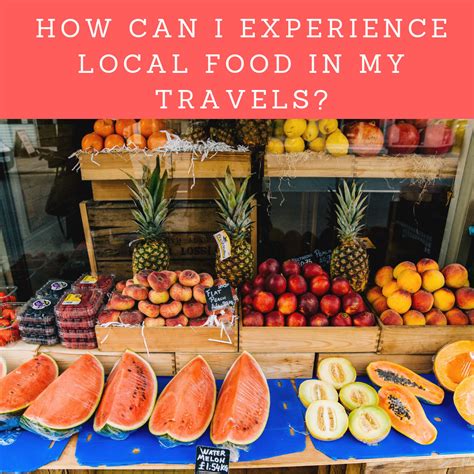
What are your best visual tips for authentic street food photography?

Embracing the Authenticity of Street Food
Street food is a sensory feast – a vibrant tapestry of flavors, aromas, and sounds that tells a story of culture and community. Photographing it authentically requires more than just a good camera; it demands an understanding of light, composition, and respect for the environment and the people who create these culinary delights. Here are some of our best visual tips to help you capture the true spirit of street food.
Mastering Natural Light for Impact
Natural light is your best friend when shooting street food. Seek out soft, diffused light, such as that found in open shade or on an overcast day. If the sun is bright, try to position yourself so the light comes from the side or slightly behind the food, creating beautiful highlights and shadows that add dimension. Avoid direct midday sun, which can create harsh shadows and blown-out highlights. Early mornings or late afternoons offer the coveted ‘golden hour’ light, which can bathe your subjects in a warm, inviting glow.

Composition: Framing Your Culinary Story
Think beyond just placing the food in the center. Use the rule of thirds, placing your main subject off-center for a more dynamic image. Look for leading lines, like the edge of a counter or the arrangement of ingredients, to draw the viewer’s eye into the frame. Experiment with different angles: shoot from above for a flat-lay perspective that showcases all components, or get down low to emphasize the steam rising from a hot dish. A shallow depth of field can beautifully isolate the food, blurring out distracting backgrounds and making your subject pop.
Focus on the Details: Texture, Color, and Action
Authenticity often lies in the details. Get close enough to capture the glistening sauce, the crispy texture of fried dough, or the vibrant colors of fresh herbs. Don’t just photograph the finished dish; look for moments of preparation – hands mixing ingredients, sizzling woks, or the precise carving of meat. These elements add a sense of process and human touch, making your images more engaging and real.

Context is King: Showcasing the Environment
Street food isn’t just about the food itself; it’s about the bustling market, the busy vendor, and the vibrant atmosphere. Include elements of the surroundings to provide context. This could be a blurry background of market-goers, the vendor’s stall decorations, or even the hands of a customer reaching for a bite. These environmental shots help tell a richer story, transporting the viewer directly to the scene.
Engage with People and Seek Permission
The human element is crucial for authentic street food photography. Capture candid moments of vendors interacting with customers, or the joyous expression of someone enjoying a meal. However, always remember to be respectful. A smile and a gesture, or a simple ‘Can I take a picture?’ often goes a long way. Building a brief rapport can lead to more natural and genuine shots.

Beyond the Plate: Storytelling Through Props and Presentation
Sometimes, the presentation itself tells a story. Look for unique serving vessels, traditional cutlery, or even the way the food is wrapped. These ‘props’ are not staged but are part of the authentic street food experience. A weathered wooden table, a hand-painted sign, or a stack of fresh ingredients can all contribute to the narrative of your photograph, adding layers of authenticity and visual interest.

Final Thoughts: Patience and Respect
Authentic street food photography is a journey of patience and respect. Take your time, observe your surroundings, and be mindful of the people and their culture. By focusing on natural light, strong composition, intricate details, and the rich context of the environment, you’ll not only capture stunning images but also truly convey the heart and soul of street food.