What are your go-to edible garnishes for stunning, photo-ready recipe visuals?

The Art of Visual Appeal: Why Garnishes Matter
In today’s visually-driven world, a recipe’s appeal often begins not with a taste, but with a glance. Food photography has become an essential component of sharing culinary creations, and the difference between a good photo and a great one often lies in the details. While the main components of a dish provide the flavor, it’s the edible garnishes that add the crucial finishing touches, transforming a simple meal into a captivating visual story.
Garnishes aren’t merely decorative; they add depth, color, texture, and a hint of the dish’s character, enticing viewers to dive in. For anyone aiming to create photo-ready recipe visuals, understanding and mastering the art of garnishing is paramount.
Fresh Herbs: The Unsung Heroes
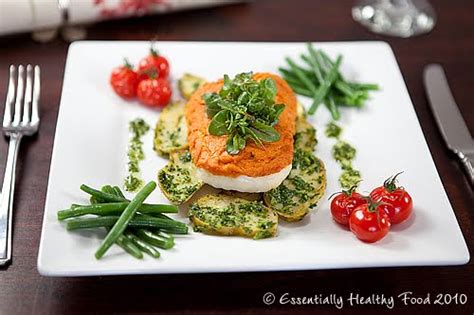
Few things enhance the freshness and vibrancy of a dish quite like a sprinkle of fresh herbs. Their bright green hues provide a striking contrast against most foods, instantly elevating the visual appeal and suggesting a burst of flavor. They are versatile, easy to source, and can be used in various forms.
Consider finely chopped parsley, cilantro, or dill for a delicate touch, or sprigs of mint, basil, or chives for more pronounced texture and height. A few perfectly placed leaves can make all the difference, making the dish appear more alive and aromatic, even in a still photo.
Brightness and Zest: Citrus Power
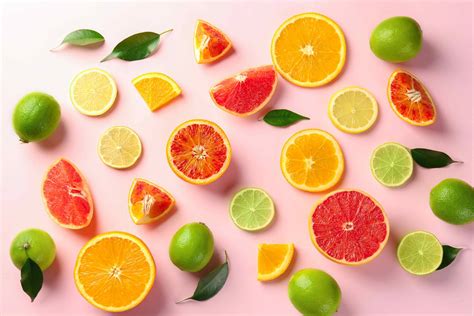
When a dish needs a pop of color, a hint of acidity, and a touch of shine, look no further than citrus. Lemon, lime, and orange can be incredibly effective garnishes, offering both visual and aromatic benefits. A finely grated zest can add a vibrant, concentrated burst of color and a delightful fragrance.
For more substantial visual impact, consider thin slices or wedges of citrus artfully placed on the plate. They provide a clear visual cue to the flavor profile, adding brightness and a professional finish to everything from savory seafood to sweet desserts.
Texture and Warmth: Spices, Seeds, and Crumble
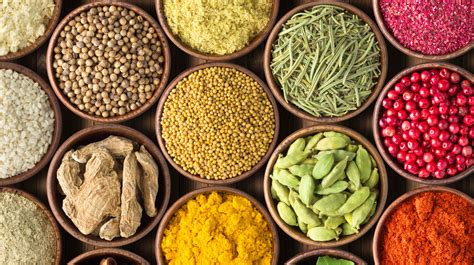
Beyond fresh and bright, sometimes a dish calls for depth, warmth, or a contrasting texture. This is where spices, seeds, and various crumbles shine. A dusting of paprika can add a beautiful reddish-orange hue, while a sprinkle of chili flakes suggests a delightful kick. Sesame seeds or poppy seeds offer tiny, intricate textures and a subtle crunch.
Toasted nuts (like slivered almonds or chopped pecans) or seasoned breadcrumbs can add a rich, golden-brown color and a satisfying textural element. These garnishes work wonders on soups, salads, roasted vegetables, and baked goods, providing an inviting textural contrast that looks fantastic on camera.
The Finishing Touch: Drizzles and Sauces
Nothing says professional plating quite like an artful drizzle or swirl of sauce. These liquid garnishes add movement, sheen, and often a contrasting color, pulling the entire dish together. A balsamic glaze can add a dark, glossy contrast to light-colored dishes, while a swirl of olive oil can enhance the natural vibrancy of a soup or dip.
For desserts, a chocolate sauce, fruit coulis, or caramel drizzle can create intricate patterns and a tempting glossy finish. The key is controlled application – a steady hand and a squeeze bottle or spoon can help create elegant lines or dots that instantly elevate the visual appeal.

Delicate Details: Edible Flowers and Microgreens
For an extra touch of sophistication and unique color, edible flowers and microgreens are stellar choices. Edible flowers like pansies, nasturtiums, borage, or viola offer delicate beauty and often surprising flavors, adding a gourmet flourish to salads, desserts, and cocktails.
Microgreens, such as micro-basil, arugula, or radish sprouts, provide a delicate, feathery texture and intense flavor in a tiny package. They add height and an ethereal quality to dishes, making them appear fresh, vibrant, and incredibly chic.
Mastering the Garnish: Tips for Photo-Ready Dishes
- Less is More: Over-garnishing can make a dish look cluttered. Aim for strategic placement that enhances, not overwhelms, the main components.
- Consider Contrast: Use garnishes that provide a visual contrast in color, texture, or shape to make the dish pop.
- Harmonize Flavors: While visual appeal is key, ensure your garnish complements the dish’s flavor profile.
- Strategic Placement: Place garnishes where they draw the eye, highlight key ingredients, or add a sense of balance to the composition.
- Highlight with Light: Position your dish so that the light catches the sheen of sauces or the delicate textures of herbs, making them sparkle.
By thoughtfully incorporating edible garnishes, you can transform your recipe visuals from mere documentation into compelling culinary artistry. Each carefully chosen leaf, zest, or drizzle tells a part of the dish’s story, inviting viewers to savor its beauty long before they taste its flavors.