What are your top tips for visually stunning plating using fresh, seasonal ingredients?
In the culinary world, we often eat with our eyes first. A beautifully plated dish, especially one that highlights the natural splendor of fresh, seasonal ingredients, can elevate the dining experience from mere sustenance to an art form. It’s about more than just taste; it’s about telling a story on the plate. Here are our top tips for crafting visually stunning dishes that tantalize before the first bite.
Embrace the Harmony of Colors and Textures
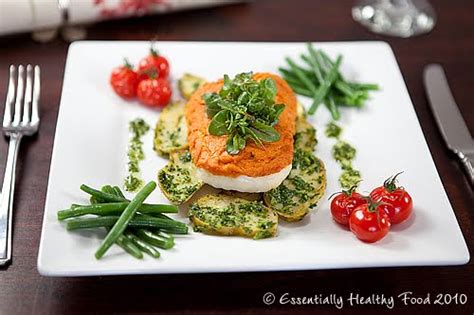
Fresh, seasonal ingredients are your best friends for vibrant plating. Spring brings bright greens and pastel berries, summer offers a riot of reds and yellows, autumn showcases rich oranges and deep purples, and winter provides earthy tones. Think about complementary colors and contrasts. A dish that incorporates a variety of hues, from bright vegetables to rich proteins, naturally draws the eye and suggests a complex flavor profile.
Beyond color, texture is crucial. A plate that features a crunchy element alongside something creamy, crisp, or tender creates a more interesting and dynamic experience. Consider a seared scallop (tender) atop a bed of vibrant pea purée (creamy) with a sprinkle of toasted breadcrumbs (crunchy) and a few microgreens (crisp). This interplay of textures is as delightful to the eye as it is to the palate.
Master the Art of Composition
Embrace Negative Space
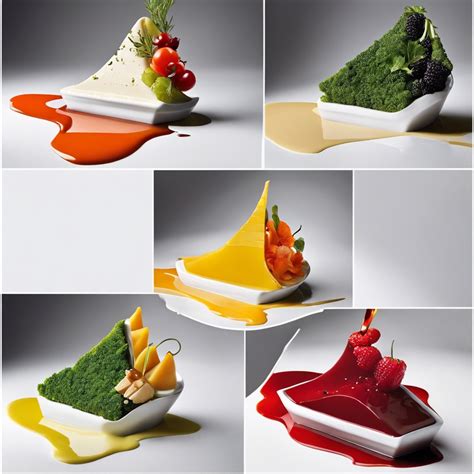
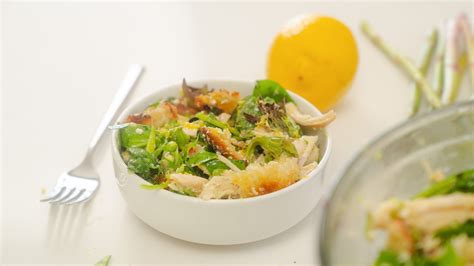
Just as in painting, negative space on a plate is essential. Avoid overcrowding your dish. Leaving some white space around your ingredients allows each component to stand out and gives the eye a place to rest. It creates a sense of elegance and sophistication, implying restraint and confidence in your cooking.
The Rule of Odds and Asymmetry
Odd numbers of items (like three scallops or five asparagus spears) tend to be more visually appealing and dynamic than even numbers. Additionally, don’t be afraid of asymmetry. A perfectly symmetrical plate can feel rigid; an off-center arrangement often feels more natural and artistic. Place your main protein slightly off-center and build around it.
Building Height and Dimension
Flat plates can be boring. Introducing height and dimension adds visual interest and a professional touch. Stack ingredients carefully, lean them against each other, or use purées as a base to elevate other components. For instance, a small mound of risotto can serve as a pedestal for a piece of fish, or roasted vegetables can be artfully stacked.
Thoughtful Garnishing and Saucing
Fresh, Edible Garnishes
Garnishes should always be fresh, edible, and relevant to the dish. A few delicate sprigs of fresh herbs (parsley, dill, thyme), vibrant microgreens, edible flowers, or a sprinkle of toasted nuts can add a final flourish, providing both color and a subtle textural contrast. They should enhance, not overpower, the main elements.
Precision Saucing
Sauces are not just for flavor; they are an integral part of plating. Instead of drowning your ingredients, apply sauces with precision. Drizzle artfully, create swooshes or dots, or use squeeze bottles for fine lines. A contrasting color sauce can beautifully frame the main components or add a pop of color to an otherwise monochromatic dish.

Choose Your Canvas Wisely
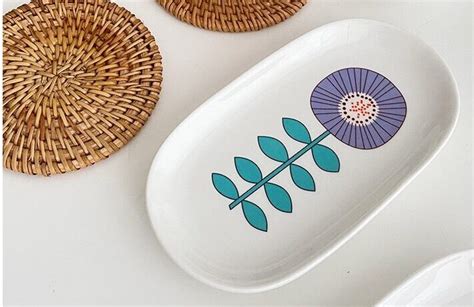
The plate itself is your canvas. Consider its shape, size, and color. White plates are often preferred as they make food colors pop, but dark or colored plates can also create stunning contrasts depending on the dish. A large plate gives you more negative space to work with, while smaller, deeper bowls are perfect for soups or pasta. Choose crockery that complements, rather than competes with, your food.
Practice Makes Perfect
Plating is a skill that improves with practice. Don’t be afraid to experiment with different arrangements, angles, and garnishes. Take photos of your creations to see what works and what doesn’t. Over time, you’ll develop an intuitive sense for what looks balanced, appealing, and delicious. Utilizing the inherent beauty of fresh, seasonal ingredients will always give you a head start.

By focusing on color, texture, composition, careful garnishing, and choosing the right plate, you can transform everyday meals into memorable dining experiences. Let the natural beauty of seasonal produce guide your creativity, and watch your dishes come alive visually.