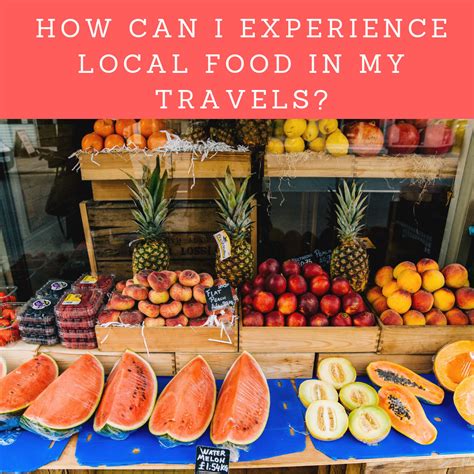
What are your top visual clues to spot truly authentic local eats while exploring?

Unlocking the Secrets to Authentic Local Dining
One of the greatest joys of exploring a new destination is undoubtedly diving headfirst into its culinary landscape. Beyond the tourist traps and international chains, lies a world of truly authentic local eats, brimming with flavor and culture. But how do you, as a curious traveler, distinguish the genuine article from the cleverly disguised imitations? The answer often lies in observing subtle, yet powerful, visual clues. Training your eyes to spot these indicators can transform your food adventures from good to unforgettable.

The Crowd Factor: Where Do the Locals Eat?
Perhaps the most reliable visual cue is the clientele itself. If a food stall, hawker cart, or small eatery is packed with locals – not just a scattering, but a clear majority – you’ve likely struck gold. Look for families, workers on their lunch break, or groups chatting animatedly in the local language. Tourists are often drawn to places with English menus and glossy photos, while locals flock to establishments known for consistent quality and tradition, often with little to no fanfare.
Humility and Specialization: Less is Often More
Authentic local eateries rarely boast elaborate decor or expansive, multi-cuisine menus. Instead, look for modest settings: simple tables, plastic stools, perhaps a well-worn counter. A small, focused menu, often handwritten or displayed prominently, is another strong indicator. These establishments typically specialize in one or two dishes, perfecting them over generations. This dedication to a specific craft is a hallmark of true authenticity, rather than trying to cater to every taste.

Open Kitchens and Visible Preparation
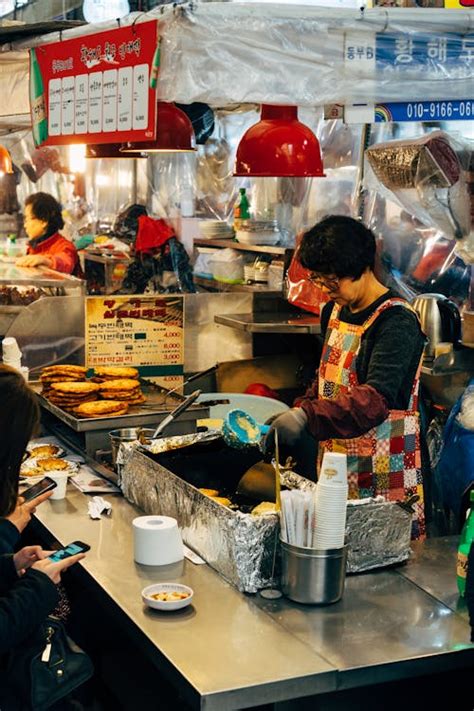
Transparency is key. Many truly authentic spots feature an open kitchen or a visible preparation area where you can watch the food being cooked right before your eyes. Seeing fresh ingredients being handled, dough being kneaded, or a wok being expertly tossed not only assures you of freshness but also gives you a captivating glimpse into the local culinary techniques. It’s a sign of pride in their craft and nothing to hide.
The Line Factor: Patience is a Virtue
A long line, particularly during peak hours, is usually a positive sign. While it might test your patience, it often signifies immense popularity and high turnover, meaning the food is constantly fresh. Locals are willing to wait for quality, and you should be too. Observe the pace of the line – if it moves quickly, that’s another good indicator of an efficient operation serving a well-oiled machine of deliciousness.
Signs of History and Wear
Don’t be put off by a little wear and tear. Sometimes, the oldest, most unassuming establishments serve the best food. Scuffed floors, faded paint, and well-used cookware can all be signs of a long-standing business that has built its reputation on flavor, not aesthetics. These places often carry a rich history and generational knowledge in their cooking.
Specific Tools and Ingredients
Pay attention to unique cooking tools or indigenous ingredients being used. Whether it’s a specific type of grill, a traditional grinding stone, or unusual herbs and spices prominently displayed, these elements suggest a commitment to traditional methods and flavors unique to the region. It’s an affirmation that you’re about to taste something truly local.
Conclusion: Trust Your Instincts (and Your Eyes)
Ultimately, spotting authentic local eats is a delightful blend of observation and intuition. By keenly looking for bustling local crowds, humble specialized establishments, transparent kitchens, and signs of a rich culinary history, you empower yourself to bypass the tourist traps. Embrace the adventure, trust your visual clues, and prepare your taste buds for an unforgettable journey into the heart of local cuisine.