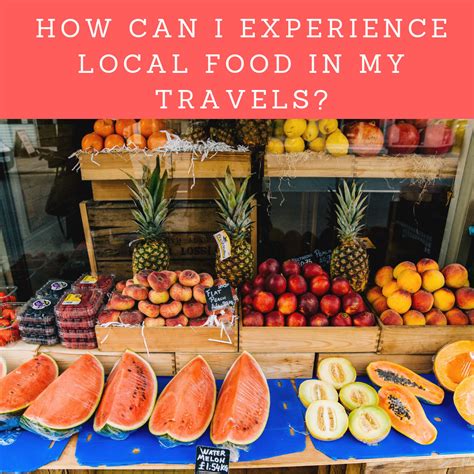
What are your top visual tips for capturing real food adventure flavors?

Embrace the Magic of Natural Light
One of the most powerful tools in a food photographer’s arsenal is natural light. Artificial light, especially a harsh flash, can strip food of its authenticity and make it look unappetizing. Seek out soft, diffused natural light, typically found near windows or in open shade outdoors. This kind of lighting highlights textures, brings out vibrant colors, and adds a sense of freshness to your dishes, making them look as delicious as they truly taste.
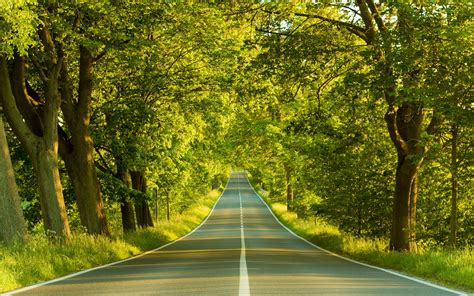
Avoid direct sunlight which can create harsh shadows and overexposed areas. Instead, position your food so that the light hits it from the side or slightly from behind, creating appealing shadows and depth that enhance the visual appeal of the ingredients and the finished dish.
Tell a Story with Context and Environment
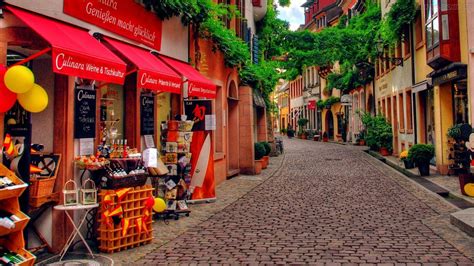
A food adventure is rarely just about the plate of food itself; it’s about the entire experience. To truly capture the flavor, you need to convey the atmosphere. Include elements of your surroundings: the bustling market stall where you bought the ingredients, the quaint cafe setting, the local art on the walls, or even the rustic table on which the meal is served. These contextual clues transport the viewer directly into your culinary journey, adding layers of authenticity and narrative to your photographs.
Don’t be afraid to pull back and capture wider shots that include hands preparing food, the chef at work, or the unique decor of a restaurant. These elements paint a richer picture and evoke the emotions and memories associated with the meal.
Focus on the Intricate Details and Textures
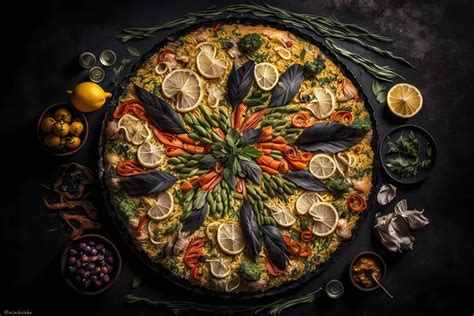
Often, the ‘flavor’ of a dish is visually expressed through its details. Get in close! Macro shots can reveal the delicate steam rising from a hot bowl, the char marks on grilled vegetables, the glistening sauce, or the intricate layers of a pastry. These close-ups emphasize the textures and freshness, making the food almost palpable through the lens. Paying attention to these small nuances can make a significant impact on how appetizing your photographs appear.
Sharp focus on a specific texture – the flakiness of a pastry, the juiciness of a fruit, or the rough crust of artisanal bread – communicates a sense of quality and deliciousness that a broader shot might miss. Experiment with different depths of field to highlight these focal points.

Master Dynamic Composition and Angles
Experimentation with composition can elevate your food photos from simple snapshots to captivating art. Don’t stick to just one angle. An overhead ‘flat lay’ shot works wonderfully for showcasing a spread of dishes or intricate plating. An eye-level shot creates an intimate connection with the food, as if you’re about to take a bite. Shooting from a low angle can make food appear grander and more substantial.
Utilize the rule of thirds to create balanced and engaging compositions. Look for leading lines in the setup – cutlery, table edges, or even the arrangement of ingredients – to draw the viewer’s eye through the frame. Negative space can also be your friend, allowing the food itself to truly stand out without distraction.
Incorporate the Human Element and Action
Food adventures are often shared experiences, filled with human connection. Capturing people interacting with the food adds an invaluable layer of storytelling and emotion. This could be hands reaching for a plate, a chef passionately garnishing a dish, or the joyful expression on someone’s face as they take their first bite. These ‘action shots’ convey the energy and enjoyment inherent in a true food adventure.
The human element not only adds scale and perspective but also infuses your images with life and authenticity. It reminds viewers that these are not just static objects, but experiences meant to be savored and shared, making your visual narrative much more engaging and relatable.

Conclusion
Capturing the ‘flavor’ visually is an art that blends technical skill with keen observation and storytelling. By mastering natural light, providing context, focusing on details, experimenting with composition, and including the human element, you can transform your food adventure photographs into rich, sensory experiences. Practice these tips on your next culinary journey, and you’ll find yourself not just documenting meals, but reliving delicious memories through your lens.