What CTA makes Visual Bites convert foodies to full recipe views?
In the fast-paced world of short-form video and image content, platforms like Visual Bites thrive on delivering quick, delectable inspiration. However, the true challenge lies not just in captivating a foodie’s attention, but in converting that fleeting interest into a deeper engagement – specifically, a full recipe view. The right Call-to-Action (CTA) is the crucial bridge in this journey.
Understanding the Foodie’s Mindset on Visual Bites
Foodies come to Visual Bites for immediate gratification: stunning visuals, quick tips, and instant mouth-watering ideas. They’re often browsing during a break, looking for dinner inspiration, or simply enjoying the aesthetics of food. Their attention span is short, and their decision-making process is rapid. A CTA must therefore be highly relevant, easily digestible, and offer clear value within this context.
The goal isn’t just to get a click, but to fulfill an implicit desire for more information once a dish has piqued their interest. The ideal CTA anticipates this desire and offers an effortless path forward.
The Anatomy of an Irresistible Recipe CTA
An effective CTA for recipe conversion on Visual Bites must possess several key characteristics. It needs to be:
- Clear and Concise: No ambiguity. Users should instantly understand what will happen when they tap.
- Visually Prominent: It must stand out without being obtrusive or distracting from the main content.
- Action-Oriented: Using strong verbs that encourage immediate interaction.
- Value-Driven: Hinting at the benefit of tapping (e.g., getting the full instructions, learning the secret ingredient).

Top CTA Strategies for Converting on Visual Bites
1. The Explicit “Get Recipe” or “Full Instructions” Button
This is the most straightforward and often most effective. A clearly labeled button, strategically placed on the screen (e.g., bottom, corner overlay), that simply states “Get Recipe” or “View Full Instructions” leaves no room for doubt. The benefit is immediate clarity and low cognitive load for the user.
2. Contextual “Tap for More” Overlays
Sometimes, a subtle overlay that appears after a short engagement (e.g., 3-5 seconds into a video, or after viewing an image for a certain duration) can be highly effective. Phrases like “Tap to Bake This” or “Recipe Details Here” can work well. The timing is crucial to ensure it doesn’t interrupt initial consumption but appears just as curiosity peaks.
3. The “Swipe Up” or “Link in Bio” Alternative
While “Swipe Up” is common on other platforms, a similar interaction within Visual Bites’ UI (if supported) can be intuitive. Alternatively, for creators, a “Link in Bio for Recipe” instruction paired with an engaging visual can direct highly motivated users, though this adds an extra step. The key is to make that ‘link in bio’ easily accessible and clearly labeled once the user navigates there.
4. Interactive Elements and Gamification
Consider CTAs that are more than just buttons. A subtly animated “recipe card” icon that nudges users, or even a poll asking “Would you make this? Yes / Get Recipe” can be engaging. These approaches add a layer of interactivity, making the conversion feel less like a transaction and more like part of the discovery process.
Placement and Timing are Everything
The best CTA text is useless if it’s not seen or appears at the wrong moment. For Visual Bites, placement typically means a clean, non-intrusive overlay or a persistent button that doesn’t obscure the food content. Timing often involves showing the CTA once the initial visual hook has landed and the user has processed enough information to feel intrigued. A CTA too early can be ignored; too late, and the user may have already moved on.
A/B Testing and Continuous Optimization
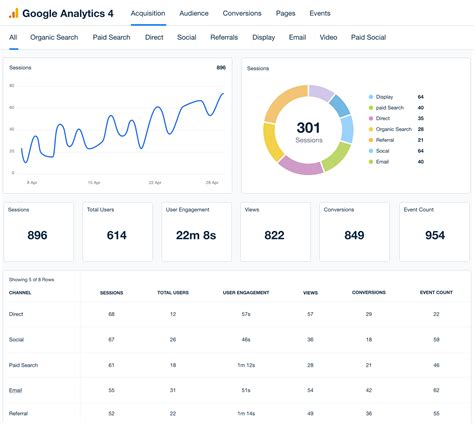
No single CTA works for everyone or forever. The key to long-term success on Visual Bites is continuous A/B testing. Experiment with different phrases (“Get Recipe” vs. “Full Instructions”), button colors, sizes, placements, and timing. Analyze conversion rates, click-through rates, and user feedback to refine your approach. The Visual Bites audience’s preferences can evolve, so your CTAs should too.
Conclusion
Converting foodies from a quick visual bite to a full recipe view on Visual Bites hinges on a well-crafted, strategically placed, and clearly communicated Call-to-Action. By understanding the user’s journey, making the CTA prominent yet unintrusive, and continuously optimizing based on data, Visual Bites creators and the platform itself can effectively guide users deeper into the culinary experience, transforming fleeting interest into delicious engagement.