What editing tips elevate Visual Bites from good to ‘mouth-watering’ for real foodies?

For true foodies, a visual bite isn’t just about showing food; it’s about evoking an experience, a craving, a memory. While a great shot starts with proper lighting and styling, it’s the post-production magic that truly elevates an image or video from merely “good” to undeniably “mouth-watering.” Moving beyond basic filters, here are advanced editing tips to make your culinary creations irresistibly delicious through the lens.
Mastering Color and White Balance for Appetizing Hues
The first step to a truly ‘mouth-watering’ visual is ensuring your colors are accurate and appealing. An incorrect white balance can make delicious food look unappetizingly dull or strangely tinted. Start by meticulously correcting your white balance to reflect the true colors of the dish as seen in real life. Beyond correction, consider subtle enhancements: boost reds and oranges slightly to emphasize warmth and cooked perfection, while keeping greens fresh and vibrant for garnishes. Avoid over-saturation, which can make food look artificial; instead, aim for natural vibrance that makes ingredients pop.

Enhancing Texture and Detail to Tempt the Palate
Foodies eat with their eyes first, and texture plays a monumental role in this sensory experience. Editing can dramatically enhance the perceived texture of a dish. Use sharpening tools judiciously to bring out the crispness of a crust, the delicate flakiness of a pastry, or the succulence of a grilled steak. Clarity and dehaze sliders can also be powerful allies, adding depth and definition without overdoing it. Focus on areas where texture is key – the glistening fat on a piece of meat, the soft crumb of a cake, or the tiny bubbles in a carbonated drink – to draw the viewer’s eye and make them almost feel the food’s consistency.
Playing with Light and Shadow for Dramatic Impact
Light sculpts food, and shadows add drama and depth. In editing, you have the power to refine these elements to create a more compelling narrative. Gently lift shadows in areas that might be too dark, revealing hidden details, but be careful not to flatten the image entirely. Conversely, deepening certain shadows can enhance contrast and create a more professional, moodier aesthetic, especially for rich desserts or hearty mains. Use subtle vignettes to draw attention to the center of the dish, mimicking the natural fall-off of light and framing the star of your visual bite.
Refining Composition and Focus for a Pin-Sharp Invitation
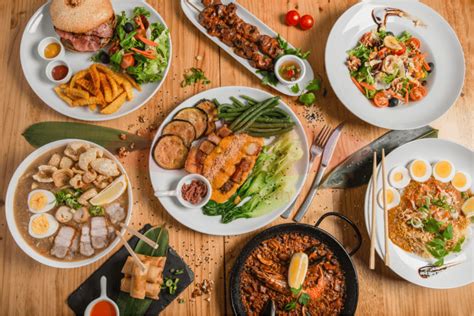
Even if the initial shot had good composition, editing offers a chance to perfect it. Cropping can tighten a shot, eliminate distractions, or reframe the dish to follow the rule of thirds more effectively. For focus, ensure that the most appealing part of the dish is tack-sharp. If your initial depth of field wasn’t quite shallow enough, some advanced editing software allows for subtle blurring of the background to make your food stand out even more. This ensures the foodie’s gaze is immediately drawn to the delicious details you want to highlight.

The Art of Subtle Storytelling and Emotional Connection
Beyond technical adjustments, truly ‘mouth-watering’ visuals tell a story. Editing can help infuse this narrative. Consider the mood you want to evoke: cozy and rustic, elegant and sophisticated, fresh and vibrant? Adjust colors (warm vs. cool tones), contrast, and even grain to match this feeling. A subtle, unified color grade can tie multiple shots together in a video, creating a cohesive visual language. Think about the emotional response you want from a foodie: a feeling of comfort, excitement, or pure indulgence, and guide your editing choices accordingly.
Final Polish: Eliminating Distractions and Adding a Signature Touch
Before exporting, zoom in and meticulously check for any small distractions: a rogue crumb, a water stain, or an unsightly reflection. These tiny imperfections can detract from the overall appeal. Lastly, consider a signature touch—it could be a particular color grade, a specific level of contrast, or a slight textural treatment that becomes synonymous with your style. This consistent aesthetic not only distinguishes your work but also builds anticipation for your next visual bite among your foodie audience.
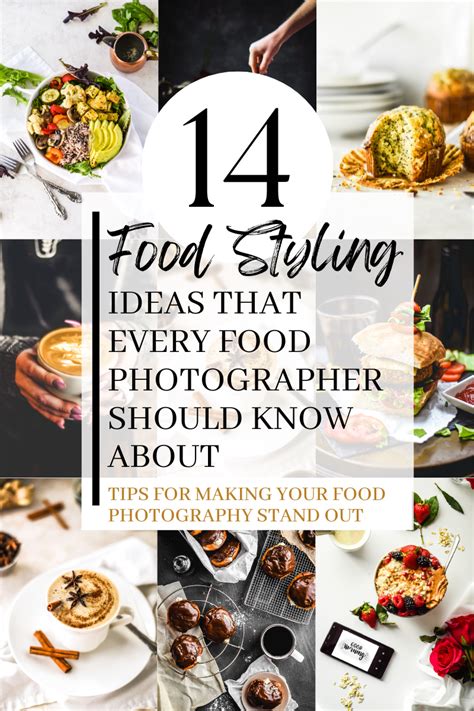
Elevating ‘Visual Bites’ from good to ‘mouth-watering’ is an iterative process of technical precision and artistic vision. By dedicating time to mastering these editing nuances—from precise color correction and texture enhancement to dramatic light manipulation and subtle storytelling—you’re not just presenting food; you’re crafting an irresistible invitation. Each refined detail contributes to a richer, more engaging experience that resonates deeply with real foodies, transforming passive viewing into active craving.