What ingredient swaps elevate common recipes for dazzling foodie visuals?
The Art of Visual Food Appeal
In today’s visually-driven world, a dish isn’t truly complete until it looks as good as it tastes. Food photography dominates social media feeds, and the difference between a good dish and a great one often lies in its aesthetic presentation. But how do you achieve that ‘wow’ factor without resorting to elaborate, time-consuming techniques? The secret often lies in strategic ingredient swaps that naturally enhance color, texture, and overall visual interest. Let’s explore how thoughtful substitutions can turn common recipes into dazzling visual feasts.
Vibrant Colors: The First Impression
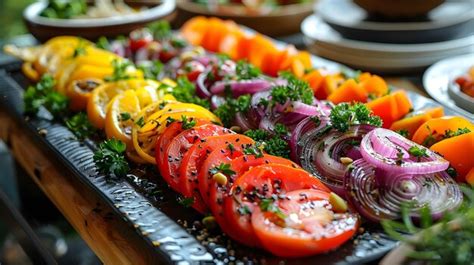
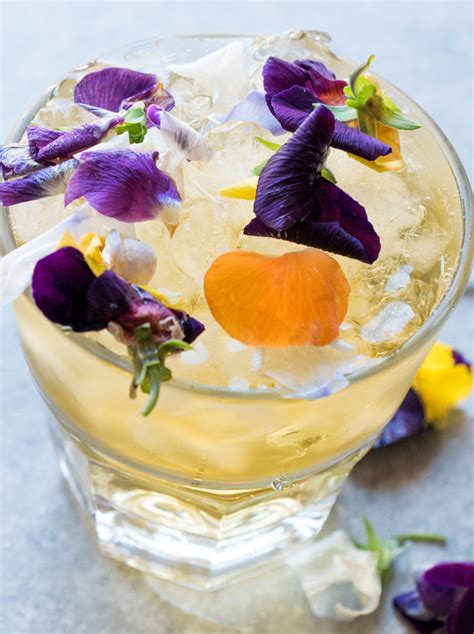
Color is arguably the most impactful visual element in food. Dull, monochrome dishes rarely excite the eye. By swapping out or adding ingredients specifically for their hue, you can instantly brighten and elevate a dish. Instead of plain white pasta, consider using spinach or beet pasta for a pop of green or purple. Replace standard potatoes with colorful sweet potatoes or purple potatoes for a more dynamic side. For a garnish, trade simple parsley for a mix of fresh herbs like dill, chives, and cilantro, or better yet, a scattering of pomegranate seeds or edible flowers.
Think about a simple tomato soup. While delicious, its uniform red can be visually flat. A swirl of bright green basil pesto or a dollop of contrasting white sour cream or crème fraîche can provide immediate visual intrigue. Similarly, adding roasted cherry tomatoes of various colors (red, yellow, orange) to a salad or pasta dish brings a kaleidoscope of color that’s both appealing and adds a burst of flavor.
Texture Play for Dynamic Plating
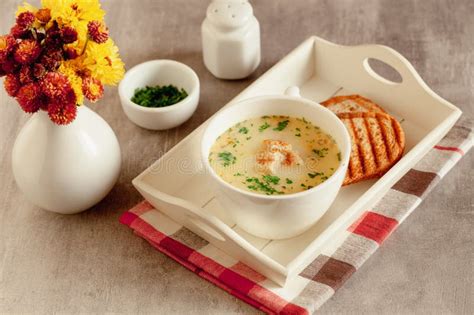
A dish that looks flat can often be saved by introducing varied textures. Consider contrasting soft elements with crunchy ones. For a creamy soup, a drizzle of chili oil and a handful of toasted pumpkin seeds or artisanal croutons instantly adds depth and visual interest. Instead of serving plain mashed potatoes, incorporate crispy fried shallots, chives, or a swirl of roasted garlic oil.
When preparing something inherently soft, like scrambled eggs or risotto, think about a textural counterpoint. A sprinkle of crumbled crispy bacon, toasted breadcrumbs (panko is excellent here), or even finely chopped fresh chives can make all the difference. For desserts, a creamy panna cotta benefits immensely from a layer of crunchy granola or a sprinkle of candied nuts.
Shine and Sheen: Glazes and Oils
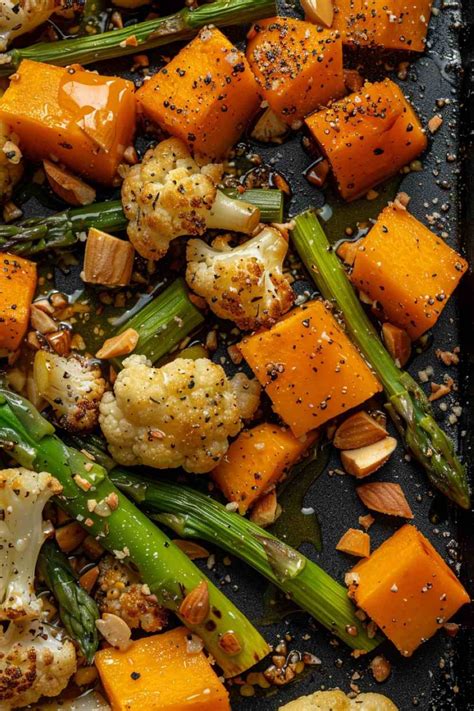
A dish with a beautiful sheen looks fresh, succulent, and appetizing. This often comes down to the finishing touches. For roasted vegetables or meats, a quick brush with a honey-soy glaze, a balsamic reduction, or even just a final drizzle of high-quality olive oil can impart a desirable luster. This also works wonders for fruit tarts, where a simple apricot glaze can make the fruit look incredibly vibrant and juicy.
Think about plating: a final spritz of citrus juice or a specific finishing oil (like a bright green pumpkin seed oil on a salad) can create appealing droplets and a reflective surface that catches the light beautifully in photographs. Even a simple pan sauce can be reduced to a glossy consistency to coat your protein with an inviting sheen.
Unexpected Forms and Shapes
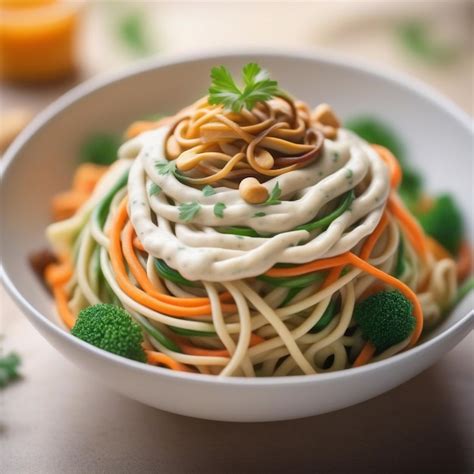
Monotony in shape can make a dish less appealing. Introducing different forms can make a common recipe stand out. Instead of dicing all vegetables, try spiralizing zucchini into ‘zoodles,’ shaving carrots into ribbons, or using a mandoline to create thin, uniform slices of cucumber or radish for elegant layering. Cookie cutters aren’t just for cookies; they can transform vegetables or even bread into playful shapes.
Consider how you cut fruits for a fruit salad. Instead of uniform chunks, mix spheres scooped with a melon baller, thin slices, and wedges. For a gourmet touch, meticulously cut herbs into a fine chiffonade rather than a rough chop. These small changes in form elevate the dish from rustic to refined.
Garnishes for that Extra Sparkle
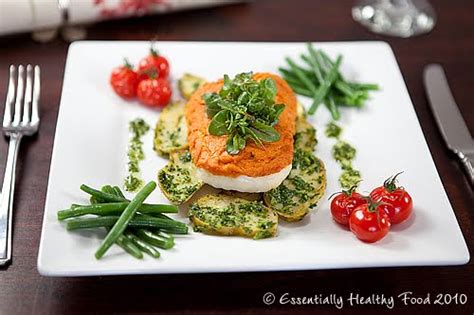
A thoughtful garnish is the culinary equivalent of jewelry. It’s the final touch that can pull a dish together visually. Instead of just a sprig of parsley, try microgreens for a delicate, elevated look. Edible flowers add an instant touch of elegance and color. A dusting of powdered sugar over a dessert, a grating of citrus zest over fish, or a few flakes of sea salt on a chocolate dish can provide that contrasting visual texture and sparkle.
Even a drizzle can be a garnish – a contrasting balsamic glaze on a caprese salad or a rich chocolate sauce artfully swirled on a dessert plate. The key is to choose garnishes that complement both the flavor and the visual aesthetic without overwhelming the main dish.
Conclusion: Experiment and Elevate
Elevating your recipes for dazzling visuals doesn’t require a culinary degree, but rather a keen eye and a willingness to experiment. By making simple ingredient swaps focused on color, texture, sheen, and form, you can transform everyday meals into Instagram-worthy masterpieces. So, next time you’re cooking, pause and consider how a small change might unlock a big visual impact. Your taste buds—and your camera—will thank you!