What ingredients maximize vibrant color & flavor in visual recipes?
The Art of Edible Aesthetics: Why Color & Flavor Matter
In the world of visual recipes, where every dish is a potential star on screens and social feeds, the synergy between vibrant color and exquisite flavor is paramount. It’s not just about taste; it’s about telling a story with every ingredient, captivating the viewer, and making them crave a bite. A visually stunning dish hints at a delightful culinary experience, while intense, natural flavors deliver on that promise. Understanding which ingredients to leverage can elevate your culinary creations from merely good to truly unforgettable.
Harnessing the Spectrum: Naturally Colorful Ingredients
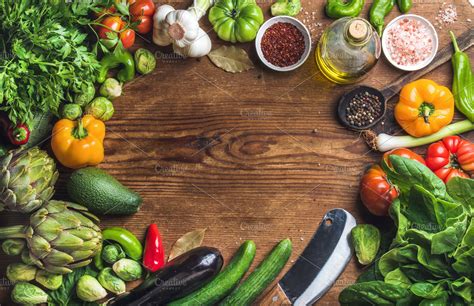
The foundation of any visually striking recipe lies in the ingredients themselves. Opting for fresh, seasonal produce is the simplest way to ensure maximum vibrancy. Nature offers a breathtaking palette that can transform an ordinary dish into an extraordinary one.
- Reds & Oranges: Think bell peppers, tomatoes, carrots, sweet potatoes, chili flakes, and berries like strawberries and raspberries. These not only provide a burst of color but often come packed with antioxidants and natural sweetness. Paprika, cayenne, and saffron are also powerful color and flavor enhancers.
- Greens: Leafy greens such as spinach, kale, parsley, cilantro, and mint add freshness and a crucial visual contrast. Broccoli, asparagus, and green beans retain their brilliant hue best when blanched or cooked quickly.
- Yellows: Turmeric, lemons, corn, and yellow bell peppers inject sunny brightness. Turmeric, in particular, offers a warm, earthy flavor alongside its incredible golden pigment.
- Purples & Blues: Red cabbage, blueberries, blackberries, and beets can create dramatic visual statements, often with earthy or tart flavor profiles.
Maintaining these colors during cooking is key. Quick sautéing, roasting, or blanching followed by an ice bath can preserve the intensity that long, slow cooking often diminishes.

Flavor Bombs That Pop on Camera
While color draws the eye, flavor keeps people coming back. Many ingredients that are flavor powerhouses also contribute significantly to visual appeal.
- Fresh Herbs: Beyond just garnish, herbs like dill, chives, basil, and mint provide distinct flavor notes and a delicate, fresh green pop. Scatter them generously just before serving.
- Citrus Zest & Juice: Lemons, limes, and oranges are culinary superheroes. Their zest offers aromatic oils and intense color flecks, while their juice provides a bright acidity that lifts and balances flavors, making other ingredients sing.
- Spices: Beyond turmeric, consider smoked paprika for a deep red hue and smoky flavor, chili powder for warmth, or saffron for its unmistakable golden glow and unique aroma. Whole spices like star anise or cinnamon sticks can also serve as beautiful, edible decorations.
- Aromatics: Garlic, onions, and ginger form the flavorful base of countless dishes and, when caramelized or sautéed, add visual depth and richness.
Cooking Techniques for Visual & Flavorful Mastery
How you prepare your ingredients can dramatically impact their final color and flavor.
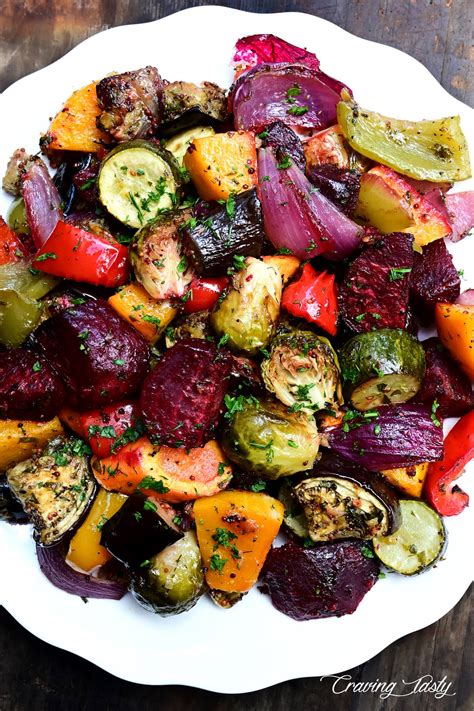
- Roasting & Grilling: High heat caramelizes natural sugars, deepening colors (think browned edges on roasted vegetables) and concentrating flavors for an intense, savory profile.
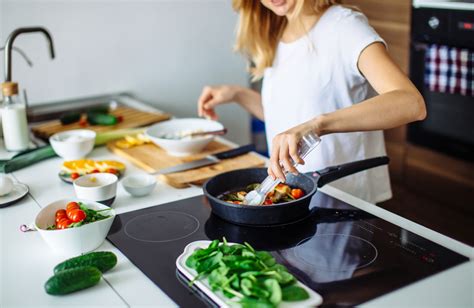
- Sautéing: Quick cooking in a hot pan maintains the crispness and vibrant color of vegetables, while developing a rich flavor through Maillard reaction.
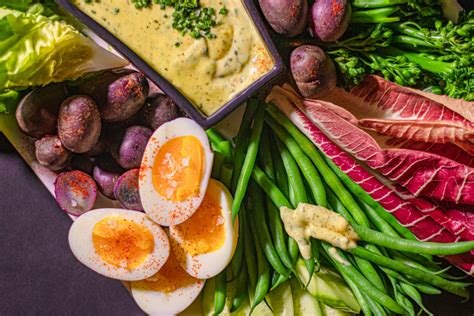
- Blanching: Especially for green vegetables, a quick dip in boiling water followed by an ice bath locks in chlorophyll, making them exceptionally bright green and tender-crisp.
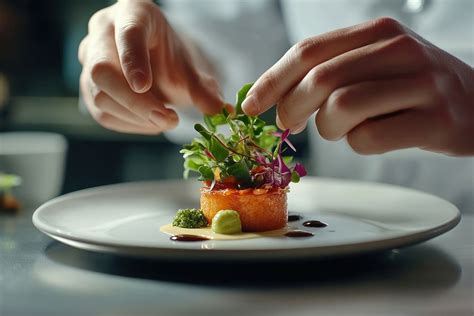
- Garnishing: The final touch is often the most visually impactful. Fresh herbs, a drizzle of high-quality olive oil, a sprinkle of toasted seeds (sesame, pumpkin), or edible flowers can elevate both presentation and subtle flavors.
The Power of Contrast and Plating
Maximizing vibrancy isn’t just about individual ingredients; it’s about how they interact on the plate. Strategic plating and the use of contrasting elements can make colors pop even more.
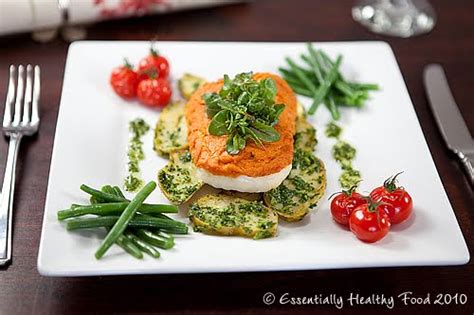
- Color Contrast: Pair complementary colors (e.g., red tomatoes with green basil) to create dynamic visuals.
- Texture Contrast: A creamy sauce benefits from a sprinkle of crunchy nuts or fresh herbs, adding visual interest and textural delight.
- Sauces & Drizzles: A bright vinaigrette, a dark balsamic glaze, or a colorful pesto can provide both a flavor burst and an artistic visual element.
- Clean Backgrounds: A simple, neutral plate allows the colors of the food to truly shine.
Conclusion: A Feast for All Senses
Crafting visual recipes is an art form that merges culinary skill with an understanding of aesthetics. By consciously selecting ingredients known for their natural brilliance and robust flavors, employing techniques that preserve and enhance these qualities, and paying attention to thoughtful presentation, you can create dishes that not only taste incredible but also mesmerize the eye. Ultimately, the most vibrant and flavorful recipes are those that engage all the senses, promising and delivering a truly delightful gastronomic journey.