What key plating techniques make my recipe dishes match stunning visuals?

Elevate Your Culinary Creations Beyond Taste
It’s often said that we eat with our eyes first, and in the world of cooking, this couldn’t be more true. While the aroma and flavor of a dish are paramount, the visual presentation transforms a simple meal into an unforgettable dining experience. Mastering a few key plating techniques can turn your everyday recipes into stunning works of art, captivating your diners before they even take the first bite.
Play with Color and Contrast for Visual Punch
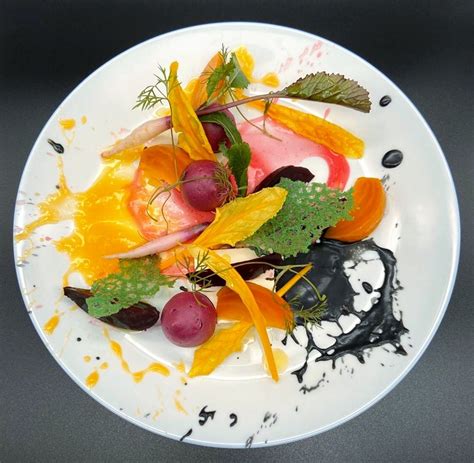
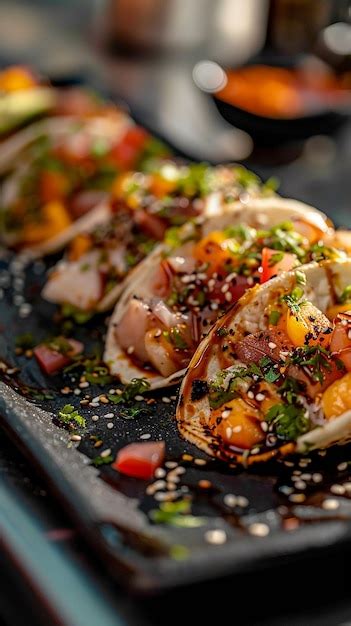
One of the most immediate ways to make a dish visually appealing is through the intelligent use of color. Think about the natural hues of your ingredients. A monochromatic dish can be elegant, but often, a splash of contrasting color can bring it to life. For instance, vibrant green herbs against a creamy white sauce, or bright red berries on a dark chocolate dessert. Aim for a palette that is both appealing and indicative of fresh, quality ingredients.
Consider the natural colors of your main components, then add elements that provide a striking contrast without overwhelming the dish. A sprinkle of chopped chives, a swirl of balsamic glaze, or a few colorful vegetable purees can make a world of difference.
Add Dimension with Texture and Height
Flat dishes rarely excite the eye. Introducing varying textures and building height adds dynamic interest to your plate. Think about the crunch of toasted nuts, the crispiness of a fried garnish, or the smoothness of a purée. Layering ingredients, stacking components (like a neatly arranged stack of vegetables or a small tower of risotto), or using molds can create impressive verticality. This doesn’t mean building a tower for every dish, but rather finding ways to give your food a sense of dimension and depth.
Master the Rule of Odds and Achieve Balance
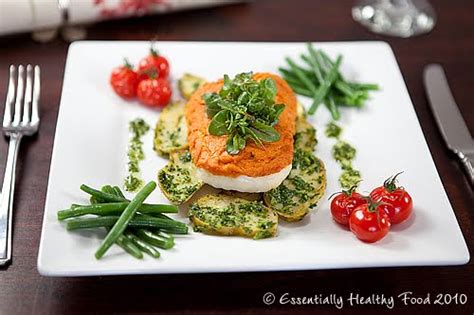
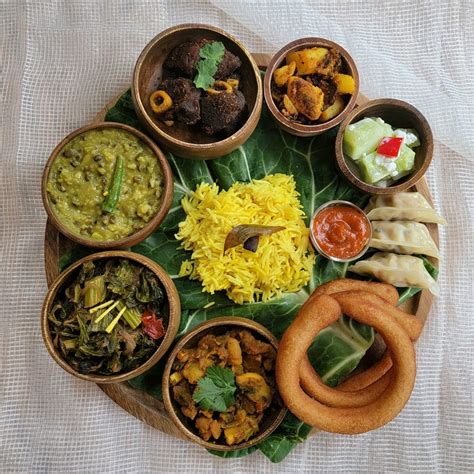
In design, the rule of odds suggests that an odd number of elements (like 3 or 5) is more visually appealing and memorable than an even number. Apply this to your plating by arranging elements in groups of three, such as three scallops, five asparagus spears, or three dollops of sauce. This creates a natural focal point and a sense of harmony. Additionally, ensure your plate feels balanced; don’t crowd one side while leaving the other empty. Distribute components thoughtfully, considering their visual weight and how they guide the eye across the plate.
Balance also extends to the plate itself. Ensure the food isn’t touching the rim, leaving a clean border that frames your creation. This white space is crucial for making the dish stand out.
Strategic Garnishing: The Final Flourish
Garnishes are not just pretty additions; they should enhance both the visual appeal and, ideally, the flavor profile of your dish. Choose garnishes that are fresh, relevant to the ingredients, and not overwhelming. A delicate sprig of fresh herbs, a vibrant edible flower, a dusting of spices, or a drizzle of a contrasting sauce can provide that perfect finishing touch. Less is often more; a single, well-placed garnish is far more effective than a cluttered plate.

The Canvas Matters: Choosing the Right Plate and Tools
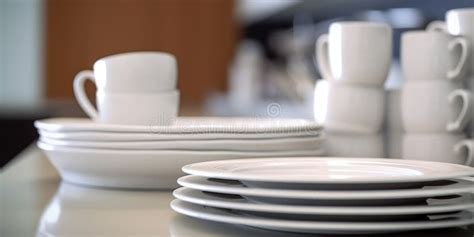
Your plate is the canvas for your culinary artwork. White plates are often preferred by chefs because they allow the colors of the food to pop without interference. However, don’t shy away from other neutral colors or even patterned plates if they complement your dish without competing with it. Consider the size and shape of the plate; larger plates give more room for artful arrangement and white space, while smaller, deeper bowls might be ideal for comfort foods.
Invest in a few plating tools like squeeze bottles for sauces, offset spatulas, and plating tweezers. These tools provide precision and allow for delicate placement, ensuring your presentation is as refined as possible.
Bringing It All Together for Stunning Results
Transforming your recipes into visual masterpieces is an exciting journey that combines creativity with technique. By thoughtfully considering color, texture, height, balance, and the finishing touch of a garnish, you can elevate any dish from ordinary to extraordinary. Practice these techniques with your favorite recipes, experiment with different arrangements, and soon you’ll be creating dishes that not only tantalize the taste buds but also feast the eyes. Remember, a beautifully plated dish is a testament to the care and passion you put into your cooking.