What key visual recipe details guarantee stunning, photo-worthy results?

The Art of Visual Culinary Presentation
In today’s visually-driven world, a recipe’s appeal extends far beyond its taste. Whether you’re sharing your culinary creations on social media, a personal blog, or simply aiming to impress dinner guests, the visual presentation of your dish plays a crucial role. Stunning, photo-worthy results aren’t just for professional chefs; they’re attainable for every home cook by focusing on a few key visual details.
Vibrant Colors and Contrasting Hues
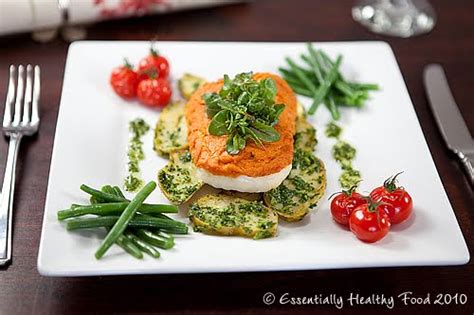
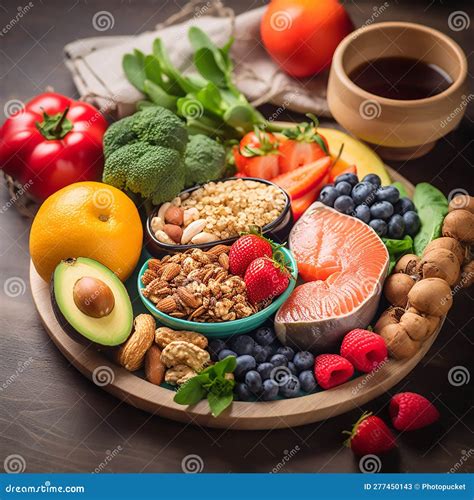
The first step to a photogenic dish is incorporating a spectrum of vibrant, natural colors. Think beyond a monochromatic plate. A bowl of pasta might be delicious, but adding a sprinkle of fresh green herbs, a dash of bright red cherry tomatoes, or a swirl of deep orange roasted red pepper sauce can elevate its visual impact tremendously. Aim for contrast; complementary colors on the plate naturally draw the eye and make the dish pop. Ingredients like fresh berries, colorful vegetables, and various sauces are your allies here.
Texture and Dimension
A flat, uniform dish rarely captures attention. Introduce a variety of textures to add depth and interest. Imagine a creamy soup paired with crunchy croutons, or a soft piece of fish served alongside crisp asparagus and flaky sea salt. Layers, peaks, and varying heights create a three-dimensional effect that looks far more appealing in photos. Consider how ingredients can be arranged to create natural shadows and highlights, enhancing their form and structure.
Thoughtful Plating and Composition
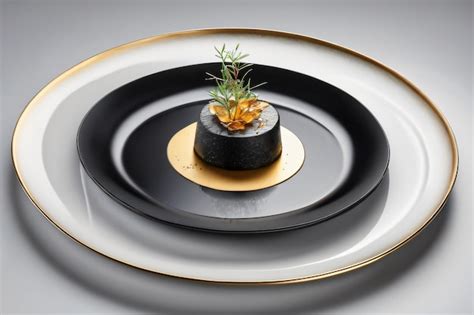
Plating is where the artistry truly comes alive. Think of your plate as a canvas. Start with a clean plate that complements your food, rather than distracting from it. Consider the ‘rule of thirds’ or placing your main subject slightly off-center for a more dynamic composition. Don’t overcrowd the plate; negative space can be just as powerful, allowing each element to breathe and be appreciated. A focal point – perhaps the most appealing piece of protein or a beautiful garnish – should be clear, guiding the viewer’s eye.
The Power of Garnish and Finishing Touches
Garnish is not an afterthought; it’s the jewelry of your dish. Fresh herbs like parsley, cilantro, or mint, a sprinkle of toasted nuts or seeds, a drizzle of high-quality olive oil or a balsamic glaze, a dusting of powdered sugar or cocoa, or even a citrus zest can add a professional finish. These small details can introduce contrasting colors, textures, and even a sheen that catches the light beautifully. Ensure garnishes are fresh and thoughtfully placed, enhancing the dish without overwhelming it.
Optimal Lighting and Angle Selection
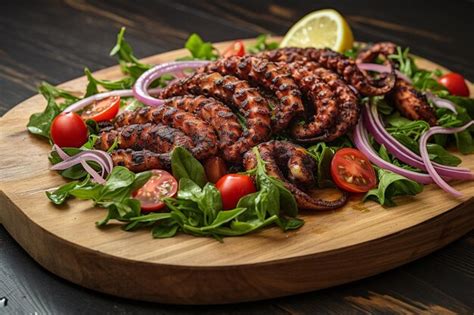
Even the most perfectly prepared dish can fall flat without good lighting. Natural, diffused light is almost always your best friend. Avoid harsh overhead lights that create unflattering shadows. Position your dish near a window, using a sheer curtain to soften direct sunlight if necessary. Experiment with different angles – overhead shots are great for showing off patterns and intricate arrangements, while a slight angle can highlight height and texture. A clean background, free of clutter, helps keep the focus on your stunning creation.
Freshness and Authenticity
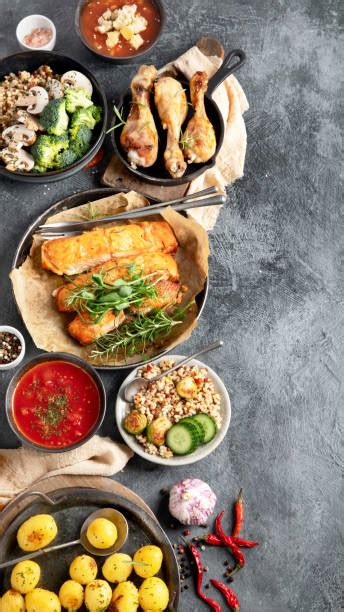
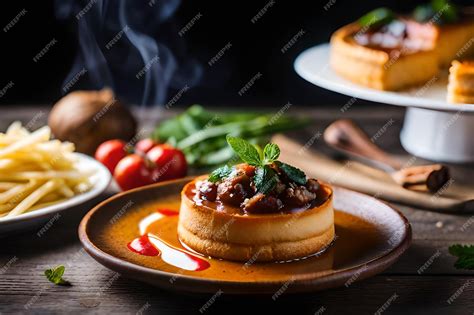
Ultimately, the most stunning dishes start with fresh, high-quality ingredients. Their natural vibrancy and integrity shine through. When photographing, capturing a sense of authenticity can make a huge difference – a little steam rising from a hot dish, melted cheese, or glistening sauce tells a story. These ephemeral details convey warmth, deliciousness, and freshness, inviting viewers to imagine the experience of tasting the dish themselves.
Conclusion
Crafting a visually appealing dish is an enjoyable extension of the cooking process. By paying attention to color, texture, plating, thoughtful garnishes, and good lighting, you can transform your everyday meals into photographic masterpieces. These key visual details not only make your food look incredible but also enhance the overall dining experience, proving that we truly do eat with our eyes first.