What kitchen habits keep your real food visually vibrant & waste-free?
In a world increasingly conscious of sustainability and healthy eating, maintaining the visual appeal and freshness of our real food, while simultaneously minimizing waste, has become a culinary aspiration. It’s not just about cooking; it’s about nurturing our ingredients from market to plate. Adopting a few simple yet powerful kitchen habits can transform your relationship with food, ensuring every carrot remains crisp, every berry bright, and every scrap finds a purpose.
Smart Shopping & Storage Foundations
The journey to a vibrant, waste-free kitchen begins even before you step foot in it. Conscious shopping is paramount; create a meal plan for the week and stick to a grocery list. This proactive approach minimizes impulse buys of perishable items that might languish untouched. When you bring your bounty home, proper storage is the next critical step. Different foods have different needs: herbs thrive with their stems in water like a bouquet, leafy greens benefit from a damp paper towel wrap in an airtight container, and root vegetables prefer cool, dark, and dry environments.
Understanding your refrigerator’s zones can also make a significant difference. The coldest shelves are ideal for meats and dairy, while crisper drawers are designed to manage humidity for fruits and vegetables, extending their life and keeping them visually appealing. A small effort in proper storage can yield days, or even weeks, of extended freshness.
Master the Art of Preservation & Planning
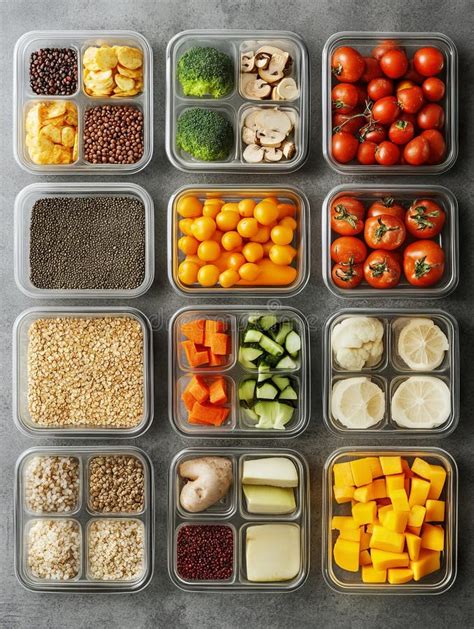
Meal prepping isn’t just for fitness enthusiasts; it’s a powerful tool against food waste. By dedicating time to wash, chop, and portion ingredients at the beginning of the week, you not only make healthy eating more accessible but also ensure that produce gets used before it has a chance to spoil. Having prepped ingredients on hand encourages you to cook more frequently and creatively.
Another golden rule is “first-in, first-out” (FIFO). Place older items at the front of your fridge and pantry, and newer purchases at the back. This simple organizational trick ensures you consume items before they expire. Designate a “use it up” shelf or drawer for ingredients nearing their prime, prompting you to incorporate them into your next meal.

Creative Solutions for Every Last Bit
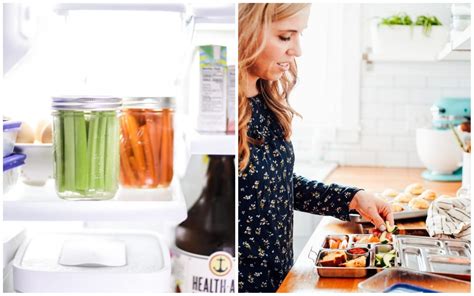
Even with the best intentions, some produce might begin to look a little tired. Don’t discard it immediately! Many items can be revitalized. Wilting lettuce or herbs can often regain their crispness by soaking them in a bowl of ice water for 15-30 minutes. Slightly soft carrots or celery can be peeled and added to a glass of water in the fridge to crisp up again, making them perfect for snacking or cooking.
Beyond revitalization, embracing “root-to-stem” or “nose-to-tail” cooking significantly reduces waste. Vegetable scraps – peels, stems, onion skins – are perfect for making flavorful homemade broths or stocks. Leftover herbs can be blended into a pesto, fruit that’s a bit too ripe can be frozen for smoothies, and stale bread can become croutons or breadcrumbs. Every part of your food has potential value.

Kitchen Organization for Longevity
An organized kitchen is an efficient kitchen, and an efficient kitchen is a waste-free kitchen. Regularly auditing your fridge and pantry helps you stay aware of what you have, preventing duplicate purchases and forgotten items. Clear, stackable containers allow you to see contents at a glance, making it easier to plan meals and identify produce that needs to be used soon. Labeling containers with dates also ensures you’re always using the freshest ingredients first.

The Mindset of a Mindful Cook
Ultimately, keeping your real food vibrant and waste-free is a mindset. It involves embracing flexibility in your cooking, learning basic preservation techniques like freezing, canning, or fermenting, and viewing every ingredient as a valuable resource. It’s about being observant of your food’s condition and adapting your culinary plans accordingly, rather than rigidly sticking to a recipe.
By integrating these habits into your daily routine, you’ll not only enjoy food that looks and tastes better but also contribute to a more sustainable lifestyle. Your kitchen will become a place of mindful creation, where freshness thrives, and waste is a rare occurrence, benefiting your wallet, your health, and the planet.

Embracing these kitchen habits transforms how you interact with food, fostering a cycle of vibrancy and minimal waste. From strategic shopping to creative scrap utilization, each step contributes to a more sustainable and visually appealing culinary experience, enriching both your meals and your impact on the environment.