What lens/lighting makes food Visual Bites pop for real foodies?
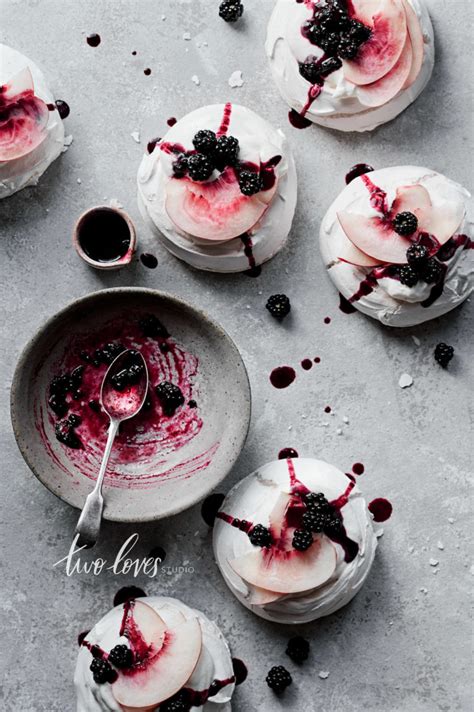
For true foodies, a dish isn’t just about taste; it’s an experience that starts with the eyes. Transforming culinary creations into ‘visual bites’ that genuinely pop on screen requires a strategic approach to both camera lenses and lighting. This article dives into the essential gear and techniques that elevate food photography from mere documentation to delectable art.
The Power of Lenses for Food Photography
Choosing the right lens is foundational to capturing the intricate details and appetizing textures that make food irresistible. Each lens type offers unique advantages, shaping how a dish is perceived.
Macro Lenses: Unveiling Hidden Delights
For close-up shots that highlight specific ingredients or textures, a dedicated macro lens (typically 100mm or 105mm) is indispensable. These lenses allow you to focus incredibly close, revealing nuances like the glistening condensation on a cold drink or the delicate crust of a freshly baked pie. The resulting images are often highly detailed and create a sense of intimacy with the food, drawing the viewer in.
Prime Lenses: Sharpness and Creamy Bokeh
Prime lenses, such as the 50mm f/1.8 (often called the ‘nifty fifty’) or an 85mm f/1.8, are beloved for their superior sharpness and ability to create beautiful, creamy bokeh (blurred backgrounds). The wide apertures (low f-numbers) allow for excellent low-light performance and shallow depth of field, making your hero dish stand out crisply against a soft, dreamy backdrop. This selective focus is crucial for guiding the viewer’s eye and making your food truly pop.
Zoom Lenses: Versatility and Flexibility
While primes offer unparalleled quality, a good zoom lens (e.g., 24-70mm f/2.8 or 70-200mm f/2.8) provides versatility. They are excellent for capturing a variety of shots without constantly changing lenses, from wider table spreads to tighter compositions. While they may not offer the same razor-sharpness or wide aperture as primes, modern zoom lenses are highly capable and great for dynamic shooting environments.
Mastering Lighting: The Key to Visual Bites
No matter how good your lens is, poor lighting will flatten even the most exquisite dish. Lighting is the sculptor of food photography, defining mood, texture, and appeal.
Harnessing Natural Light
Natural light is often the most flattering and easiest to work with. Position your food near a window, ensuring the light is soft and diffused. Direct sunlight is usually too harsh, creating unflattering shadows and blown-out highlights. Use a sheer curtain or a diffuser to soften the light, making it even and gentle. Backlighting or side lighting with natural light can create beautiful rim lights and highlight textures, making food look fresh and vibrant.
Artificial Lighting Setups
When natural light isn’t available or consistent, artificial light sources like strobes (flash units) or LED panels are essential. The key is to mimic the quality of natural light – soft and diffused. A large softbox or umbrella attached to your light source will spread the light evenly and reduce harsh shadows. Experiment with light placement: backlighting creates drama and highlights steam or translucency, while side lighting enhances texture and depth. Avoid direct front lighting, which can flatten the food.
Light Modifiers and Reflectors
Beyond the primary light source, modifiers are crucial. Reflectors (white foam core, silver, or gold) can bounce light back into shadow areas, brightening them naturally. Flags (black foam core) can block light to create deeper shadows or direct the light more precisely. Understanding how to shape light using these simple tools will dramatically improve your food photos.
Composition and Styling: Beyond Lens & Light
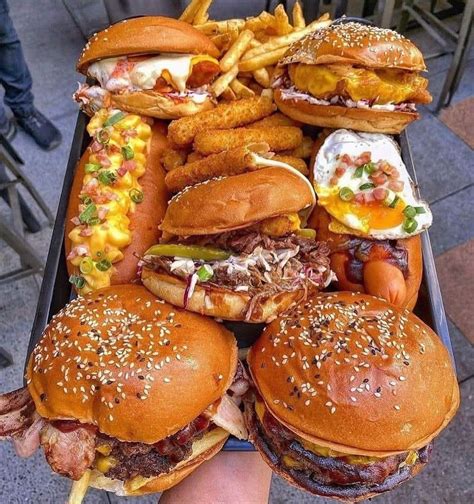
While lenses and lighting are technical foundations, composition and styling are the artistic flourishes that truly make food pop. Think about the angle – an overhead ‘flat lay’ works well for showing many elements, while a 45-degree angle mimics how we see food at a table, and a straight-on shot emphasizes details. Props like cutlery, napkins, or ingredients can add context and tell a story, but they should never distract from the food itself.
Bringing It All Together for Real Foodies
Ultimately, making food visual bites pop for real foodies is about storytelling. It’s about showcasing not just a meal, but an experience, an emotion, a craving. The right lens captures the intricate details, the perfect lighting sculpts its form and texture, and thoughtful styling completes the narrative. Practice, experiment, and constantly seek inspiration to refine your craft.
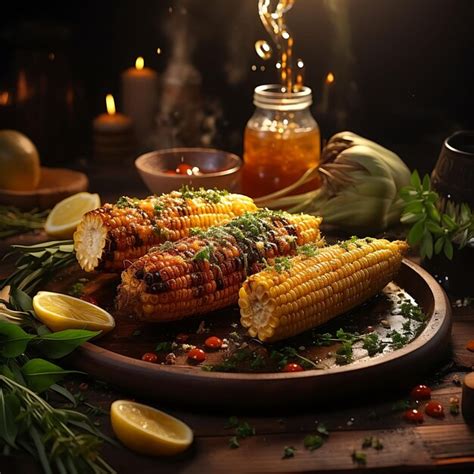
With a deeper understanding of these fundamental principles, you’ll be well-equipped to transform everyday dishes into extraordinary visual feasts that delight the eyes and ignite the appetites of true food connoisseurs.