What lighting makes Visual Bites irresistible for Real Foodies?
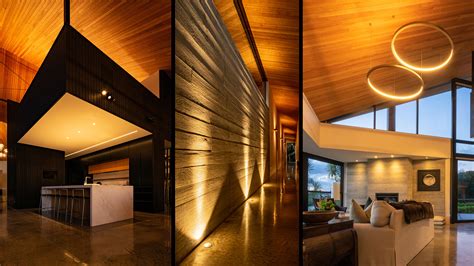
For ‘Real Foodies,’ the journey of appreciation begins long before the first bite – it starts with the eyes. In the digital age, a well-crafted ‘Visual Bite’ can be as crucial as the dish itself, and the secret ingredient to making food look utterly irresistible often boils down to one critical element: lighting. The right illumination can highlight textures, enhance colors, and convey the freshness and authenticity that real foodies crave, turning a simple snapshot into a feast for the eyes.
Harnessing the Power of Natural Light
Natural light is arguably the most beloved tool for food photographers, offering a soft, diffused glow that beautifully flatters real food. Think about a sunny window on a cloudy day, or the golden hour just before sunset. These conditions provide an even, gentle light that minimizes harsh shadows and brings out the food’s natural beauty, making it look vibrant and fresh. Side lighting or backlighting from a window can create depth and dimension, emphasizing the food’s form and texture, and making it pop off the screen.
To make the most of natural light, position your food near a large window, but out of direct sunlight. Overcast days are often ideal as clouds act as a giant diffuser. If the light is too strong, you can soften it further with a sheer curtain or a white sheet. White foam boards or reflectors can be used on the opposite side to bounce light back onto the food, filling in shadows and adding a lovely sparkle.

Mastering Artificial Light for Consistent Visual Bites
While natural light is fantastic, it’s not always available or consistent. This is where artificial lighting comes into play, offering control and reliability. Softboxes, LED panels, and even professional strobes can mimic the quality of natural light when used correctly. The key is to diffuse the light source significantly to avoid harsh glares and shadows that can make real food look unappetizing.
When using artificial light, aim for a large, soft light source positioned to the side or slightly behind your food. A good quality diffuser, such as a softbox or an umbrella, is non-negotiable. You want to create a broad, even light that wraps around the food, highlighting its delicious details without creating distracting hotspots. Experiment with different angles and distances to find the sweet spot that makes your ingredients sing.

The Importance of Direction and Softness
Regardless of whether you choose natural or artificial light, the direction and softness of your light source are paramount for irresistible Visual Bites. Side lighting creates appealing shadows that add depth and texture, making a crispy crust look crunchier or a creamy sauce appear smoother. Backlighting can create a beautiful rim light around your food, making it glow and stand out from the background, especially effective for translucent items like berries or drinks.
Soft light is always preferable. Harsh, direct light flattens food, creating unappealing hot spots and deep, dark shadows that obscure detail. Diffused light, on the other hand, gently illuminates every curve and texture, revealing the intricate details that attest to the food’s quality and realness. Think of how a perfectly baked loaf of bread looks under soft light versus a direct flash – the subtle nuances of its crust are brought to life.
Emphasizing ‘Realness’ Through Color Temperature and Vibrancy
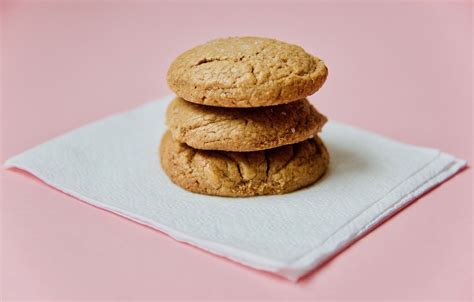
Real foodies appreciate authenticity, and lighting plays a crucial role in conveying this. The color temperature of your light source can dramatically impact how vibrant and true-to-life your food appears. A slightly warmer light can enhance the inviting glow of baked goods or roasted dishes, while a neutral white light often best showcases the fresh, crisp qualities of salads and raw ingredients. Avoid overly cool or warm light that distorts natural colors, making food look artificial or unappetizing.
Ultimately, the goal is to make the food look as appetizing on screen as it would be on the plate. Proper lighting enhances the natural colors of ingredients, makes sauces gleam, and highlights the delightful imperfections that signify homemade quality. It’s about bringing out the inherent beauty of unprocessed, wholesome food.

Practical Tips for Creating Mouth-Watering Visual Bites
Starting with simple setups can yield incredible results. A large window, a white foam board, and perhaps a simple tripod are often all you need for stunning food photos. Pay attention to your background; keep it uncluttered and complementary to your food. Use props sparingly and purposefully to enhance the narrative without distracting from the main subject.
Always review your photos on a larger screen to check for harsh shadows, glare, or color casts. Experimentation is key – try different light angles, diffusion methods, and reflectors. With practice, you’ll develop an intuitive understanding of how light interacts with food, enabling you to consistently create Visual Bites that are truly irresistible to Real Foodies.
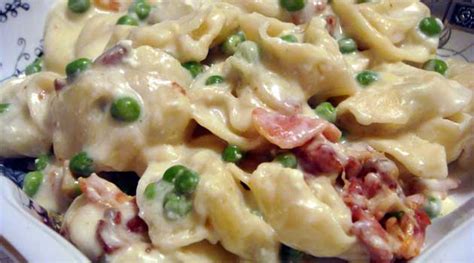
Mastering lighting is the ultimate skill for transforming your culinary creations into captivating Visual Bites. By understanding and manipulating light – whether natural or artificial, soft or directional – you can reveal the authentic beauty, textures, and vibrant colors of real food, making every image a tantalizing invitation for Real Foodies to indulge.