What one specific photography trick makes your ‘Visual Bites’ truly mouth-watering for real foodies?
The quest for truly captivating food photography isn’t just about good lighting or careful plating; it’s about invoking a visceral response in the viewer. For real foodies, a visual bite needs to translate into an almost tangible craving. While many elements contribute, there’s one specific trick that stands above the rest in transforming a nice food photo into a drool-worthy masterpiece: mastering shallow depth of field.
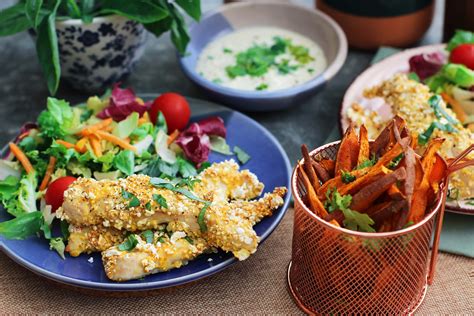
The Power of Focus: Isolating the Star Dish
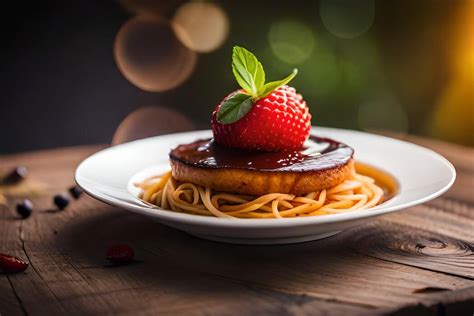
Shallow depth of field, often achieved by using a wide aperture (low f-number like f/1.8 or f/2.8), is the technique of keeping your subject critically sharp while blurring the foreground and background into a pleasing bokeh. This isn’t just an aesthetic choice; it’s a psychological one. When a foodie sees a perfectly rendered main ingredient or a glistening sauce, isolated from distractions, their brain immediately hones in on that delicious detail. It creates an intimate connection, drawing them into the frame as if they are right there, about to take a bite. It mimics the way our eyes naturally focus on something delicious while the surroundings softly fade.
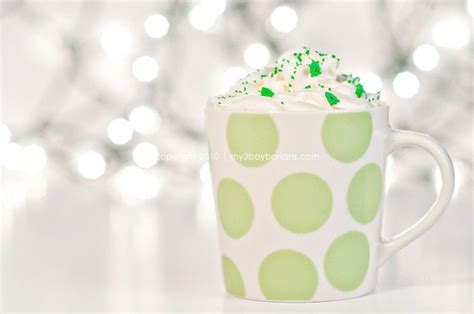
Why Foodies Can’t Resist a Shallow Focus Shot
For a discerning palate, every detail matters. Shallow depth of field guides the viewer’s eye precisely to what the photographer (and the chef) wants them to notice – the crispiness of a crust, the delicate texture of a mousse, or the vibrant colors of fresh herbs. It creates a sense of artistry and intentionality, suggesting that the food itself is a work of art deserving of this focused attention. The soft, dreamy background enhances the main subject without competing, making the food pop with an almost three-dimensional quality that makes it feel tangible and irresistible.
How to Nail This Technique
Achieving a beautiful shallow depth of field is more accessible than you might think, even with entry-level DSLR or mirrorless cameras:
- Aperture Priority Mode (Av/A): Set your camera to this mode and select the lowest f-number your lens allows (e.g., f/1.8, f/2.8, f/4). The lower the number, the shallower the depth of field.
- Lens Choice: Prime lenses (fixed focal length lenses like 50mm f/1.8 or 85mm f/1.4) are excellent for this as they typically have very wide maximum apertures. Even a kit lens can achieve decent results at its widest aperture.
- Get Close: The closer you are to your subject, the shallower the depth of field will appear. Be mindful of distortion with very wide-angle lenses if you get too close.
- Distance to Background: Ensure there’s a good distance between your food subject and its background. The further away the background, the softer the blur.
- Focus Precisely: Use single-point autofocus and ensure your focus is absolutely spot-on the most crucial part of your dish – whether it’s the peak of a meringue, the edge of a perfectly seared steak, or a glistening droplet.

Beyond the Blur: Complementing the Star
While shallow depth of field is the secret weapon, remember it works best when supported by other good practices. Excellent natural lighting, thoughtful food styling, and appealing props all contribute to the overall allure. However, it’s the intentional isolation and exquisite rendering of the food’s texture and detail through precise focus and a blurred background that truly elevates a “visual bite” from merely good to undeniably mouth-watering for anyone who truly appreciates food.