
What plating & garnish tips make recipes visually stunning for any foodie’s feed?
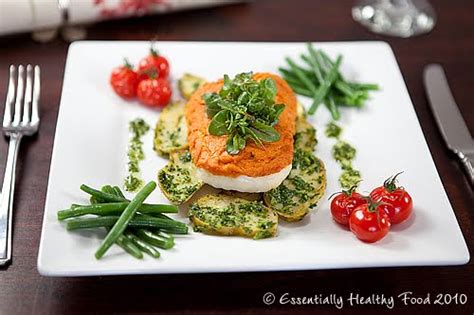
The Art of the Plate: Turning Dishes into Visual Masterpieces
In today’s visually-driven world, a recipe’s appeal extends far beyond its taste. For foodies and home cooks alike, the presentation of a dish on a social media feed is almost as important as the flavor itself. Mastering the art of plating and garnishing can transform a simple meal into a stunning culinary creation, making it irresistibly shareable. But what are the secrets to achieving that ‘wow’ factor?
Choosing Your Canvas: The Perfect Plate
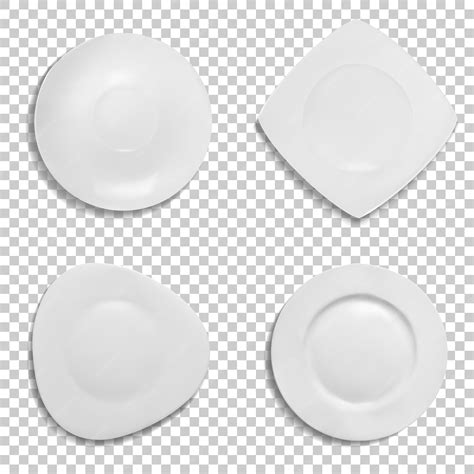
Your plate is the canvas upon which your edible artwork will unfold. The choice of plate can significantly impact how your food is perceived. Consider the size, shape, and color of your dinnerware. Smaller plates can make portions appear more substantial, while larger plates offer more room for creative arrangements. White or neutral-colored plates are often preferred as they allow the vibrant colors of the food to pop, preventing visual distractions. Experiment with square, oval, or irregular shapes to add a modern touch.
Composition and Balance: The Rule of Thirds and Odd Numbers
Just like in photography, the ‘rule of thirds’ is a powerful tool in food plating. Imagine dividing your plate into nine equal sections with two horizontal and two vertical lines. Place your main components at the intersections or along these lines to create a more dynamic and engaging composition. Avoid placing everything directly in the center.
Another trick is to use odd numbers. Arranging elements in groups of three, five, or seven often feels more natural and visually appealing than even numbers. This applies to individual components, like scallops or asparagus spears, as well as to smaller garnishes.
Color, Contrast, and Texture: A Feast for the Eyes
A visually stunning dish boasts a harmonious blend of colors, contrasts, and textures. Think about adding a variety of colors to your plate using fresh vegetables, vibrant sauces, or colorful spices. Complementary colors, such as orange carrots against green herbs, create striking visual interest. Contrast isn’t just about color; it’s also about light and dark, smooth and rough. A creamy puree next to a crisp piece of fried chicken offers both textural and visual contrast.
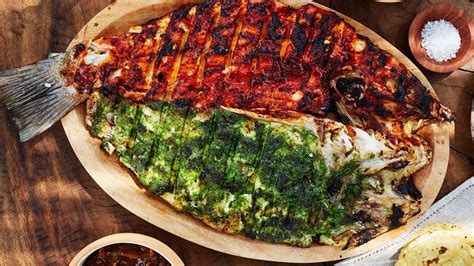
Texture adds depth and excitement. Incorporate elements that provide crunch (toasted nuts, croutons, crisp vegetables), creaminess (purees, sauces), and tenderness (perfectly cooked proteins). Layering these textures not only enhances the eating experience but also makes the dish look more sophisticated.
The Art of Garnish: More Than Just an Afterthought
Garnish is not just an aesthetic addition; it should complement and enhance the dish’s flavors. Choose garnishes that are fresh, edible, and relevant to your recipe. A sprig of fresh rosemary for lamb, a lemon twist for seafood, or a scattering of toasted sesame seeds for an Asian-inspired dish are perfect examples.
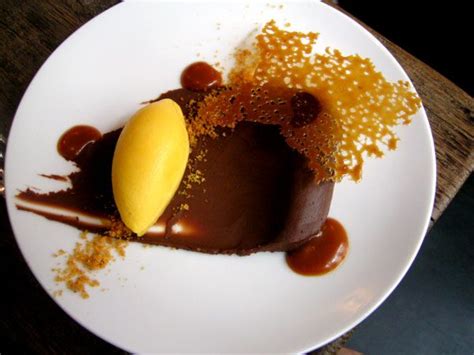
Edible flowers, microgreens, and herb sprigs add a delicate touch and a burst of color. Drizzles of sauces, oils, or balsamic glazes can create beautiful patterns on the plate and tie the elements together. Remember, less is often more; a few strategically placed garnishes are more impactful than an overflowing plate.
Creating Height and Dimension
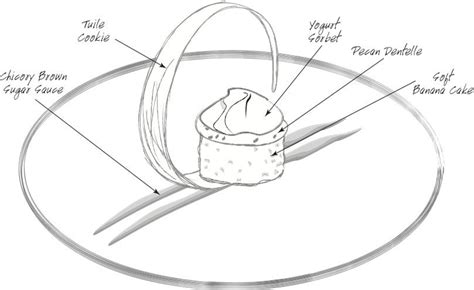
Flat plates can be boring. Introducing height and dimension makes a dish more visually interesting and professional. Stack components (like pancakes or polenta), lean ingredients against each other, or use a mold to shape a side dish. A perfectly seared piece of fish can be elevated on a bed of vegetables, or a dollop of sauce can provide a base for a main ingredient. Think vertically as well as horizontally.
The Final Polish: Cleanliness and Presentation
Before any photo is taken, ensure your plate is immaculately clean. Wipe away any smudges, drips, or stray crumbs from the rim of the plate. A clean border frames your food beautifully. Consider the backdrop for your photo — a simple, uncluttered background allows your food to be the star. Natural lighting is almost always best for food photography, enhancing colors and textures without harsh shadows.
Conclusion: Practice Makes Perfect
Transforming your recipes into visually stunning masterpieces for social media feeds is an enjoyable and rewarding skill. By paying attention to plate choice, composition, color, texture, height, and thoughtful garnishing, you can elevate your culinary creations from delicious meals to works of art. Don’t be afraid to experiment, observe how professional chefs plate their dishes, and most importantly, have fun with the process. Your followers (and your taste buds) will thank you!