What plating hack for Visual Bites grabs foodie attention fast?
The Art of Visual Culinary Presentation
In today’s visually-driven world, especially within the foodie community, a dish’s appearance is almost as crucial as its taste. Long before a single bite is taken, the eyes devour the presentation, setting expectations and creating desire. For anyone looking to make their culinary creations truly stand out on social media or in a dining setting, mastering a simple yet impactful plating hack can be a game-changer.
Forget overly complex arrangements that take hours; the secret lies in a concept that is both elegant and inherently eye-catching, leveraging natural human perception.
The Golden Rule: Asymmetrical Plating and the Rule of Thirds
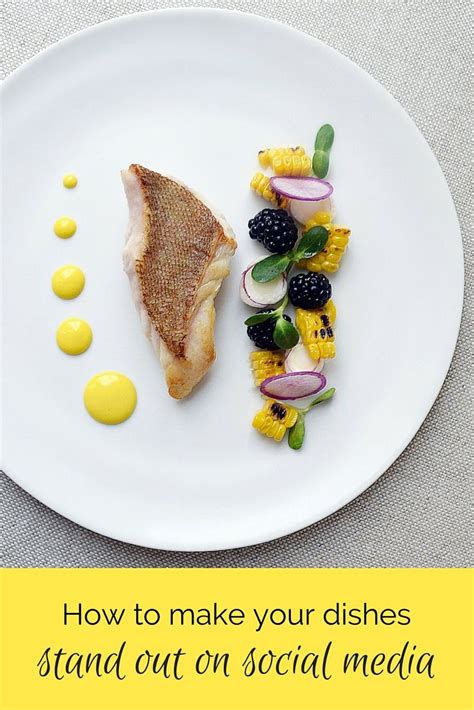
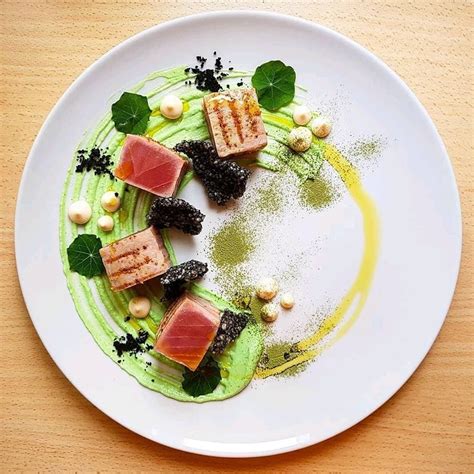
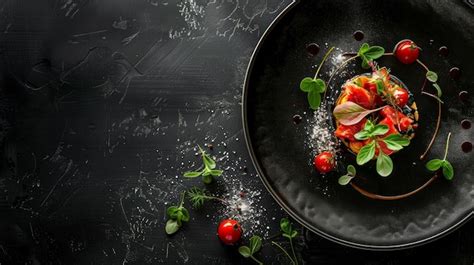
The single most effective plating hack to grab immediate foodie attention is the strategic use of **asymmetrical plating combined with the photographic “Rule of Thirds.”** Instead of centering everything or creating perfect symmetry, which can often feel static and expected, asymmetrical arrangements introduce dynamic tension and visual interest.
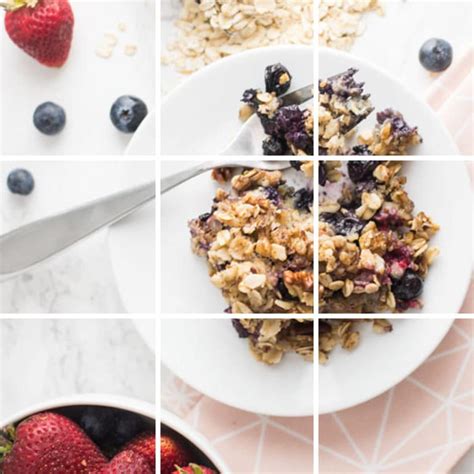
The Rule of Thirds suggests dividing your plate (or frame) into nine equal sections using two horizontal and two vertical lines. The key is to place your primary focal points at the intersections of these lines, rather than directly in the center. This creates a more balanced, engaging, and professional-looking composition that naturally draws the eye across the plate.
Why This Hack Works Wonders
This approach isn’t just arbitrary; it’s rooted in design principles and human psychology. Asymmetrical balance feels more natural and organic, less forced. When combined with the Rule of Thirds, it guides the viewer’s gaze, creating a journey across the plate rather than a static stare at the center. This makes the dish appear more sophisticated, thoughtful, and, ultimately, more appetizing and “share-worthy.”
It also allows for negative space – the empty areas on the plate – to become a crucial element of the design, giving the main components room to breathe and stand out without clutter.
How to Implement This Plating Hack
1. Choose Your Canvas Wisely
Start with a clean, unblemished plate, preferably one with a contrasting color to your food. White, black, or slate grey plates often work best as they provide a neutral background that makes vibrant ingredients pop. Consider the shape – round or square – and how it will interact with your asymmetrical design.
2. Establish Your Focal Point
Identify the hero of your dish – the protein, the main vegetable, or the most visually striking component. Place this focal point off-center, ideally at one of the intersection points of the imaginary Rule of Thirds grid.
3. Build with Purpose and Height
Add accompanying elements around your focal point, always keeping asymmetry in mind. Use varying heights and textures to add dimension. Think about stacking, leaning, or layering ingredients to create visual peaks and valleys. A sauce swoop or a smear can also serve as a foundational element to anchor components.
4. Embrace Contrasts in Color and Texture
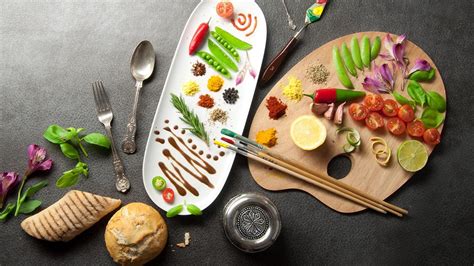
Variety is key. Use ingredients with contrasting colors (e.g., bright green herbs against a rich brown sauce) and textures (e.g., crunchy nuts atop creamy purée). These contrasts add visual excitement and make the plate more dynamic.
5. The Finishing Touches: Garnish with Intention
Garnishes aren’t just for show; they should enhance flavor and add final visual finesse. Place them deliberately, using tweezers if necessary, to highlight aspects of the dish or add a final touch of color and freshness. Think small, delicate herbs, edible flowers, or a sprinkle of a vibrant spice.
Common Pitfalls to Avoid
- **Overcrowding the Plate:** Less is often more. Give your components space.
- **Too Many Colors/Textures:** While contrast is good, too much can lead to visual chaos. Stick to a harmonious palette.
- **Ignoring Edibility:** Every element on the plate, including garnishes, should be edible and complement the dish’s flavor.
- **Lack of Flow:** Ensure your components seem connected and lead the eye naturally, even in an asymmetrical design.
Conclusion: Plate with Purpose and Confidence
The asymmetrical plating technique, guided by the Rule of Thirds, is a powerful tool for anyone looking to instantly elevate their “Visual Bites.” It’s not about complicated artistry but about understanding how the eye perceives balance and beauty. By practicing this hack, you’ll transform your dishes from merely delicious to visually stunning, ensuring they grab the fast-paced attention of any food lover or social media scroller. Experiment, have fun, and let your culinary canvas tell a captivating story.