What plating hacks instantly elevate home-cooked dishes for stunning visual feeds?
The Secret Ingredient: Visual Appeal
In the age of social media, the visual appeal of food is almost as important as its taste. A beautifully plated dish can elevate a simple home-cooked meal to a gourmet experience, making it not just delicious to eat but also stunning to behold. You don’t need to be a professional chef to master the art of food plating; with a few clever hacks, you can instantly transform your dishes for those enviable visual feeds. Let’s dive into the techniques that will make your culinary creations shine.
Choosing the Right Canvas: Your Plate
Before you even think about arranging food, consider your plate. The plate is your canvas, and its size, shape, and color significantly impact the final presentation. Opt for plates that are relatively plain and neutral in color (white or off-white are classics) to let the food stand out. Use plates that are larger than you think you need; this allows for negative space, which is crucial for a clean, professional look. Avoid overcrowding the plate at all costs.

Color and Contrast: A Feast for the Eyes
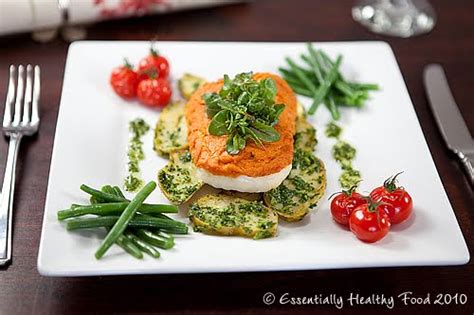
Color is arguably the most impactful element in food presentation. Aim for a vibrant palette on your plate by incorporating ingredients of different hues. Think beyond the main components; a sprinkle of fresh herbs, a swirl of brightly colored sauce, or a scattering of edible flowers can add instant vibrancy. Contrasting colors (e.g., red tomatoes against green basil, yellow corn next to dark beans) create visual interest and make the dish pop.
Texture and Height: Adding Dimension
Flat food is boring food. Creating height and varying textures adds dimension and makes your dish more engaging. Stack components strategically, lean items against each other, or use ring molds to build layers. Think about contrasting textures: creamy with crunchy, soft with crisp. For example, a delicate fish fillet could be served alongside a crispy vegetable slaw and a smooth purée, offering both visual and textural complexity.
The Art of Garnishing: Finishing Touches
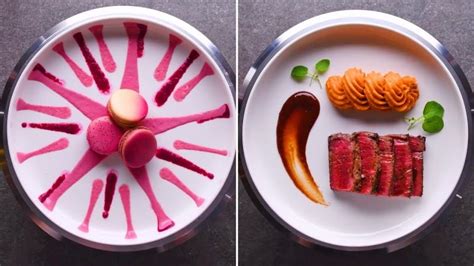
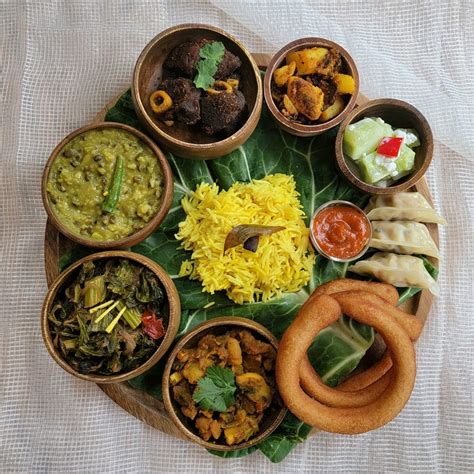
Garnishes aren’t just for decoration; they add flavor, aroma, and a final touch of professionalism. A simple sprig of fresh parsley, cilantro, or rosemary can do wonders. Drizzles of olive oil, balsamic glaze, or a creamy sauce can create elegant patterns. Toasted nuts, seeds, or crispy fried onions can add a textural crunch. Remember, less is often more with garnishes; choose one or two complementary elements that enhance the dish without overwhelming it.
Strategic Placement: Rule of Thirds and Negative Space
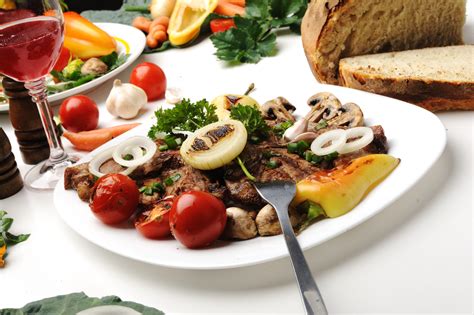
Just like in photography, the rule of thirds can be applied to food plating. Imagine your plate divided into a 3×3 grid and place your main components at the intersections or along the lines. This creates a more dynamic and balanced composition than simply plopping everything in the center. Embrace negative space – the empty areas on the plate. It gives the food room to breathe and makes the presentation look intentional and sophisticated, rather than cluttered.
Cleanliness is Key: Wipe Those Edges!
Even the most perfectly arranged food can be ruined by smudges or drips on the rim of the plate. Before serving, always give the edges of your plate a quick wipe with a clean, damp cloth or paper towel. This small but crucial step instantly elevates your presentation, demonstrating attention to detail and a professional finish.
With these simple plating hacks, you can transform your home-cooked dishes from ordinary to extraordinary. Experiment with different arrangements, colors, and textures, and soon you’ll be creating visually stunning meals that are as enjoyable to look at as they are to eat. Get ready to impress your family, friends, and your followers with your newfound plating prowess!