What plating hacks make home recipes visually stunning for your foodie visual feed?
Transform Your Table into a Photo Studio
In today’s visually-driven world, a dish isn’t truly enjoyed until it’s been admired and shared. For the home cook, making everyday recipes visually stunning for a foodie social media feed is an art form that goes beyond just taste. It’s about transforming simple ingredients into a feast for the eyes. Luckily, you don’t need a culinary degree to master impressive food presentation. With a few clever plating hacks, you can elevate your home-cooked meals from delicious to dazzling.
The Canvas: Choosing Your Plate Wisely
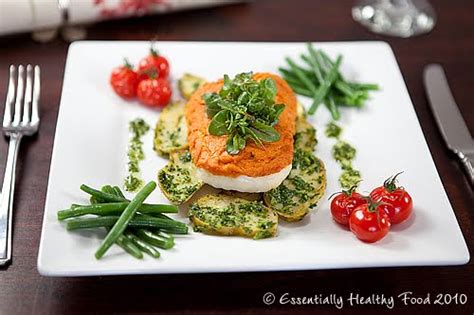
Your plate is the canvas, and selecting the right one is fundamental. Opt for simple, neutral-colored plates – whites, grays, or even light pastels – as they allow your food’s natural colors to pop. Avoid overly patterned plates that can distract from your dish. Consider the size as well; a plate that’s too large can make a serving look sparse, while one that’s too small can appear messy. Aim for a plate where your main components fill about two-thirds of the surface, leaving some negative space around the edges for a clean, professional look.

Building Height and Texture: The Art of Arrangement
Professional chefs often “build” their dishes, adding height and dimension. Instead of spreading all components flat, think about stacking or layering. For instance, when serving pasta, twirl it into a neat mound rather than a flat pile. For salads, place larger greens at the base and build upwards with colorful vegetables and proteins. Varying textures also adds visual interest; contrast a creamy sauce with something crispy, or a soft protein with crunchy vegetables.
Consider the “rule of thirds” or the “rule of odds” when arranging components. Placing elements in odd numbers (e.g., three asparagus spears instead of two) often creates a more dynamic and aesthetically pleasing composition. Also, think about creating a focal point – one element that immediately draws the eye, with other components complementing it.

The Finishing Touches: Garnishing with Purpose
Garnishes aren’t just for show; they can add complementary flavors, aromas, and textures. Fresh herbs like parsley, cilantro, or chives, finely chopped or as whole sprigs, instantly add a vibrant touch of green. A drizzle of olive oil, a swirl of balsamic glaze, or a sprinkle of paprika can add color and shine. Edible flowers can bring an unexpected elegance, while toasted nuts or seeds can offer a welcome crunch and visual contrast.
Remember that every garnish should have a purpose, enhancing the dish rather than merely sitting on top. Think about how the garnish interacts with the main ingredients in terms of color, shape, and flavor profile. A simple sprinkle of black pepper on a light-colored dish can make a surprising visual impact.
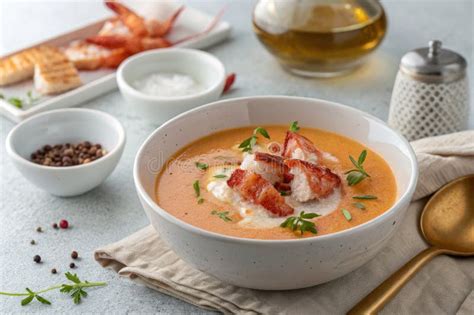
Sauces and Spreads: Precision and Panache
Sauces are not just for taste; they are powerful tools for plating. Instead of pouring sauce haphazardly, consider deliberate placement. You can create a “smear” of sauce using the back of a spoon, forming an artistic base for other components. Alternatively, use a squeeze bottle to create dots, lines, or swirls around your main dish. If your sauce is thick, a quenelle (a three-sided oval shape created with two spoons) can add a sophisticated touch to mousses or purees. Always wipe away any drips or smears from the plate rim for a clean, professional finish.

Lighting and Angles: Capturing the Culinary Masterpiece
While plating is paramount, the final step for a visually stunning foodie feed is photography. Natural light is your best friend; position your dish near a window, but avoid direct sunlight which can create harsh shadows. Overhead shots work well for bowls and dishes with intricate toppings, while a 45-degree angle often highlights height and dimension. Experiment with simple backgrounds – a clean wooden table, a plain tablecloth, or even a simple chopping board. Don’t forget to wipe down your lens and capture multiple angles to find the most appetizing shot.
Conclusion: Plate with Passion and Practice
Transforming your home recipes into visually stunning masterpieces for your foodie feed is an exciting journey. It requires a keen eye, a bit of creativity, and a willingness to experiment. Start with simple dishes and gradually incorporate more advanced techniques. Remember, the goal is to make your food as appealing to the eyes as it is to the palate. So go ahead, unleash your inner food stylist, and get ready to impress your followers with every beautifully plated dish!