What plating hacks yield visually stunning dishes for your feed?
In today’s visually-driven world, a dish isn’t truly complete until it looks as good as it tastes – especially if it’s destined for your social media feed. Gone are the days when taste alone was king; now, presentation is paramount. Elevating your plating can turn a simple meal into a culinary work of art, capturing attention and inspiring awe. But how do professional chefs make their dishes look so effortlessly stunning? It’s all about understanding a few key plating hacks that anyone can master.
The Foundation: Choose Your Canvas Wisely
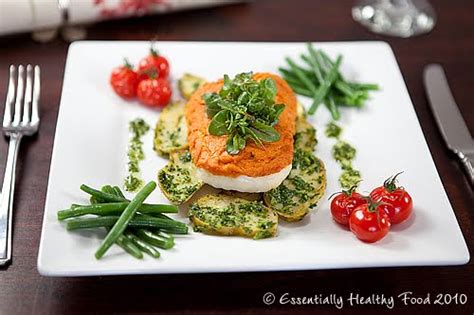
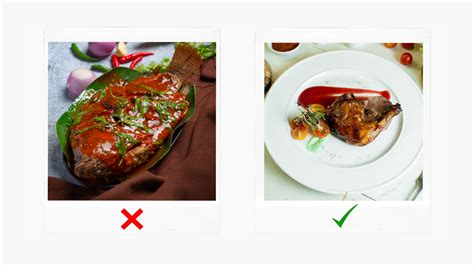
Before you even begin arranging food, consider your plate. The choice of plate can dramatically impact how your dish is perceived. Opt for white or neutral-colored plates; they allow the vibrant colors of your food to pop without distraction. Round plates are classic and versatile, but don’t shy away from square or rectangular options for a modern edge. Size matters too – a larger plate with ample negative space makes the portion look more refined and elegant, preventing it from appearing cluttered.
Think about the material and texture of the plate as well. A rustic stoneware plate might complement a hearty, wholesome dish, while delicate porcelain suits a more refined creation. Using contrasting colors between your food and plate will make your ingredients stand out.
Mastering the Art of Arrangement
Plating is essentially composing a picture, and just like any good composition, it needs balance and a focal point. A common hack is the ‘rule of odds,’ where arranging elements in odd numbers (like 3 or 5 pieces of shrimp) often creates a more visually appealing and dynamic arrangement than even numbers. Create height by stacking ingredients, but do so purposefully. Think about a towering salad or a perfectly layered entree; verticality adds drama and sophistication.
Utilize negative space – the empty areas on the plate – to frame your food and allow each component to breathe. Don’t crowd your plate. Position your main protein as the focal point, typically slightly off-center, and arrange accompanying elements around it. Imagine an invisible clock face: protein at 6 o’clock, starch at 10, and vegetables at 2.
Color and Contrast: A Feast for the Eyes
One of the easiest ways to make a dish visually stunning is through color. Incorporate a variety of hues using fresh ingredients. Think vibrant greens from herbs, bright reds from berries or bell peppers, and sunny yellows from citrus or corn. Contrast is key; pair light-colored foods with dark sauces, or crunchy textures with smooth purées.
Consider the textures of your components too. A dish with a mix of crispy, creamy, smooth, and chunky elements is far more interesting than one that’s uniformly soft. A sprinkle of toasted nuts over a creamy soup or a crisp tuile on a soft dessert adds both textural intrigue and visual appeal.
The Magic of Garnishes and Sauces
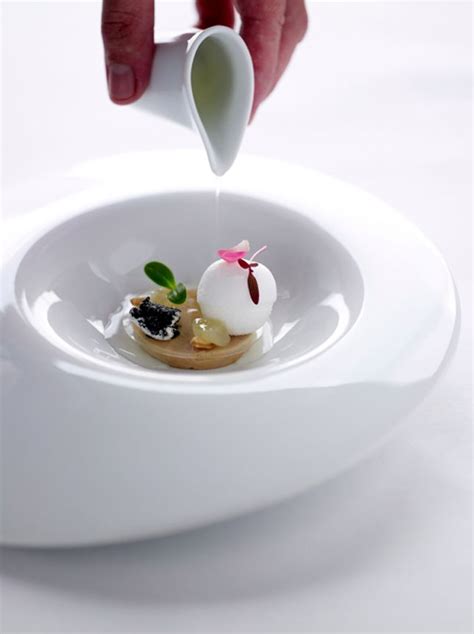
Garnishes aren’t just for decoration; they add flavor, aroma, and crucial visual interest. Fresh herbs like parsley, cilantro, chives, or dill can instantly brighten a dish. Edible flowers offer a touch of elegance and unexpected beauty. Microgreens are another fantastic option for a delicate, professional finish. Remember to place garnishes strategically, not just sprinkle them randomly.
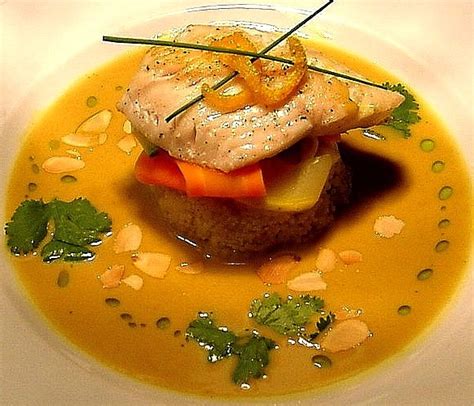
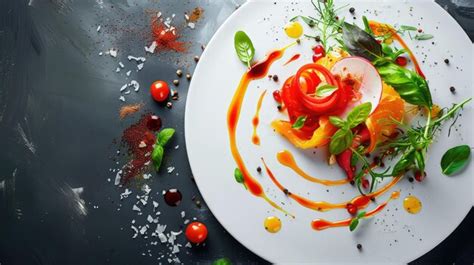
Sauces can be game-changers. Instead of simply drizzling, try painting a smear of sauce across the plate with the back of a spoon, or using a squeeze bottle to create elegant dots, swirls, or lines. A perfectly placed pool of sauce can act as a foundation for other elements. Just be mindful not to drown your food; sauces should complement, not overpower.
Precision and Cleanliness: The Finishing Touch
Even the most perfectly arranged dish can be ruined by smudges or spills. Before serving, always take a moment to wipe the rim of your plate with a clean cloth or paper towel. Clean edges make a huge difference, signaling care and attention to detail. Use kitchen tweezers or tongs for precise placement of small elements. A small spray bottle of water can keep fresh herbs looking vibrant until served.
Remember that plating is a skill that improves with practice. Start with simple dishes and gradually experiment with more complex arrangements. Take inspiration from restaurant menus, culinary magazines, and, of course, other stunning feeds. With these hacks, you’re well on your way to creating visually stunning dishes that are sure to earn you double-taps and admiration.