What plating & ingredient tips ensure my dish matches the recipe’s vibrant photo?
Beyond the Recipe: Mastering Visual Appeal
It’s a common kitchen dilemma: you follow a recipe to the letter, taste is perfect, but the final dish looks nothing like the stunning photograph that inspired you. The gap between expectation and reality often lies in understanding the nuances of ingredient handling and the art of plating. Bridging this gap isn’t about becoming a professional food stylist, but rather adopting a few key techniques that elevate your home cooking from merely delicious to visually irresistible.
The Foundation: Ingredient Selection & Preparation
The journey to a photogenic dish begins long before it hits the plate. The quality and preparation of your ingredients are paramount to achieving those vibrant colors and appealing textures.
Choose Wisely: Freshness is Key
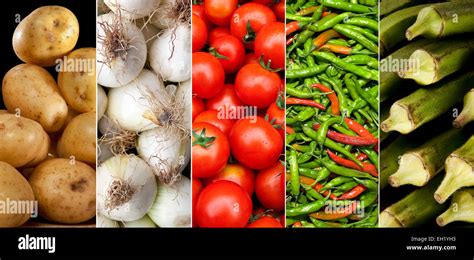
Just like a painter needs good quality paints, a cook needs fresh, vibrant ingredients. Wilted greens, dull vegetables, or bruised fruits simply won’t look as appealing. Opt for produce that is crisp, brightly colored, and free from blemishes. For proteins, look for good marbling in meats or clear, bright eyes in fish.
Preserve Color and Texture
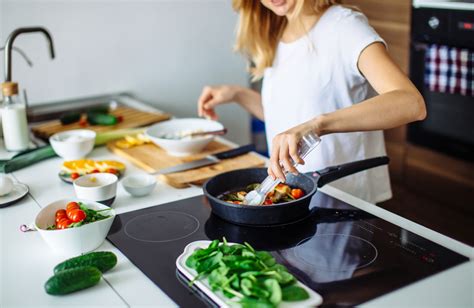
Cooking methods play a critical role in maintaining visual appeal. Overcooked vegetables often lose their bright color and firm texture, becoming dull and mushy. Blanching green vegetables briefly in boiling water and then plunging them into an ice bath can lock in their vibrant hue. Searing meats quickly to get a beautiful crust without overcooking the interior also contributes to a more appealing look. Avoid overcrowding your pan, which can steam ingredients instead of browning them.
The Power of Contrast
Think about how different colors and textures interact. A dish consisting of only one color can look flat. Incorporate elements that provide visual contrast – a sprinkle of red paprika on a creamy soup, a few dark green herbs on light pasta, or crunchy nuts atop a soft dessert. This adds depth and interest.
Artful Plating: Bringing Your Dish to Life
Once your ingredients are cooked to perfection, plating is where the magic happens. It’s about arranging components thoughtfully to create an appetizing visual narrative.
Start with a Clean Canvas
Always begin with a clean plate. Wipe away any drips or smudges before serving. A pristine border makes your food stand out and shows attention to detail.
Build with Purpose: Height & Volume
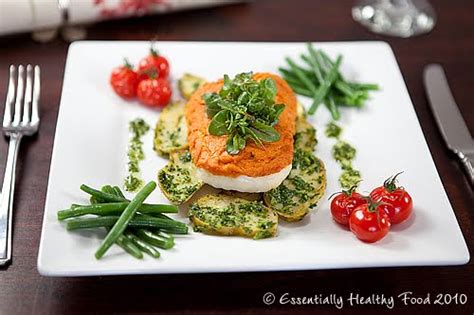
Flat food looks uninspired. Create height and volume by stacking components strategically. Instead of spreading pasta flat, twirl it into a neat mound using tongs and a ladle. Place proteins as a central focal point, and then arrange accompanying elements around or under them. Think in layers rather than a single flat plane.
Utilize Negative Space
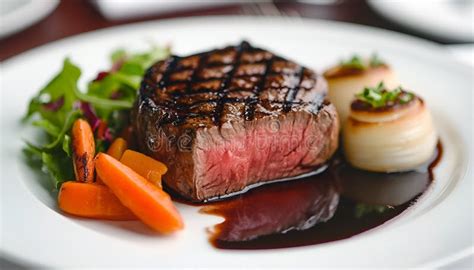
Don’t overcrowd the plate. Leaving some empty space around your food helps it breathe and allows each component to be appreciated individually. Aim for an asymmetrical arrangement that draws the eye towards the main elements rather than a perfectly symmetrical, often stiff, look.
Drizzles, Swirls, and Sauces
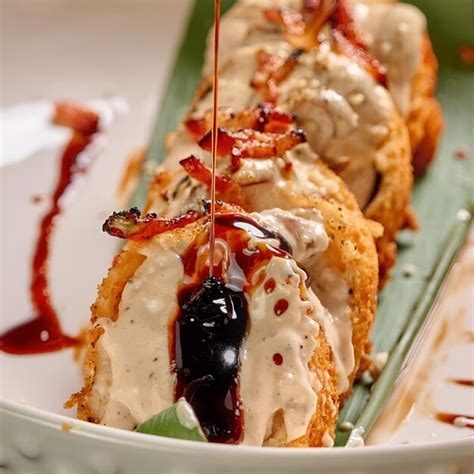
Sauces aren’t just for flavor; they’re powerful visual tools. Use a squeeze bottle or spoon to create elegant drizzles, swirls, or dots. A contrasting color sauce can beautifully frame your main ingredient or add an artistic flourish. Just ensure the sauce isn’t too thick or too runny to maintain its shape.
The Finishing Touches: Garnishes & Lighting
The final details can make all the difference, transforming a good-looking dish into a great one.
Strategic Garnishing
Garnishes should complement the dish, both in flavor and appearance. A sprinkle of fresh herbs (parsley, cilantro, chives), a wedge of citrus, a few toasted nuts, or even edible flowers can add a pop of color and freshness. Think about contrasting textures and colors – a bright green herb on a rich brown stew, for instance.
The Right Light Matters
If you plan to photograph your dish, good lighting is crucial. Natural, indirect light is almost always best. Avoid harsh overhead lighting that creates shadows. A window can be your best friend for capturing that professional-looking glow.
Practice Makes Perfect
Like any skill, mastering food presentation takes practice. Don’t be afraid to experiment with different arrangements, garnishes, and plateware. Pay attention to how professional chefs and food photographers present their dishes for inspiration. Over time, you’ll develop an eye for what looks appealing and how to translate a recipe photo’s vibrancy into your own culinary creations.

By focusing on fresh, well-prepared ingredients and applying thoughtful plating techniques, you’ll find yourself consistently creating dishes that not only taste incredible but also look every bit as vibrant and inviting as the recipe photos that first caught your eye.