What plating/lighting strategies elevate ‘Visual Bites’ for ultimate foodie appeal?
In the age of social media, a dish isn’t just about taste; it’s a visual experience. ‘Visual Bites’ — the art of making food irresistibly photogenic — relies heavily on strategic plating and expert lighting to capture ultimate foodie appeal. Mastering these elements transforms a simple meal into a feast for the eyes, driving engagement and desire.
The Art of Plating: Crafting Visual Harmony
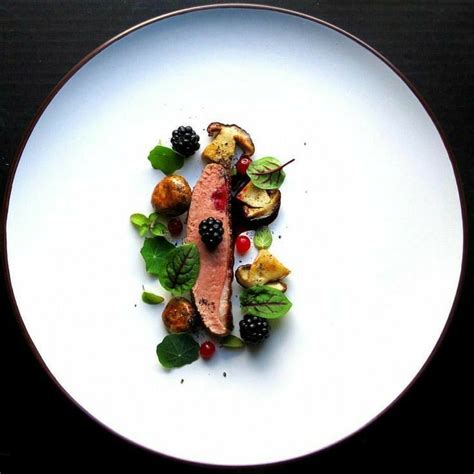
Plating is more than just arranging food; it’s about creating a composition that tells a story and entices the viewer. Think about balance, contrast, and focal points. A well-plated dish guides the eye, highlights key ingredients, and promises a delightful culinary journey.
One fundamental principle is the ‘Rule of Odds,’ where arranging items in odd numbers (e.g., three scallops, five asparagus spears) often creates a more visually appealing and natural composition. Consider color contrast – pairing vibrant ingredients with more subdued ones makes each element pop. Texture contrast, like crispy against creamy, also adds depth.
Adding height to your dish, perhaps by stacking ingredients or creating a small tower, can give it a professional, dynamic look. Equally important is negative space – the empty area around your food. Don’t overcrowd the plate; allow ingredients to breathe, drawing attention to the star components and enhancing their perceived value. Garnishes, used sparingly and thoughtfully, can add a final touch of color and elegance without overwhelming the main dish.
Mastering Lighting: Illuminating Food’s Best Angle
Lighting is arguably the single most crucial factor in food photography and presentation. The right light can make food look fresh, appetizing, and vibrant, while poor lighting can make even the most delicious dish appear dull and uninviting. It affects color, texture, and overall mood.

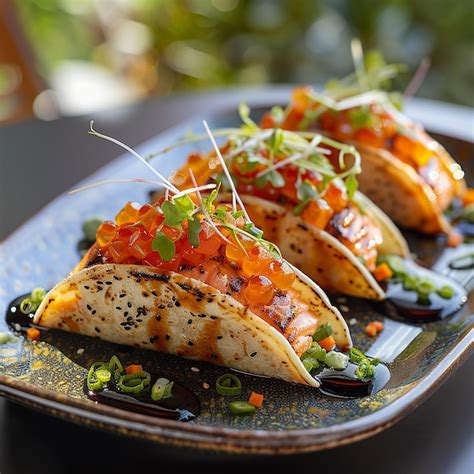
Whenever possible, utilize natural light. Position your dish near a window, but avoid direct harsh sunlight, which can create unflattering shadows and blown-out highlights. Diffused natural light, often achieved by drawing a sheer curtain or shooting on an overcast day, provides a soft, even glow that is incredibly flattering to food. Side lighting or backlighting can add dimension and highlight textures beautifully.
When natural light isn’t available, artificial lighting can be your best friend. A softbox or a ring light can mimic diffused natural light, providing consistent, controlled illumination. Experiment with angles; avoid direct overhead flash, which flattens the image. Instead, position lights to the side or slightly behind, using reflectors to bounce light into shadows and create a more professional, multidimensional look.
Beyond the Plate: Backgrounds and Props
While plating and lighting are paramount, the surrounding environment also plays a role. Choose simple, uncluttered backgrounds that complement, rather than compete with, your food. Neutral colors, wooden textures, or a simple tablecloth can provide an elegant stage.
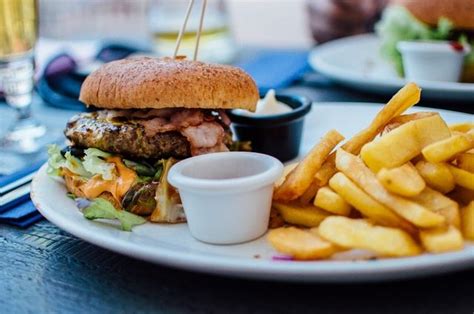
Props, such as cutlery, napkins, or small accent ingredients, can enhance the narrative but should be used sparingly. They should reinforce the story of the dish, adding context or warmth without distracting from the main subject. Think about the overall mood you want to convey – rustic, elegant, modern – and select props accordingly.
Elevating ‘Visual Bites’ from merely edible to utterly irresistible is an art form that combines thoughtful plating and masterful lighting. By focusing on balance, contrast, height, negative space, and harnessing the power of natural or carefully controlled artificial light, food creators can consistently produce stunning visuals that captivate audiences and ignite ultimate foodie appeal. These strategies don’t just make food look good; they make it unforgettable.