What plating secrets ensure vibrant, photo-ready dishes that taste as great as they look?
Elevating the Culinary Canvas: Why Plating Matters
In the age of social media, a dish’s visual appeal can be just as important as its taste. But long before smartphones, chefs understood that thoughtful presentation elevates a meal from mere sustenance to a memorable experience. Vibrant, photo-ready dishes don’t just happen; they are the result of applying specific plating secrets that enhance perception of flavor, texture, and freshness, ultimately making the food taste as great as it looks.

The Core Principles of Visual Harmony
Successful plating is built on a few fundamental principles that guide the eye and create an appetizing composition:
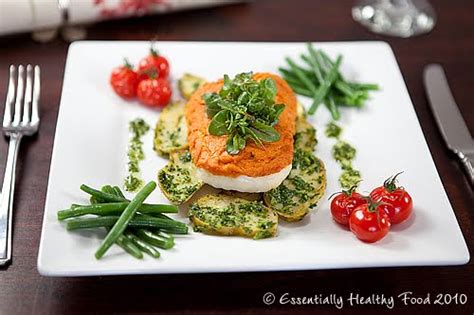
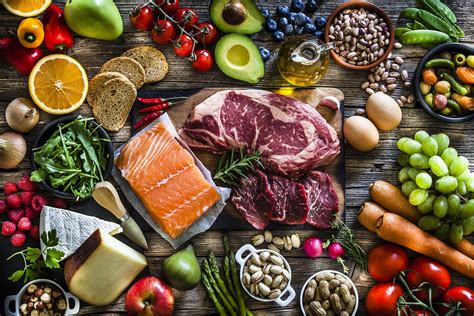
- Color & Contrast: Think beyond monochromatic meals. Utilize a palette of vibrant ingredients, sauces, and garnishes. A pop of red cherry tomato against green basil, or a bright yellow puree contrasting with a dark protein, can make a dish sing.
- Texture Variety: A visually appealing dish often boasts a delightful mix of textures. Combine crispy elements with creamy purees, crunchy nuts with tender meats, or smooth sauces with fresh, firm vegetables. This interplay not only looks good but also promises an interesting mouthfeel.
- Balance & Composition: Avoid clutter. Asymmetrical balance, often guided by the rule of thirds, tends to be more dynamic and visually engaging than perfect symmetry. Create a clear focal point and arrange supporting elements around it.
- Height & Dimension: Flat dishes can be uninspiring. Add height by stacking ingredients, layering components, or using a puree or spread as a base for vertical elements. This adds interest and makes the dish feel more substantial.
- Focal Point: Every dish needs a star. This is usually the main protein or a standout vegetable. Arrange other elements to complement and highlight this central focus, drawing the diner’s eye naturally.
Practical Techniques for Photo-Ready Plates
Translating principles into practice requires a few clever techniques:
- The Power of Sauce: Sauce is your culinary paint. Instead of pouring it over everything, use squeeze bottles or spoons to create deliberate drizzles, artful swipes, or elegant pools. A well-placed sauce can add color, shine, and define components.
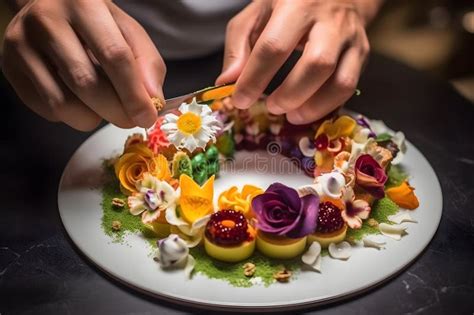
- Strategic Garnishing: Garnishes aren’t just an afterthought; they’re the final flourish. Fresh herbs, edible flowers, a sprinkle of spices, or microgreens can add color, texture, and a sense of freshness. Remember, less is often more; avoid overwhelming the main ingredients.
- Negative Space is Your Friend: Don’t overcrowd the plate. Allowing empty space around your food helps the individual components stand out, creates a sense of elegance, and makes the dish feel more refined.
- Mindful Portioning: Smaller, more elegant portions tend to look better than overflowing plates. Focus on quality over quantity for visual impact, allowing each ingredient room to shine.
- Plate Selection: The plate itself is the frame for your artwork. Choose plates that complement the dish in size, shape, and color. White plates are often preferred as they make food colors pop, but consider other options that fit your culinary theme.
Bridging Aesthetics with Flavor: The Taste Connection
A beautiful dish is only truly successful if it tastes as good as it looks. The secret to bridging this gap lies in never sacrificing flavor for visual appeal:
- Ingredient Quality: Start with the freshest, most vibrant ingredients available. Their natural colors, textures, and flavors will inherently make your dish more appealing, both visually and culinarily.
- Cooking Techniques: Employ cooking methods that preserve the natural beauty and integrity of your ingredients. Blanching vegetables to retain their bright green, searing meats to achieve a perfect crust, or carefully roasting to caramelize without charring all contribute to both look and taste.
- Temperature Control: Serve hot food hot and cold food cold. This not only ensures optimal flavor but also affects visual appeal – think of perfectly melted cheese on a warm dish versus congealed sauce on a cold one.
- Thoughtful Layering: Build layers that make sense texturally and flavor-wise, not just visually. Each component should contribute to the overall eating experience, ensuring that every bite is as balanced and delicious as the plate appears.

Mastering the art of plating is an ongoing journey that combines creativity, precision, and a deep understanding of how our senses interact. By applying these plating secrets – focusing on color, texture, balance, and thoughtful execution – you can transform everyday meals into culinary masterpieces that are as delightful to the eye as they are to the palate. Prepare to impress both your diners and your camera!