What plating techniques best enhance the visual appeal of ‘real food’ dishes?
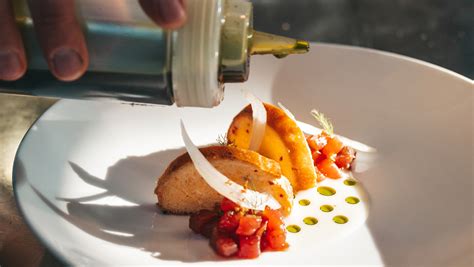
Food is an experience that engages all our senses, and while taste is paramount, the visual appeal often sets the stage for enjoyment. For ‘real food’ dishes – those vibrant, wholesome creations emphasizing natural ingredients – effective plating can transform a simple meal into an edible work of art. It’s not about hiding imperfections, but about highlighting the inherent beauty of fresh, quality components.
The Canvas: Choosing the Right Plate and Ensuring Pristine Presentation
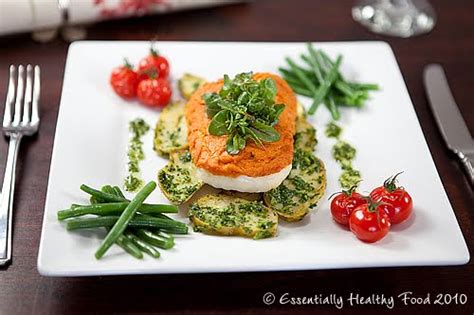
Before you even begin arranging ingredients, consider your canvas. The plate itself plays a crucial role in framing your dish. White plates are often preferred as they provide a neutral background that allows the colors of the food to pop. However, darker plates can offer dramatic contrast, especially for lighter-colored foods. Experiment with different shapes – round, square, rectangular – to see how they complement the overall aesthetic you’re aiming for. Ultimately, the plate should enhance, not distract from, the food.
Equally important is a spotless presentation. A clean plate rim, free of smudges, drips, or stray crumbs, speaks volumes about the care and attention to detail. Always give the edges of your plate a quick wipe before serving to ensure a professional finish. This simple step elevates the entire dining experience.

Strategic Arrangement: Balance, Height, and Focal Points
The art of plating lies in creating visual harmony and interest. Think about the “rule of odds” and the “rule of thirds,” concepts often applied in photography, which can guide your ingredient placement. Arranging items in odd numbers (e.g., three asparagus spears instead of two) often feels more natural and aesthetically pleasing. Similarly, imagining your plate divided into a tic-tac-toe grid and placing key elements at the intersections can create a dynamic composition.
Creating height adds a professional dimension to your dish. Instead of spreading everything flat, consider stacking or leaning components against each other. For instance, lean grilled vegetables against a protein, or build a salad upwards with layered greens and toppings. This creates an inviting texture and makes the dish feel more substantial and thoughtfully prepared.
Contrast in color and texture is vital. Bright greens against a rich protein, or crunchy elements beside soft ones, engage the eye and palate. Identify a focal point – often the main protein or a particularly striking vegetable – and arrange other elements around it to draw the diner’s eye. This creates a clear hierarchy and makes the dish easier to appreciate visually.
Finishing Touches: Elegant Saucing and Thoughtful Garnishes
Sauces are not just for flavor; they are powerful plating tools. Instead of pouring a pool of sauce over everything, consider more artful applications. A gentle swirl on the plate before placing main components, a deliberate drizzle over a protein, or small dots strategically placed around the dish can add visual flair and guide the eye. Use squeeze bottles or spoons to achieve precision, ensuring the sauce complements the dish without overpowering it visually or texturally.
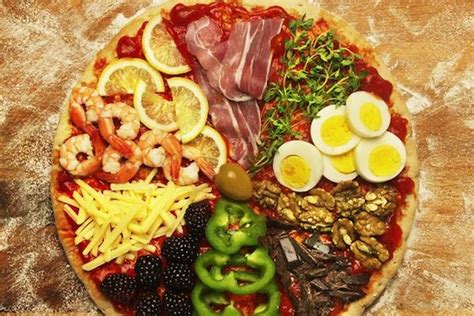
Garnishes are the jewels of your dish, providing a final touch of color, texture, and freshness. Fresh herbs like parsley, cilantro, or dill, microgreens, or even a sprinkle of toasted nuts or seeds can elevate the presentation. Edible flowers offer a burst of delicate color. Remember that garnishes should always be edible and contribute to the overall flavor profile, not just sit there as decoration. Less is often more; a few thoughtfully placed garnishes are far more impactful than a cluttered heap.
Finally, don’t underestimate the power of negative space. Allowing some areas of the plate to remain empty gives the dish room to breathe and prevents it from looking overcrowded. It emphasizes the elements you have chosen to highlight and makes the overall presentation feel clean and sophisticated.
Embracing Authenticity: Highlighting the Natural Beauty of ‘Real Food’
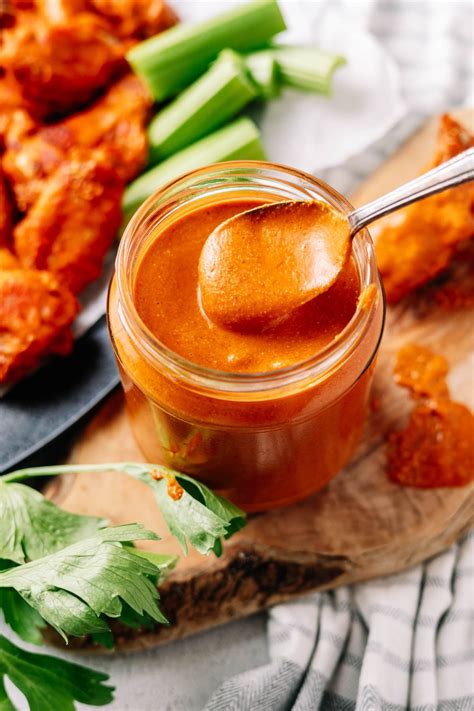
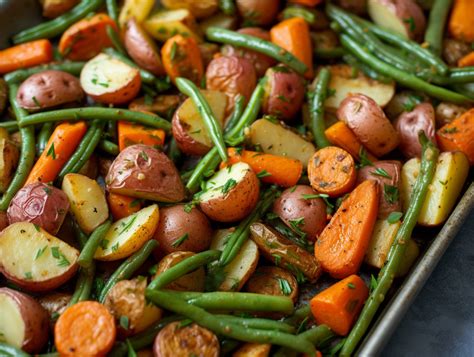
‘Real food’ often shines brightest when its inherent qualities are celebrated rather than hidden. This means emphasizing the natural colors, textures, and shapes of your ingredients. For instance, when plating roasted vegetables, arrange them to show off their caramelized edges and vibrant hues. For a grilled piece of fish or meat, allow its beautiful sear marks to be visible. Think about how the raw ingredients already look appealing and try to maintain that visual integrity.
Resist the urge to over-manipulate or over-process ingredients solely for plating. While a perfectly cut brunoise has its place, the rustic charm of a roughly chopped herb or a naturally broken piece of artisan bread can be incredibly appealing in a ‘real food’ context. The goal is to make the food look approachable, delicious, and genuinely wholesome, inviting diners to savor its natural goodness.
Elevating the Everyday: The Power of Thoughtful Plating
Mastering plating techniques is an ongoing journey that blends creativity with technical skill. By thoughtfully considering plate selection, strategic arrangement, precise saucing, and deliberate garnishing, you can significantly enhance the visual appeal of any ‘real food’ dish. Remember to highlight the natural beauty of your ingredients, embrace contrast, and utilize negative space effectively. With practice, you’ll transform your everyday meals into visually stunning culinary experiences, proving that we truly do eat with our eyes first.