What plating techniques elevate home-cooked meals for Instagram-ready visuals?
The Art of Plating: Beyond Taste
In the age of social media, a meal isn’t truly complete until it’s been photographed and shared. While the taste and aroma of your home-cooked dishes are paramount, their visual presentation plays an equally crucial role in creating an appealing, Instagram-ready moment. Transforming everyday meals into culinary masterpieces doesn’t require a professional chef; with a few thoughtful techniques, anyone can elevate their plating game and capture stunning visuals that garner likes and admiration.
Foundational Principles for Visual Appeal
Before diving into specific techniques, understanding the core principles of food aesthetics is key. Think of your plate as a canvas:
- Color & Contrast: Aim for a variety of colors. Bright vegetables against a darker protein, or a vibrant sauce on a neutral background, create visual pop.
- Texture & Variety: Incorporate different textures – crispy, creamy, crunchy, smooth – to make the dish more interesting both to eat and to look at.
- Height & Dimension: Flat food looks uninspired. Stack ingredients, lean components against each other, or use a mold to create verticality, adding a professional touch.
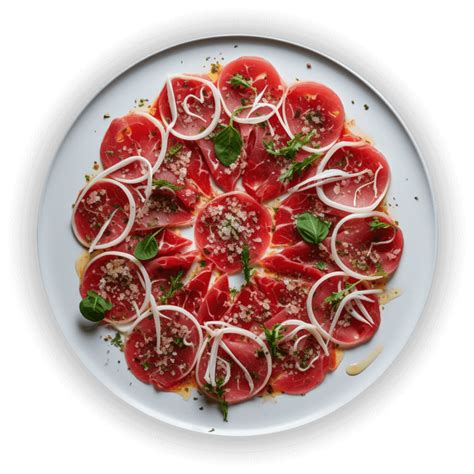
- Negative Space: Don’t overcrowd the plate. Leaving some empty space around your food helps the main components stand out and gives the dish a clean, elegant look.
Practical Plating Techniques for Home Cooks
The Rule of Odds and Asymmetry
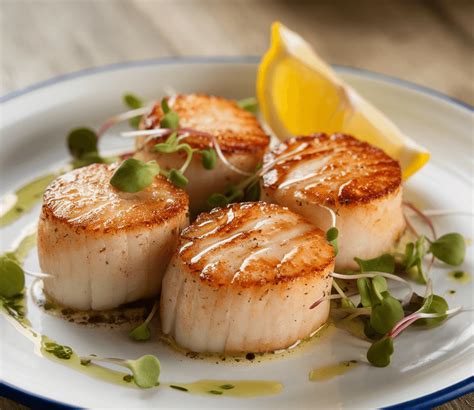
Odd numbers of items (e.g., three asparagus spears, five shrimp) are generally more visually appealing than even numbers. Also, avoid perfect symmetry; an off-center arrangement or a diagonal line often creates more dynamic interest on the plate.
Layering and Stacking
This is where height comes into play. Instead of spreading ingredients flat, build them up. Place a base (like a starch), add your protein, and then layer vegetables or sauces on top. Use cookie cutters or ring molds for perfectly shaped foundations.
Sauces and Swipes
Sauces aren’t just for flavor; they’re excellent for presentation. A controlled drizzle, an elegant swipe with the back of a spoon, or a few artful dots can add color, shine, and a touch of sophistication. Be mindful not to drown your food.

Thoughtful Garnishing
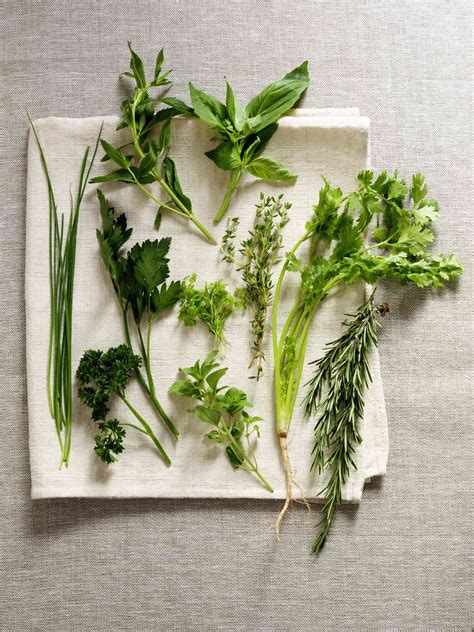
Garnishes are the jewelry of your dish. Fresh herbs (parsley, cilantro, mint), a sprinkle of toasted seeds, a dash of paprika, or even a few edible flowers can add color, freshness, and a professional finish. Ensure garnishes are relevant to the dish’s flavors.
Choosing the Right Plateware
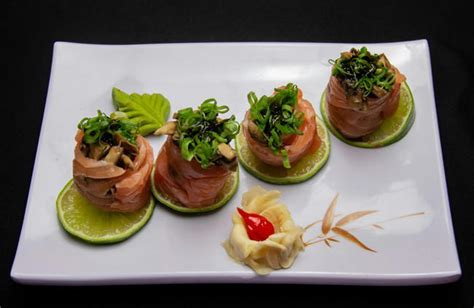
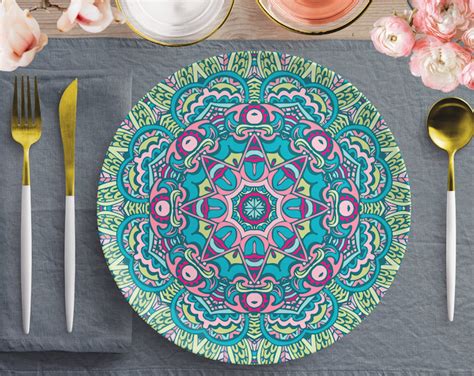
The plate itself is part of the presentation. Simple white or neutral-colored plates are often best as they make the food pop. Consider the shape and size – square plates can feel modern, while round plates are classic. Ensure the plate is large enough to allow for negative space without making the portion look tiny.
Final Touches for that “Wow” Factor
Once your food is artfully arranged, take a moment for critical inspection. Wipe any smudges, drips, or fingerprints off the rim of the plate with a clean cloth or paper towel. A pristine plate immediately elevates the presentation. For photography, natural light is always your best friend – position your dish near a window, and shoot from angles that highlight the dish’s best features, like its height and texture.

Practice Makes Perfect
Plating is a skill that improves with practice. Don’t be afraid to experiment with different arrangements, sauces, and garnishes. Start with simple dishes and gradually challenge yourself. Soon, you’ll find joy not just in cooking delicious meals, but in making them look as incredible as they taste, ready for their Instagram debut.