What plating techniques elevate simple recipes to ‘foodie feed’ status?
In the age of social media, where every meal is a potential photo op, the presentation of food has become almost as important as its taste. Transforming a humble home-cooked meal into a visually arresting dish for a ‘foodie feed’ doesn’t require a professional culinary background. It’s all about understanding a few fundamental plating techniques that elevate the aesthetic appeal of even the simplest recipes.
The Art of Visual Appeal: Why Presentation Matters
Food is experienced first with the eyes. An attractively plated dish signals care, attention to detail, and a promise of deliciousness. Beyond mere aesthetics, thoughtful plating can enhance the perception of flavor, texture, and overall dining experience. It transforms a meal from simple sustenance into an art form.
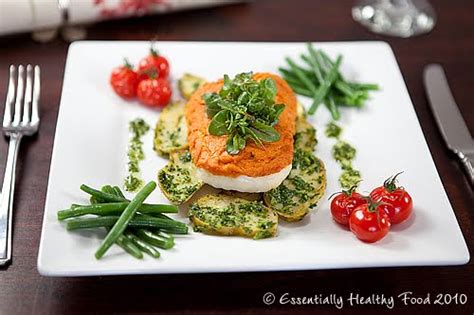
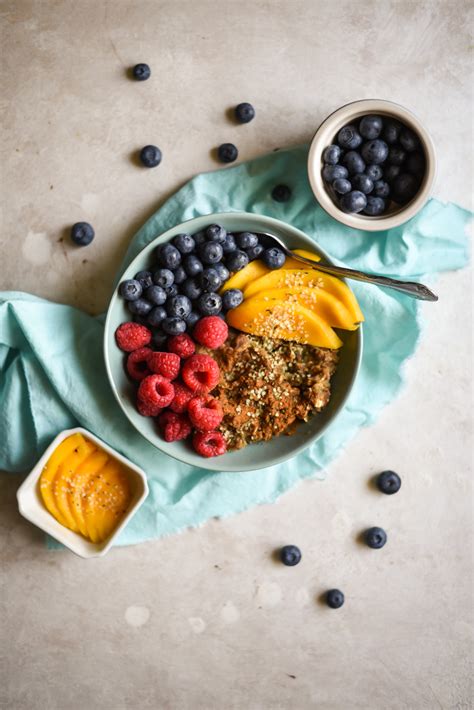
The key to successful plating lies in creating balance, harmony, and a focal point. Consider the colors on your plate: vibrant vegetables next to a rich protein create visual interest. Think about textures: a crispy element against something smooth or creamy adds depth. Height and dimension are crucial; avoid flat, sprawling dishes by stacking or arranging ingredients to build upwards.
Mastering the Plate: Core Elements
1. Color and Contrast
A monochromatic plate can be dull. Incorporate a variety of colors through different ingredients, such as a bright green herb, a vibrant red sauce, or a golden roasted vegetable. Contrast isn’t just about color; it also applies to shape and texture.
2. Texture Variety
Offer a mix of textures. Think crunchy nuts or croutons on a creamy soup, or crisp vegetables alongside tender meat. This adds a delightful complexity to both the eating experience and the visual appeal.
3. Height and Dimension
Avoid flattening your food. Create vertical interest by stacking ingredients, leaning them against each other, or placing them on a bed of greens. This adds a sophisticated, professional touch.
4. Focal Point and Negative Space
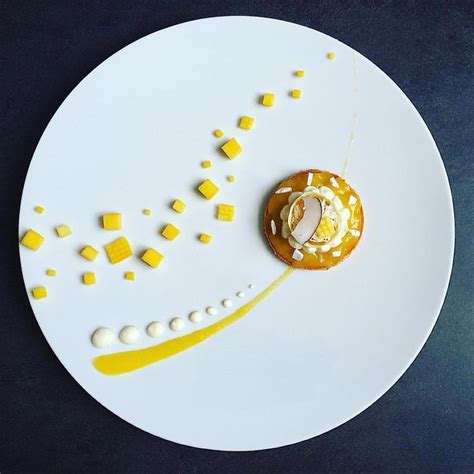
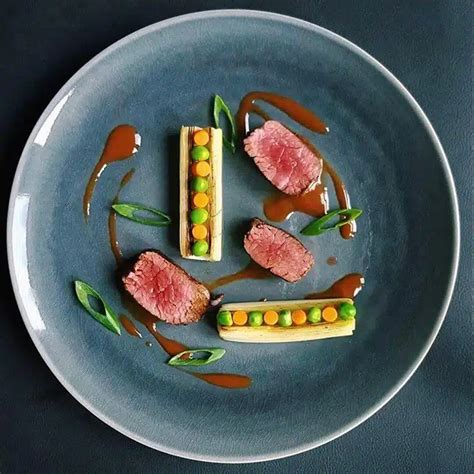
Every plate needs a star. Arrange your main ingredient to draw the eye, then build around it. Negative space—the empty areas on the plate—is just as important as the food itself. It gives the dish room to breathe and prevents it from looking cluttered.
Practical Techniques for Elevating Simple Dishes
1. The Swish or Drizzle of Sauce
Instead of drowning your food in sauce, use it artistically. A perfectly placed spoonful of sauce, a confident swipe across the plate, or a delicate drizzle can add color, shine, and define your dish. Use a squeeze bottle or the back of a spoon for precision.
2. Strategic Stacking and Layering
Whether it’s a simple sandwich or a stack of pancakes, layering adds elegance. For a salad, pile ingredients upwards rather than spreading them flat. For mashed potatoes, use a ring mold to create a neat cylinder.

3. Thoughtful Garnishes
Garnishes aren’t just for decoration; they should add to the flavor and texture of the dish. A sprig of fresh herbs, a sprinkle of toasted seeds, a citrus zest, or a few edible flowers can provide a pop of color and freshness. Always ensure garnishes are edible and relevant to the dish.
4. Choosing the Right Dishware
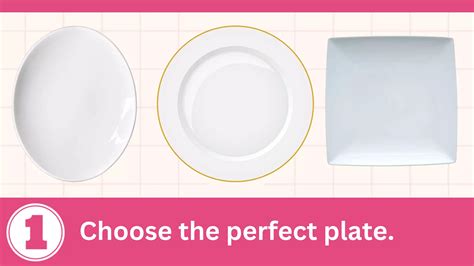
The plate itself is your canvas. White or neutral-colored plates allow the food’s colors to stand out. Consider the shape and size of your plate; often, a slightly larger plate with ample negative space makes the food look more refined. Bowls can be great for dishes with sauces or liquid components.

Beyond the Basics: Tips for ‘Foodie Feed’ Status
Once you’ve mastered the basics, consider these additional tips for truly ‘gram-worthy’ food:
- Portion Control: Less is often more. Smaller, more intentional portions tend to look more elegant and allow for more negative space.
- Cleanliness: Always wipe the edges of your plate with a clean cloth before serving to remove any smudges or drips.
- Angles: When plating, think about how the dish will look from different angles, especially from above for overhead shots.
- Lighting: Good lighting is crucial for food photography. Natural light is almost always best.
- Practice: The more you experiment with plating, the more intuitive it becomes. Don’t be afraid to try different arrangements.
Elevating simple recipes to ‘foodie feed’ status is an enjoyable journey of creativity. By focusing on color, texture, height, and smart garnishing, anyone can turn everyday meals into culinary masterpieces that are as pleasing to the eye as they are to the palate. So, next time you cook, take an extra moment to plate with intention—your followers (and taste buds) will thank you!