What plating techniques make delicious home recipes truly photo-worthy?
Elevate Your Home Cooking: Plating for the Camera
In the age of social media, a delicious meal isn’t just about taste; it’s also about visual appeal. Even the most humble home-cooked dishes can become culinary masterpieces worthy of a photo shoot with a few clever plating techniques. Elevating your food presentation is easier than you think, transforming your everyday meals into Instagram-ready works of art.
The Core Elements of Stunning Plating
Color and Contrast
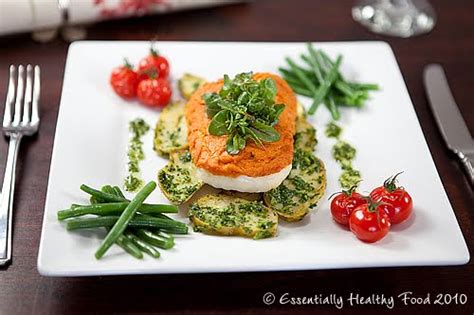
Vibrant colors instantly make food more appetizing. Think about combining ingredients with contrasting hues – a bright green garnish against a rich red sauce, or a golden-brown crust against a creamy white interior. Don’t be afraid to add a pop of color with fresh herbs, edible flowers, or colorful vegetables.
Texture and Dimension
A visually interesting dish offers a variety of textures. Crunchy elements, smooth purees, and tender proteins create depth. Use different cooking methods to achieve this, and layer ingredients to build height, preventing a flat, uninspired look. Stacking ingredients carefully can make a dish look more substantial and professional.

Negative Space
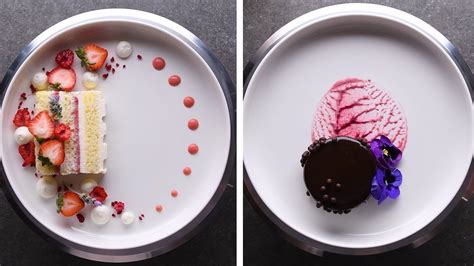
Just as important as what’s on the plate is the space around it. Don’t overcrowd your dish. Leaving some ‘breathing room’ around your main components helps each element stand out and guides the eye, creating a sense of elegance and sophistication. A good rule of thumb is to fill about two-thirds of the plate.
Balance and Focus
While artistic chaos can sometimes work, most successful plating hinges on balance. Arrange your elements so the plate doesn’t feel lopsided. Often, a single focal point, like the main protein, serves as the anchor, with other elements arranged harmoniously around it. The ‘Rule of Odds’ suggests arranging elements in odd numbers (e.g., three asparagus spears, five cherry tomatoes) for a more dynamic and natural look.
Practical Techniques for Home Cooks
Choosing Your Canvas
The plate itself is your canvas. Opt for simple, neutral-colored plates (white, black, or earthy tones) to make your food pop. Consider the shape – round plates are classic, but square or rectangular dishes can offer a modern edge. Ensure your plates are clean and free of smudges before serving.
The Art of the Swirl and Drizzle
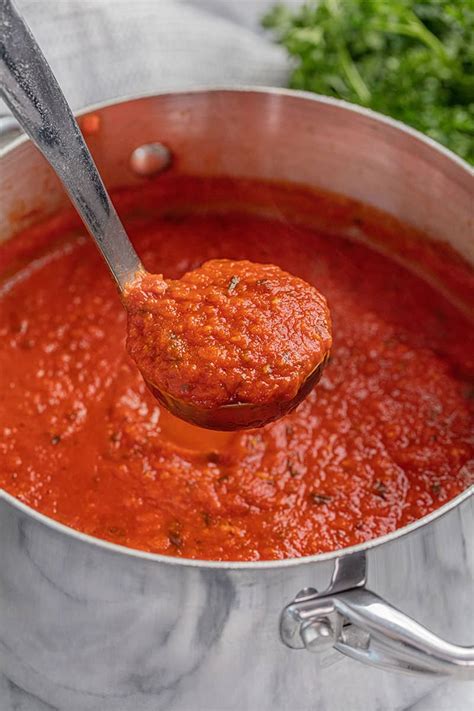
Sauces aren’t just for flavor; they’re also for visual artistry. Use a spoon or a squeeze bottle to create elegant swirls, dots, or drizzles. A contrasting sauce color can add a dramatic flair. Remember, less is often more – a subtle streak can be more impactful than a generous dollop.
Garnish with Purpose
Garnishes should complement the dish, both in flavor and appearance. Fresh herbs like parsley, cilantro, or chives, a sprinkle of toasted nuts or seeds, a citrus zest, or a few microgreens can add freshness, texture, and a burst of color. Place garnishes strategically, not just sprinkled haphazardly. Think of them as the finishing touches that elevate the entire presentation.
Cleanliness is Key
Before you take that photo, always wipe the rim of your plate clean. Any drips, smudges, or stray crumbs can detract from an otherwise perfect presentation. A clean, crisp edge frames your culinary creation beautifully.
Conclusion: Plate with Confidence and Creativity
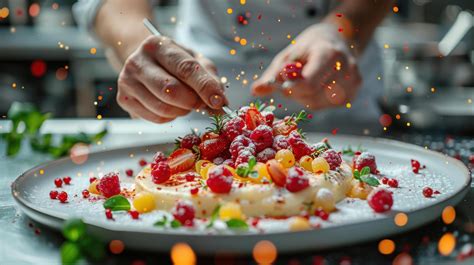
Plating your home recipes beautifully is a skill that develops with practice. Don’t be afraid to experiment with different arrangements, colors, and textures. With these techniques, you’ll not only impress your family and friends but also create stunning, share-worthy photos that truly capture the deliciousness of your culinary efforts. Happy plating, and happy snapping!