What plating techniques make dishes visually stunning & photo-ready?
The Art of Edible Aesthetics: Elevating Your Dishes
In the age of social media and culinary exploration, a dish’s visual appeal is almost as crucial as its taste. Professional chefs and home cooks alike are recognizing that stunning presentation can elevate the dining experience, making food not just delicious but also a feast for the eyes. But what exactly goes into making a dish “photo-ready”? It’s a combination of understanding design principles, mastering specific techniques, and a touch of artistic flair.
Mastering Composition: The Foundation of Plating
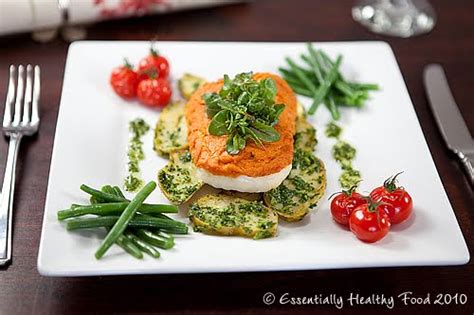
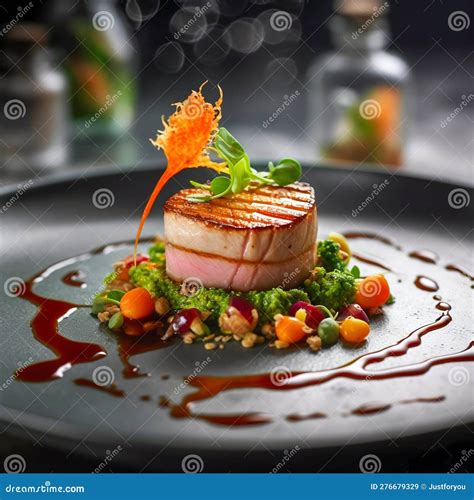
Effective plating begins with thoughtful composition. Think of your plate as a canvas. The goal is to create balance, harmony, and a focal point that draws the eye. Many chefs adhere to principles like the “rule of thirds,” placing key ingredients off-center to create dynamic interest, or creating a “clock” by imagining the main protein at 6 o’clock, vegetables at 10 and 2. Consider the shape and size of your plate – often, white plates provide the best contrast for vibrant food colors, but don’t shy away from other options if they complement your dish.
Color and Contrast: Making Ingredients Pop
A visually appealing dish boasts a variety of colors. Utilize the natural hues of your ingredients – a bright red tomato, a deep green herb, a golden brown sear. Contrast is key; pair light with dark, vibrant with subdued, to prevent the dish from looking monotonous. Think about how a sprinkle of fresh green chives brightens a creamy white soup or how a colorful relish adds excitement to a seared steak. Don’t overload the plate with too many colors, however; aim for a harmonious palette.
Adding Dimension: Texture and Height
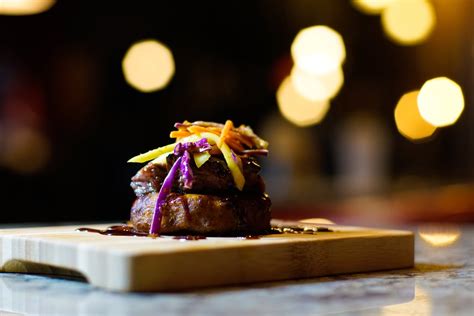
Flat dishes rarely impress. Incorporating varying textures and building height are vital for creating visual interest and adding a professional touch. Crispy elements (like fried onions or croutons), creamy purees, crunchy nuts, and tender proteins all contribute to a more engaging experience. When building height, aim for natural, architectural arrangements rather than just stacking. A protein slightly elevated on a bed of vegetables, a sauce artfully drizzled from above, or a delicate garnish placed strategically can dramatically enhance depth.
The Power of Negative Space
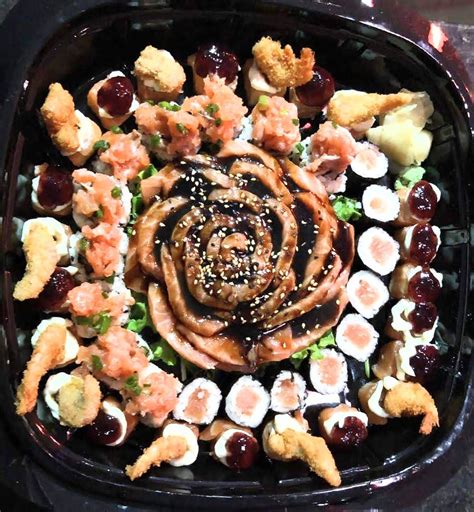
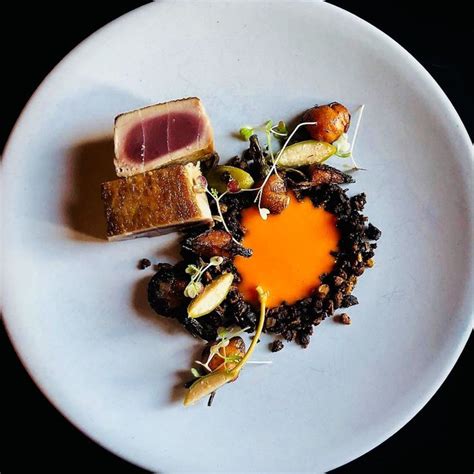
Just as important as what you put on the plate is what you leave off. Negative space, the empty areas on your plate, allows the eye to rest and highlights the star ingredients. Overcrowding a plate makes it look messy and unappetizing. Aim to leave at least one-third of the plate clear, allowing each component to breathe and be appreciated individually. This also makes the dish feel more sophisticated and intentional.
Finishing Touches: Sauces and Garnishes
Sauces are not just for flavor; they are powerful plating tools. Instead of pouring a pool of sauce, consider controlled applications: a delicate drizzle, a swoosh across the plate, a series of dots, or a perfect ring around a central component. Use squeeze bottles or spoons for precision. Garnishes, too, serve a dual purpose – adding flavor and visual flair. Fresh herbs, edible flowers, citrus zest, microgreens, or a dusting of spice can provide that final pop of color, texture, or elegance, making the dish truly complete and ready for its close-up.
Cleanliness and Precision
Finally, a perfect plate is a clean plate. Always ensure the rim of the plate is spotless before serving. Wipe away any drips, smudges, or stray ingredients with a clean towel. Precision in placement and attention to detail, even in the smallest elements, speak volumes about the care and professionalism invested in the dish. A truly photo-ready dish leaves nothing to chance, from the main component to the final wipe.

Conclusion: Practice Makes Perfect
Transforming a dish from delicious to visually stunning is a journey of practice, observation, and creativity. Experiment with different arrangements, sauce applications, and garnishes. Look at food photography for inspiration, but always let the ingredients guide your design. With these techniques, you’ll not only create dishes that taste incredible but also look so good they’re irresistible to photograph and share.