What plating techniques make simple ingredients visually irresistible?
The Art of Elevating Everyday Dishes
Many home cooks believe that stunning food presentation is reserved for gourmet restaurants and complex, multi-component dishes. However, the truth is that even the most humble ingredients – a simple pasta dish, a plate of roasted vegetables, or a perfectly fried egg – can be made visually irresistible with a few fundamental plating techniques. The human experience of food begins with the eyes, and a beautifully presented meal can significantly enhance the perception of taste and enjoyment, turning an ordinary meal into an extraordinary dining experience.

Understanding the Fundamentals of Plating
Before diving into specific techniques, it’s crucial to grasp the core principles that underpin effective food presentation. These include:
- Balance: Distributing elements (colors, textures, shapes) across the plate to create harmony, avoiding an overcrowded or sparse look.
- Focal Point: Creating a clear point of interest that draws the eye, usually the main protein or a key vegetable.
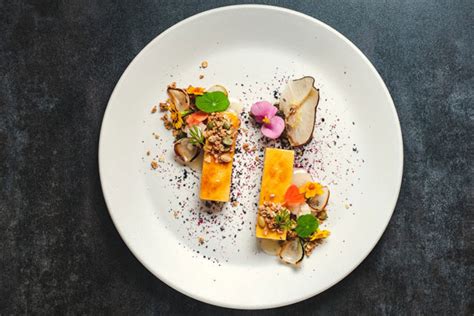
- Negative Space: Utilizing empty areas on the plate to frame your food, giving it room to breathe and appear more sophisticated.
- Contrast: Employing differences in color, texture, shape, and height to add visual excitement and prevent the dish from looking monotonous.
Mastering Color and Texture Contrast
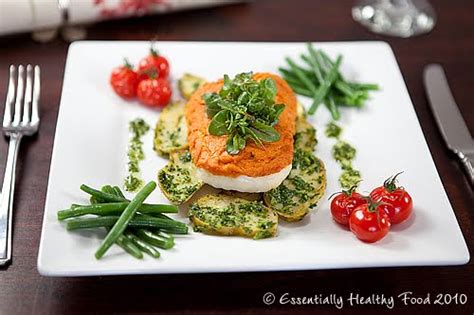
One of the easiest ways to make simple ingredients pop is by paying attention to color and texture. A monochromatic plate can look dull, but introducing vibrant colors through fresh herbs, brightly colored vegetables, or a contrasting sauce immediately elevates the dish. Similarly, varying textures – crisp, creamy, crunchy, smooth – adds depth and interest. For instance, pairing a soft polenta with crispy roasted asparagus and a sprinkle of toasted nuts creates a delightful interplay for both the eyes and the palate.

Strategic Arrangement: From Plate to Palate
How you arrange components on the plate is paramount. Think about:
- The Rule of Odds: Arranging items in odd numbers (3 or 5) often looks more natural and appealing than even numbers.
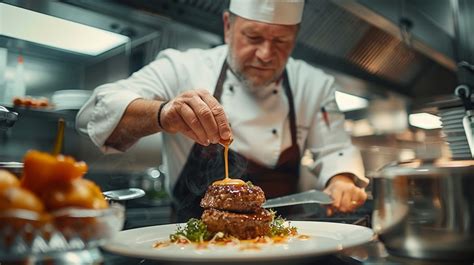
- Creating Height: Stacking or layering ingredients vertically adds dimension and makes the dish appear more substantial and artistic. Think of neatly piled roasted root vegetables or layered pasta.
- Focal Point Placement: Position the main component slightly off-center, drawing the eye towards it naturally.
- Flow and Movement: Imagine a line or curve that guides the eye across the plate, connecting different elements.
The Power of Garnish and Drizzle
Garnishes are not just an afterthought; they are essential finishing touches. A sprig of fresh parsley, cilantro, or basil can add a burst of color and freshness. A sprinkle of finely chopped chives, toasted sesame seeds, or a dusting of paprika can provide subtle texture and visual interest. Similarly, a strategic drizzle of olive oil, balsamic glaze, or a vibrant pesto can create beautiful patterns and enhance both flavor and aesthetics.
Choosing the Right Canvas: Plate Selection
The plate itself plays a significant role. White or neutral-colored plates often make colors stand out more vibrantly. Consider the shape and size – a larger plate allows for more negative space, enhancing elegance, while unique shapes can add a modern touch. Ensure the plate is clean and free of smudges before serving.
Practical Plating Tips for Simple Staples
Let’s apply these ideas to common simple ingredients:
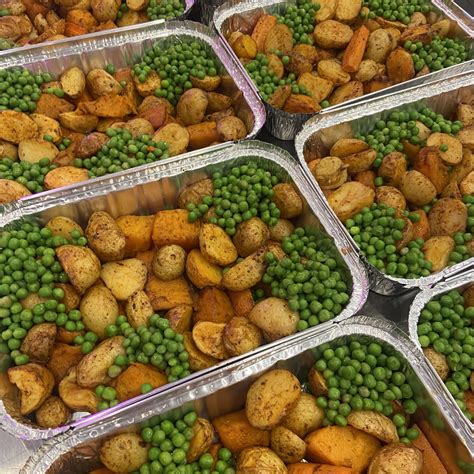
- Roasted Vegetables: Instead of haphazardly piling them, arrange roasted broccoli florets, carrots, and bell peppers in a neat stack or artfully scattered pattern. A sprinkle of fresh herbs and a lemon wedge can brighten the plate.
- Pasta Dishes: Use tongs to swirl pasta into a neat mound in the center of the plate, creating height. Garnish with a fresh basil leaf, a dusting of Parmesan, and a drizzle of good olive oil.
- Eggs: A fried egg can be presented atop a bed of neatly arranged avocado slices, beside some crisp toast cut into elegant soldiers, and sprinkled with chives and freshly ground black pepper.
Experiment with different arrangements. A spoonful of sauce artfully swiped across the plate, a neatly stacked tower of ingredients, or a minimalist arrangement with ample negative space – each tells a different story and appeals to different aesthetics. Practice makes perfect, and you’ll soon develop an intuitive sense for what looks good.

Conclusion: Taste with Your Eyes First
Making simple ingredients visually irresistible is an accessible skill that adds immense value to your cooking. By focusing on balance, contrast, height, thoughtful arrangement, and the judicious use of garnishes, you can transform everyday meals into memorable dining experiences. So, next time you’re in the kitchen, remember to not just cook with your hands, but plate with your eyes, and watch how even the simplest dish becomes a feast for all the senses.