What plating techniques make vibrant dishes visually pop for feeds?
The Art of Edible Aesthetics for Social Feeds
In today’s visually driven world, especially on platforms like Instagram and TikTok, a dish isn’t just about taste; it’s a spectacle. To truly make your culinary creations “pop” and garner engagement, mastering the art of food plating is essential. It’s about transforming food into an experience, where every element plays a role in telling a delicious story.
The Power of Color and Contrast
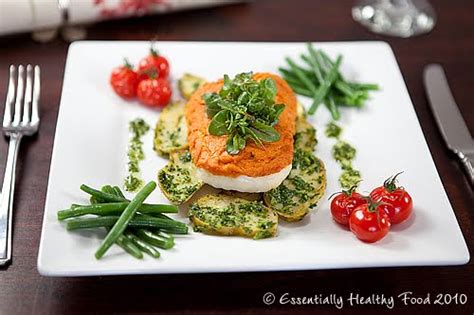
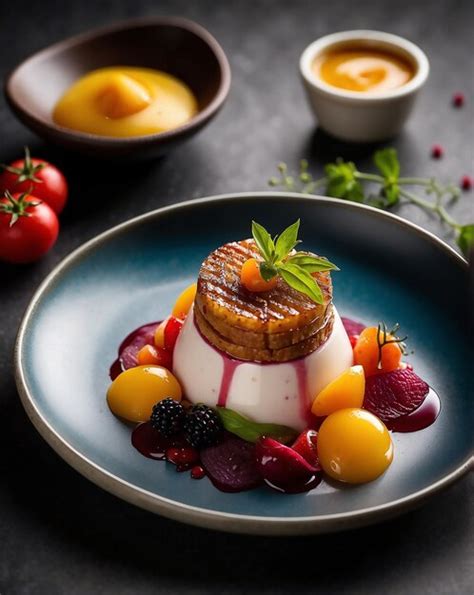
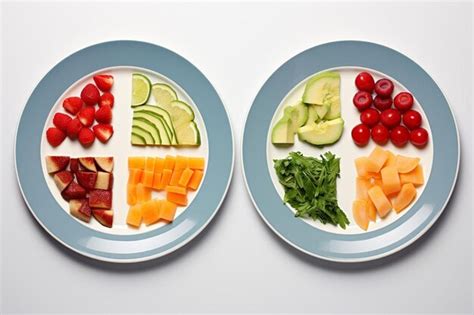
Color is arguably the most impactful element in making food visually appealing. Think vibrant reds of bell peppers, the sunny yellows of corn, or the deep greens of fresh herbs. Utilize a spectrum of colors naturally present in your ingredients. Don’t be afraid to introduce contrasting colors – a bright red tomato next to a creamy white mozzarella, or a purple cabbage slaw against grilled chicken. This contrast makes individual components stand out and creates dynamic visual interest.
Texture and Shape Play
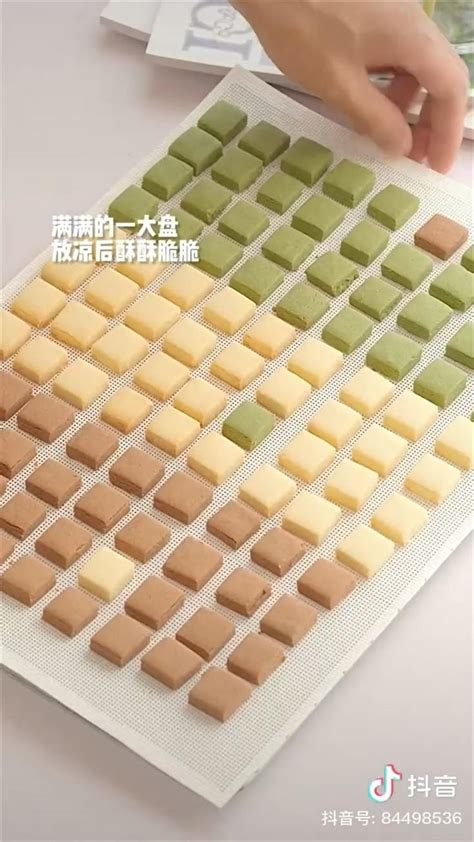
A dish with uniform texture can look monotonous. Introduce variety by incorporating different textures: the crispness of a fried onion, the smoothness of a purée, the crunch of toasted nuts, or the delicate flakiness of a pastry. Similarly, vary the shapes and sizes of your ingredients. Diced vegetables alongside julienned ones, whole berries next to a dollop of sauce – these variations create movement and depth on the plate, inviting the eye to explore.
Elevating with Height and Dimension
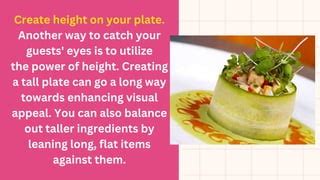
Flat dishes rarely impress. Adding height gives your creation a professional, sculptural quality. Think about stacking ingredients (like layering lasagna or building a tower with grilled vegetables), leaning components against each other, or mounding a salad strategically. Using rings or molds can help create perfect, uniform shapes that add to the vertical appeal. This dimension adds intrigue and makes the dish feel more substantial.
The Art of Garnishing and Saucing
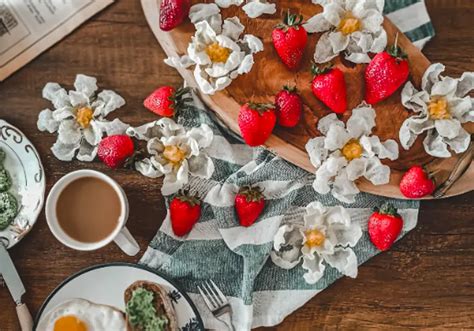
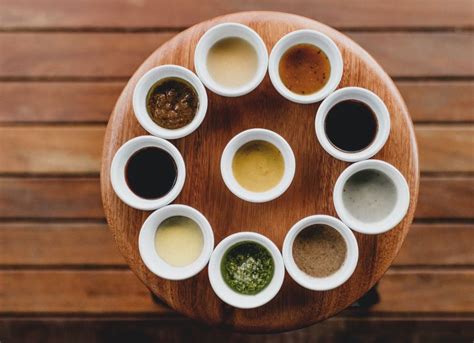
Garnishes are not just an afterthought; they are the jewelry of your dish. Fresh herbs like parsley, cilantro, or microgreens add color, freshness, and a delicate finish. Edible flowers can introduce unexpected beauty. When it comes to sauces, think precision. A controlled drizzle, an elegant swirl, or strategically placed dots can tie the dish together, add moisture, and enhance visual flow. A clean edge around a sauce element is often more appealing than a haphazard splash.
Mastering Negative Space and Composition
Just as important as what’s on the plate is what isn’t. Negative space, the empty area around your food, is crucial for allowing the dish to breathe and preventing a cluttered look. Arrange your components thoughtfully, perhaps following the “rule of thirds” to create an interesting focal point. A clean plate, wiped free of smudges or drips, provides the perfect canvas for your culinary artwork. Aim for balance and harmony, where each element feels intentionally placed.
Conclusion: Plate with Purpose
Making dishes visually pop for social feeds is a blend of culinary skill and artistic vision. By consciously employing techniques related to color, texture, height, garnishing, and composition, you can transform simple ingredients into captivating edible art. So, next time you’re in the kitchen, remember to plate with purpose – your followers (and your taste buds!) will thank you.