
What plating techniques make your home-cooked dishes photo-ready & vibrant?
Elevate Your Home Cooking: The Art of Plating
While the taste of a dish is paramount, its visual appeal significantly enhances the dining experience. For home cooks, mastering a few basic plating techniques can elevate a delicious meal from ordinary to extraordinary, making it not just enjoyable to eat but also Instagram-ready and vibrant. You don’t need to be a Michelin-starred chef; just a few thoughtful steps can make all the difference.
Choosing Your Canvas: The Right Plate
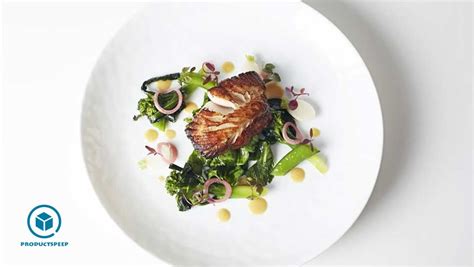
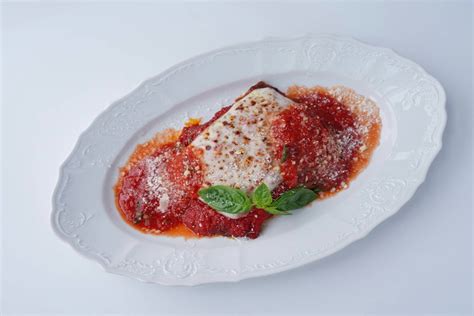
The plate itself is the foundation of your edible artwork. Opt for neutral-colored plates, typically white, as they allow the vibrant colors of your food to stand out without competing. Consider the size and shape: a plate too large can make a modest portion look sparse, while a plate too small can appear cluttered. An ample rim provides a natural frame and helps define the boundaries of your composition. Square or rectangular plates can add a modern touch, while classic round plates offer timeless elegance.

Composition and Balance: The Rule of Thirds
Just like in photography, the rule of thirds can guide your food placement. Imagine your plate divided into a 3×3 grid. Placing your main components where these lines intersect creates a more dynamic and visually interesting composition than simply centering everything. Aim for asymmetry and negative space; don’t overcrowd the plate. Your main protein often anchors the dish, with starches and vegetables arranged harmoniously around it.
Creating height adds dimension and drama. Instead of spreading everything flat, consider stacking or leaning components. For instance, a beautifully cooked steak can be sliced and fanned, leaning against a mound of mashed potatoes or a vibrant vegetable purée. This technique adds an architectural quality to your dish, making it more engaging to the eye.
Playing with Color and Texture
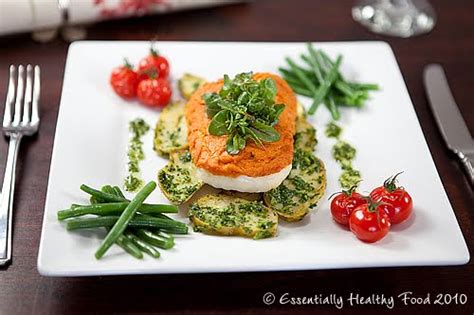
Vibrancy often comes from a thoughtful use of color. Aim for a palette that includes at least three distinct colors. If your main protein is brown, complement it with bright green herbs, red cherry tomatoes, or a yellow citrus zest. These contrasting colors not only make the dish pop but also signal a variety of fresh ingredients.
Texture is equally important for visual interest. A dish with varying textures—crisp, creamy, tender, crunchy—is far more appealing than one that’s uniformly soft. Think about adding toasted nuts, crispy fried shallots, fresh herbs, or a sprinkle of flaky sea salt to provide textural contrast and a pleasant mouthfeel that’s anticipated by the eye.

The Finishing Touches: Garnishes and Sauces
Garnishes are not just for show; they should complement the dish’s flavors. A sprig of fresh parsley, a sprinkle of chives, a lemon wedge, or a drizzle of a reduction can add a final flourish. Be mindful not to over-garnish; a little goes a long way. The garnish should enhance, not overpower.
Sauces can be used as a design element. Instead of merely dolloping, try elegant drizzles, swirls, or dots. A squeeze bottle or a spoon can help you create delicate patterns or trails across the plate, guiding the eye and adding sophistication. Ensure sauces are a consistent texture so they spread beautifully.

Cleanliness and Precision
Even the most perfectly arranged food can lose its appeal if the plate is messy. Always use a clean cloth or paper towel to wipe away any drips, smudges, or fingerprints from the rim of the plate before serving. A pristine plate frames your creation beautifully and shows attention to detail.
Practice Makes Perfect: Enjoy the Process
Plating is an art that improves with practice. Start by focusing on one or two techniques, like creating height or using contrasting colors, and gradually incorporate more. Don’t be afraid to experiment, have fun, and let your creativity shine. With these simple techniques, your home-cooked dishes will not only taste incredible but also look irresistibly photo-ready and vibrant, making every meal a celebration.