What plating techniques transform simple recipes into visual masterpieces?
In the world of cuisine, taste is paramount, but presentation is the first impression. Even the most humble ingredients can achieve star status when thoughtfully arranged on a plate. Mastering a few key plating techniques can transform a basic meal into an unforgettable dining experience, proving that we truly eat with our eyes first.
The Foundations of Food Presentation
Plating is more than just putting food on a dish; it’s an art form guided by principles of balance, focal points, and negative space. Think of your plate as a canvas. Start by considering the rule of thirds, imagining your plate divided into a tic-tac-toe grid. Placing your main protein off-center, perhaps at an intersection, creates a more dynamic composition.
Balance is key, not just in terms of weight distribution but also visually. Distribute colors, textures, and shapes harmoniously across the plate. Avoid overcrowding; negative space around your food allows each component to breathe and stands out, making the dish appear more refined and intentional.

Harnessing Color, Texture, and Contrast
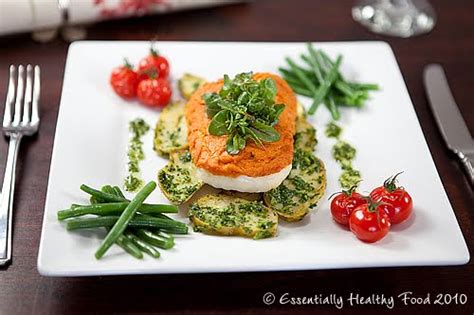
Vibrant colors are naturally appetizing. Incorporate a rainbow of fresh vegetables, herbs, and sauces to add visual excitement. Don’t be afraid to use contrasting colors; a bright red tomato next to a creamy white cheese or a vibrant green herb against a dark protein can make components pop.
Texture adds another layer of interest. A plate featuring only soft foods can be unappetizing. Introduce varying textures like crispy elements, creamy purees, crunchy garnishes, or tender meats to create a dynamic eating experience. Contrast is also crucial for flavors and temperatures, but visually, it prevents monotony and adds depth.

Mastering Sauce and Garnishes with Precision
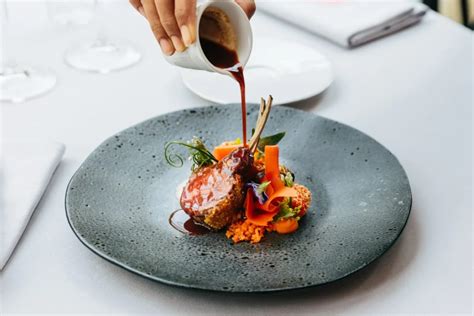
Sauces are not just for flavor; they are powerful plating tools. Instead of pouring sauce haphazardly, consider elegant drizzles, artful smears with the back of a spoon, or small pools strategically placed. A squeeze bottle can be your best friend for creating intricate patterns or delicate dots.
Garnishes should always be edible and enhance the dish’s flavor and appearance. A few sprigs of fresh herbs, a sprinkle of toasted nuts, edible flowers, or a lemon wedge can add a final flourish. Avoid over-garnishing; less is often more. Each garnish should have a purpose, contributing to the dish’s overall aesthetic and taste profile.
Tools and Techniques for Professional Touch
While not strictly necessary, some tools can significantly aid in achieving a professional finish. Squeeze bottles for sauces, ring molds for shaping ingredients, and even culinary tweezers for precise placement can elevate your plating game. Learning techniques like creating a perfect quenelle (a three-sided oval shape, often for soft foods like sorbet or purees) or forming a clean smear can dramatically improve your presentation.
Consider the height of your food. Stacking elements creates visual interest and makes a dish appear more generous and sophisticated. However, ensure stacks are stable and easy to eat. Think vertically, but always with practicality in mind.

Transforming Everyday Dishes with Simple Steps
Applying these principles to simple recipes is easier than you think. For a weeknight pasta, instead of a heap, twirl it into a neat mound, top with a single, perfectly cooked protein, a sprinkle of fresh Parmesan, and a basil leaf. For a simple salad, arrange greens, vegetables, and protein intentionally, rather than tossing them. A dollop of dressing artfully swirled can make all the difference.
Start small: focus on one or two plating elements per meal. Pay attention to the cleanliness of your plate edges; a pristine rim instantly elevates the look. With practice, these techniques will become second nature, allowing you to transform every meal into a feast for the senses, turning simple recipes into visual masterpieces.