What plating tricks elevate simple recipes for stunning visual appeal?
The Art of Plating: Turning Simple into Spectacular
Even the most delicious home-cooked meals can sometimes fall flat without a touch of visual magic. Plating isn’t just for Michelin-star chefs; it’s an accessible skill that can transform simple recipes into stunning culinary creations, delighting both the eyes and the palate. A well-plated dish elevates the dining experience, making every bite feel more special.
Harnessing Color and Contrast
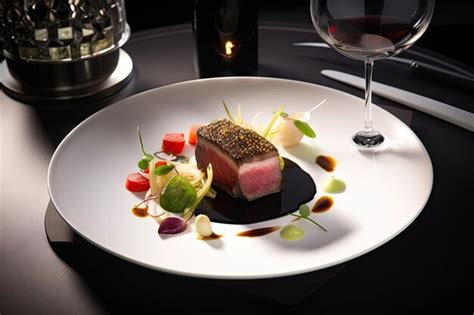
Color is perhaps the most immediate visual element. Think about how professional dishes often feature a vibrant array of hues. To elevate a simple recipe:
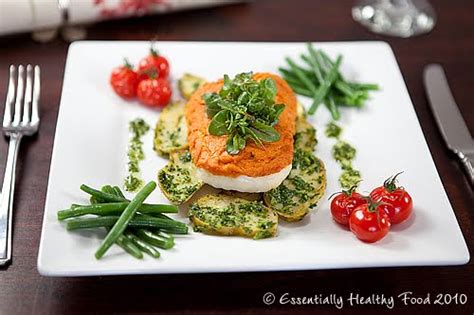
- Add Brightness: Incorporate fresh herbs (cilantro, parsley, chives), citrus zest, or finely diced colorful vegetables (bell peppers, cherry tomatoes) to add pops of color.
- Create Contrast: Pair light-colored foods with dark sauces, or vibrant ingredients with a neutral background. For example, a creamy pasta dish can be brightened with green basil and a sprinkle of red chili flakes.
- Natural Pigments: Utilize ingredients like beet juice for a natural red hue or turmeric for a golden touch in sauces or purees.
Building Texture and Height
Flat, monochromatic dishes rarely excite. Adding varying textures and dimensions instantly makes a dish more dynamic.
- Crisp Elements: Incorporate crunchy components like toasted nuts, croutons, crispy fried onions, or even a sprinkle of toasted seeds.
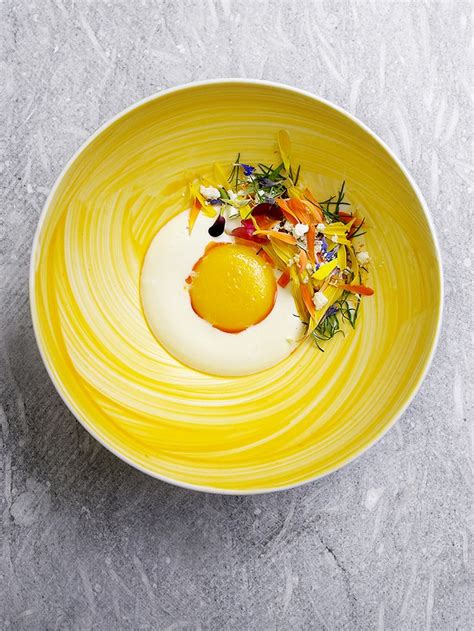
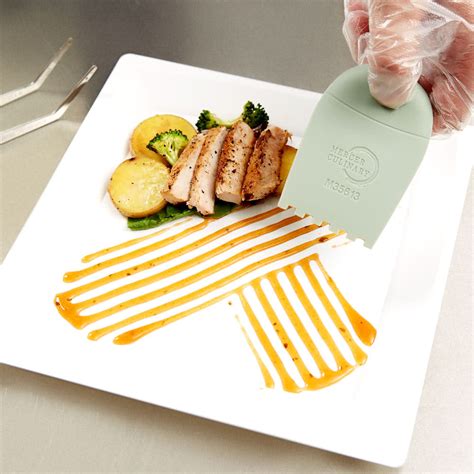
- Smooth Purees & Sauces: A swipe of a smooth vegetable puree (like sweet potato or pea) or a rich sauce can provide a contrasting base or a decorative element.
- Stacking & Layering: Instead of spreading everything flat, consider stacking ingredients. A simple burger looks more gourmet when its components are neatly layered and held together. Build height with proteins, starches, or even a strategic pile of greens.
Thoughtful Arrangement and Flow
The way ingredients are placed on the plate guides the diner’s eye.
- The Rule of Odds: Odd numbers of elements (e.g., three scallops, five asparagus spears) tend to be more visually appealing than even numbers.
- Focal Point: Choose one main ingredient or element to be the star and arrange other components around it, drawing the eye towards the center.
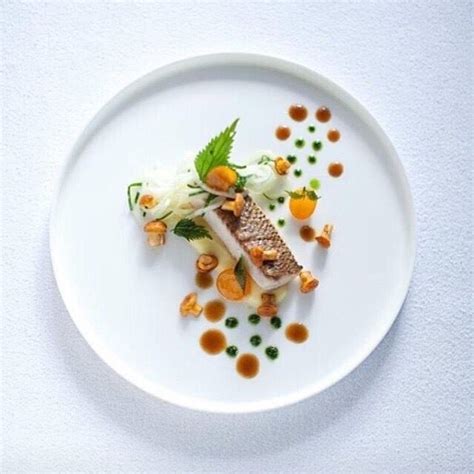
- Negative Space: Don’t overcrowd the plate. Leaving some empty space allows the dish to breathe and highlights the components you’ve chosen to present. Think of it as a canvas.
- Flow and Direction: Create a sense of movement. A swipe of sauce, a line of garnish, or ingredients arranged diagonally can guide the eye across the plate.
The Magic of Garnish and Finish
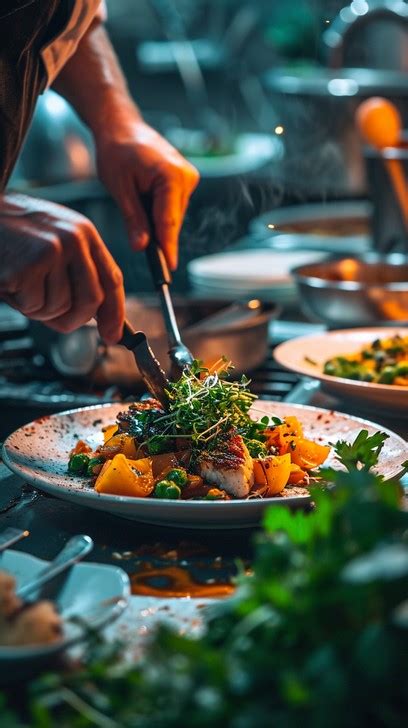
Garnishes are the final flourish that can tie the entire presentation together.
- Fresh Herbs: A sprig of fresh rosemary, a sprinkle of chopped chives, or a few basil leaves can add color, aroma, and a professional touch.
- Drizzles and Dots: A contrasting sauce or a balsamic glaze drizzled artfully over the dish, or small dots of a vibrant oil, can add visual interest.
- Dustings and Sprinkles: A light dusting of paprika, cocoa powder (for desserts), or a sprinkle of flaky sea salt can enhance both flavor and appearance.
- Edible Flowers: For certain dishes, edible flowers can add an unexpected touch of elegance and color.
Choosing the Right Canvas
The plate itself plays a significant role in presentation.
- Size Matters: Use a plate large enough to allow for negative space, but not so large that the portion looks meager.
- Color and Shape: White or neutral-colored plates are often preferred as they allow the food’s colors to stand out. Experiment with different shapes – square, rectangular, or irregular – to complement your dish.
- Clean Edges: Always wipe the rim of the plate clean before serving to ensure a polished look.
Conclusion
Elevating simple recipes through thoughtful plating is a rewarding endeavor. It transforms the act of eating into a multi-sensory experience, making everyday meals feel like a special occasion. By focusing on color, texture, height, arrangement, and finishing touches, you can easily turn basic dishes into visually stunning masterpieces. Start experimenting with these tricks, and watch your culinary creations come to life!