What plating tricks make my recipes look magazine-worthy like your visuals?
Ever wondered how professional chefs and food stylists make even the simplest dishes look like edible works of art? It’s not magic; it’s a careful application of plating principles that you can easily learn and implement in your own kitchen. Elevating your food’s visual appeal isn’t just about showing off; it enhances the dining experience, making meals more enjoyable and memorable before the first bite is even taken.
The Fundamentals of Food Presentation
Before diving into specific techniques, understand the core elements that make a dish visually appealing. These are your foundational building blocks for magazine-worthy plating:
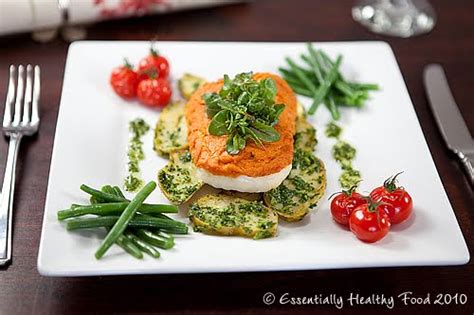
- Color: A vibrant plate is an inviting plate. Aim for a variety of colors through different ingredients, ensuring they complement each other. Think about contrasting colors (e.g., red bell pepper against green pesto) and how they pop.
- Texture: Incorporate different textures to add interest. A dish with varying degrees of crunch, creaminess, and tenderness is more engaging. This also translates visually, as different textures reflect light differently.
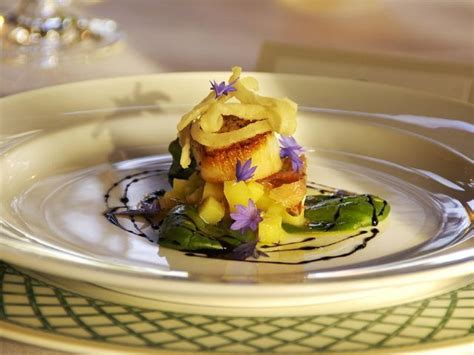
- Height: Flat food looks uninspired. Building height adds dimension and drama to your plate. Think about stacking ingredients or arranging them in a way that creates a vertical element.
- Contrast: This applies beyond color to shape, size, and even temperature. A small, delicate garnish next to a larger, robust protein creates visual interest.
- Negative Space: Don’t crowd the plate. Leaving some empty space, known as negative space, allows each element to stand out and gives the dish a clean, sophisticated look. It guides the eye to the focal point.

Essential Plating Techniques
Now, let’s get practical with techniques you can apply to almost any recipe.
Choose Your Canvas Wisely
The plate itself is crucial. White plates are often preferred as they provide a neutral background that makes colors pop. Consider the shape and size: large plates allow for more negative space, while smaller bowls can be excellent for compact, layered dishes. Don’t be afraid to experiment with different plate colors (e.g., black for vibrant green dishes) or textures, but always ensure they enhance, not detract from, the food.
The Art of Arrangement
Think about composition. Many chefs use the ‘rule of thirds’ or imagine a clock face to guide placement. For example, protein at 6 o’clock, starch at 10 o’clock, and vegetables at 2 o’clock. Arrange ingredients in odd numbers (e.g., 3 scallops, 5 asparagus spears), as this tends to be more aesthetically pleasing than even numbers. Create a focal point, typically the most important ingredient, and build around it.

Master the Garnish
Garnishes aren’t just for show; they should add flavor, texture, or aroma. Fresh herbs (parsley, cilantro, chives) are classic for their vibrant color and fresh taste. A sprinkle of toasted nuts or seeds can add crunch. A drizzle of a contrasting sauce or a dusting of spice (like paprika on hummus) can complete a dish. Use garnishes sparingly and intentionally; too much can make a plate look cluttered.
Build Up, Not Out
As mentioned, height is key. Instead of spreading ingredients flat, stack them. For instance, layer a few pieces of protein, then artfully arrange vegetables and a sauce on or around them. Use rings or molds for perfect towers of rice or purées. This technique makes the dish feel more substantial and visually appealing.
Wipe It Clean
This is a non-negotiable step for magazine-worthy plating. Before serving, always inspect the rim of your plate. Use a clean, damp cloth or paper towel to wipe away any drips, smudges, or fingerprints. A pristine plate border makes a huge difference in presentation.

Tools and Practice
While not strictly necessary, some tools can make plating easier: squeeze bottles for sauces, plating spoons for precise drizzles, and even kitchen tweezers for delicate placement of small garnishes. More importantly, practice is essential. Start by experimenting with dishes you already make, focusing on one or two plating principles at a time. Take photos of your creations to review and learn from, just as a professional stylist would.

By incorporating these simple yet powerful plating tricks into your cooking routine, you’ll be amazed at how much more appetizing and impressive your recipes become. Food is meant to be enjoyed with all the senses, and a beautifully plated dish is the first step to a truly delightful culinary experience.