What practical photo tips ensure Visual Bites authentically showcase real food appeal to foodies?

Capturing Culinary Authenticity: Photo Tips for Foodies
In the vibrant world of food media, ‘Visual Bites’ are more than just pretty pictures; they are a direct invitation to taste, experience, and savor. For foodies, authenticity is paramount. They seek genuine deliciousness, not just visually perfect but sterile images. To truly resonate with a foodie audience, your food photography must transcend mere aesthetics and authentically showcase the inherent appeal of real food. This means focusing on techniques that highlight texture, freshness, and the true character of a dish, making viewers almost smell and taste the food through their screens.
Harness the Power of Natural Lighting
The single most impactful element in authentic food photography is lighting. Ditch harsh flashes and embrace natural light. Soft, diffused natural light from a window can transform a dish, enhancing its textures and true colors without creating distracting shadows or reflections. Position your food near a window, using a sheer curtain or a diffuser to soften direct sunlight. Experiment with side or backlighting to create depth and highlight steam or delicate edges, adding an irresistible, dynamic quality to your ‘Visual Bite’.
Thoughtful Plating and Composition
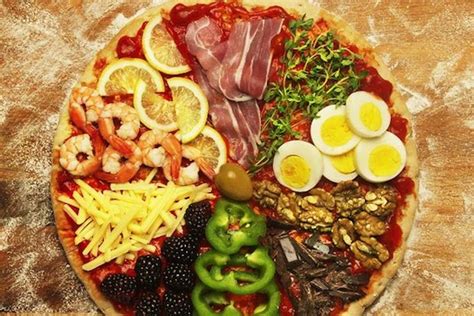
Before you even click the shutter, thoughtful plating sets the stage. Focus on the star ingredient, using negative space to draw the eye. Arrange elements organically, as if the dish was just served and ready to be enjoyed. For composition, the rule of thirds is a timeless guide, but also consider the angle. An overhead ‘flat lay’ works wonderfully for dishes with many components, like a breakfast spread or a pizza. A 45-degree angle often suits bowls and plates, offering a balanced view, while eye-level shots can make drinks or stacked items feel more intimate and inviting. Don’t be afraid to show a slight imperfection or a crumb – it adds to the realness.
Emphasize Texture and True Colors
Foodies eat with their eyes, and texture is a huge part of that appeal. Is it crispy, gooey, flaky, or juicy? Use shallow depth of field to bring out intricate details, allowing the viewer to almost feel the crunch of a perfectly fried chicken or the smooth silkiness of a custard. Similarly, true-to-life colors are crucial. Over-saturating or manipulating colors too much can make food look artificial. Ensure your white balance is correct to present ingredients in their most appetizing, natural state. A slightly imperfect, but genuinely colored and textured image often trumps a technically perfect but lifeless one.

Tell a Story and Create a Mood
Every ‘Visual Bite’ can tell a story. Consider the context and mood you want to convey. Are you showcasing a cozy comfort food, a vibrant summer salad, or an elegant dessert? Use minimal, relevant props that complement, rather than distract from, the food. A worn cutting board, a linen napkin, a rustic fork, or even a subtle hand reaching for a piece of food can add warmth and a sense of human connection. Steam rising from a hot dish, condensation on a cold drink – these dynamic elements evoke freshness and immediacy, inviting the viewer into the moment.
Subtle Post-Processing for Enhancement, Not Transformation
Post-processing should be about enhancing the natural appeal of your food, not about creating an entirely new image. Gentle adjustments to exposure, contrast, shadows, and highlights can bring out the best in your photo. A slight boost in clarity can make textures pop, and careful white balance correction ensures colors are accurate. Avoid heavy filters or aggressive edits that strip the food of its authenticity. The goal is to make the food look its absolute best, while still being recognizable and genuinely appetizing, ensuring your ‘Visual Bites’ remain true to their delicious essence.
By focusing on natural light, thoughtful plating, textural detail, storytelling, and subtle editing, you can create ‘Visual Bites’ that authentically communicate the deliciousness of real food. These practical tips don’t just make your photos look good; they make them feel good, compelling foodies to stop, drool, and perhaps even seek out the dish themselves.