What practical plating techniques make homemade recipes look gourmet?
The Art of Presentation: Turning Homemade into High-End
Preparing a delicious meal is only half the journey; how you present it plays an equally crucial role in the dining experience. Just like a beautifully wrapped gift, a thoughtfully plated dish tantalizes the senses before the first bite, making even the simplest homemade recipes feel special and gourmet. You don’t need a professional kitchen or culinary degree to master these practical plating techniques. With a few intentional steps, you can transform your everyday meals into visual masterpieces.
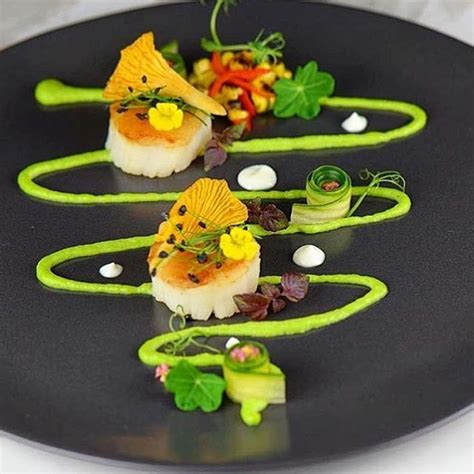
Choose Your Canvas Wisely: The Plate Matters
Before you even begin arranging food, consider your plate. The choice of plate can dramatically impact the final look. White plates are often preferred by chefs because they allow the colors of the food to pop, but don’t shy away from other neutral tones or even patterned plates if they complement your dish.
- Size: Don’t overcrowd. Use a plate large enough to give your ingredients space, allowing for negative space around the food to draw attention to the main components.
- Shape: Round plates are classic, but square or rectangular plates can offer a modern aesthetic. Experiment with what suits your dish.
- Cleanliness: Always wipe the rim of your plate clean before serving. Stray drips or smudges can instantly detract from an otherwise beautiful presentation.
Mastering Arrangement: Building Height and Focus
Once you have your canvas, it’s time to arrange. Think of your plate as a clock, with the main protein at 6 o’clock, vegetables at 2 o’clock, and starch at 10 o’clock, or simply focus on creating visual balance.
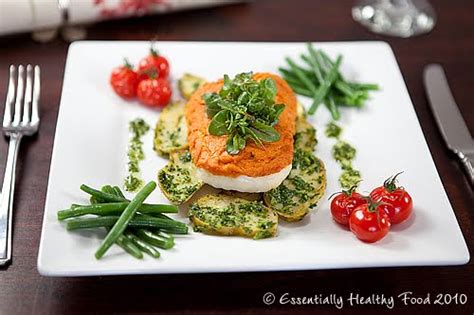
Building Height: Instead of spreading food flat, think vertically. Stacking ingredients, like layering a piece of fish on top of a bed of risotto, or fanning sliced chicken breast, adds dimension and makes the dish look more substantial and professional. Using a ring mold for starches or salads can also create perfect, uniform cylinders.
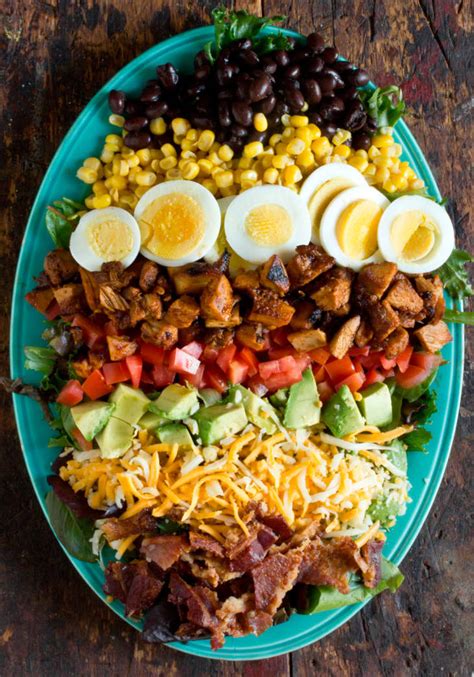
Creating a Focal Point: Every dish should have a star. Position your main protein or most vibrant component in a way that immediately catches the eye. The ‘rule of thirds’ can be applied here, positioning key elements off-center rather than squarely in the middle, creating a more dynamic composition.
Adding Texture, Color, and Contrast: The Finishing Touches
A gourmet dish isn’t just about taste; it’s also about a variety of textures and colors that keep the eye engaged. Think about how different components contrast with each other.
- Garnishes: A sprinkle of fresh herbs (parsley, chives, cilantro) adds a pop of color and freshness. Citrus zest can brighten both the look and flavor. Edible flowers can add an unexpected touch of elegance.
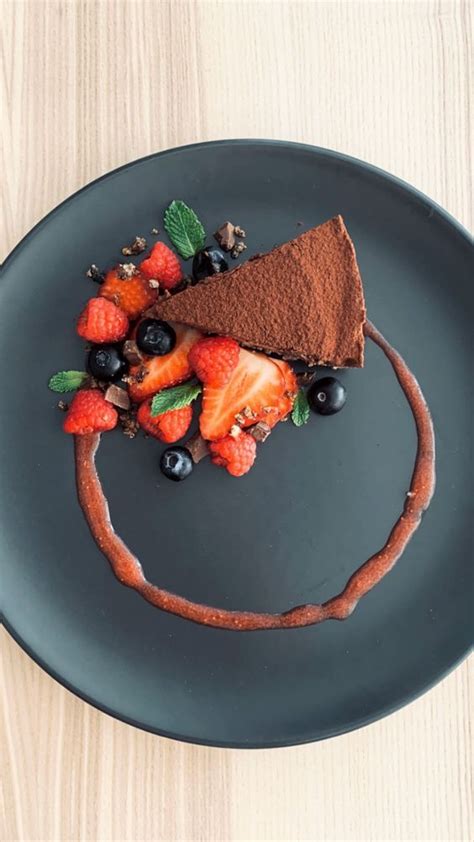
- Sauces and Drizzles: Don’t just pour sauce over everything. Use squeeze bottles or spoons to create deliberate patterns – a swirl under the main ingredient, a zigzag across the plate, or small dots strategically placed. A contrasting sauce color can highlight components beautifully.
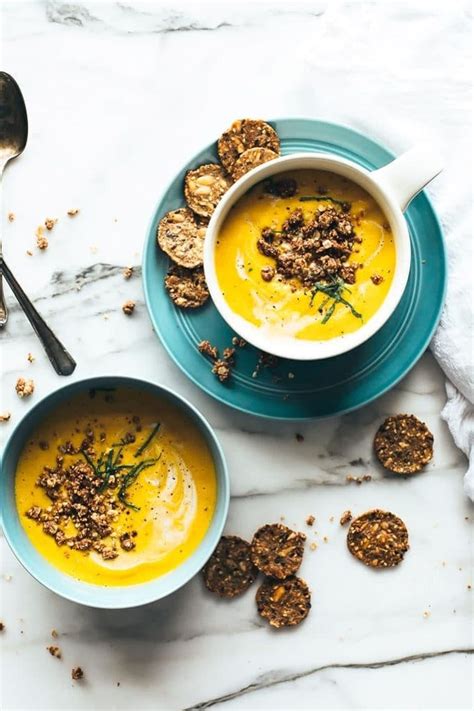
- Crunch and Garnish: Toasted nuts, croutons, crispy fried onions, or even a sprinkle of sea salt can add textural interest and a final touch of sophistication.
Practical Tips for Home Cooks
Don’t be intimidated! Plating is a skill that improves with practice. Start with simple techniques and build from there.
- Keep it Clean: Always have a damp cloth or paper towel handy to wipe away any drips or smears on the plate before serving.
- Less is More: Don’t overload the plate with too many elements or too much food. A few well-placed components are more impactful than a chaotic mess.
- Think About the Ingredients: Consider the natural shapes and colors of your ingredients. How can you arrange them to enhance their appeal?
- Temperature Control: Serve hot food hot and cold food cold. This might mean having your plates warm for hot dishes.
- Practice Makes Perfect: The more you plate, the more intuitive it becomes. Don’t be afraid to experiment!
Conclusion
Transforming your homemade meals into gourmet experiences doesn’t require a complete culinary overhaul. By incorporating practical plating techniques – from thoughtful plate selection and strategic arrangement to the artful application of garnishes and sauces – you can significantly elevate the visual appeal of your dishes. The effort you put into presentation speaks volumes, making every meal feel like a special occasion and impressing your diners before they even take the first bite. So, grab your tongs, your squeeze bottle, and start plating like a pro!