What pro tips enhance color vibrancy & texture for stunning recipe visuals?
In the visually driven world of culinary arts, a recipe is only as enticing as its photograph. Beyond just taste, the visual presentation of food plays a critical role in drawing in audiences and inspiring them to create. Achieving stunning recipe visuals hinges on understanding how to maximize color vibrancy and accentuate texture. This guide unveils professional tips to elevate your food photography, transforming simple dishes into irresistible culinary masterpieces.

Master the Light: The Foundation of Vibrancy
The single most important element in food photography is light. Natural, soft, and diffused light is almost always your best friend. Position your food near a large window, ideally out of direct sunlight, to achieve even illumination that highlights colors without creating harsh shadows or blown-out highlights. Use diffusers (like a sheer curtain or a professional diffuser panel) to soften the light and reflectors (white foam board works wonders) to bounce light into shadow areas, opening them up and revealing more detail and color.
Ingredient Selection & Preparation: Color From the Start
Stunning visuals begin long before the camera comes out. Always opt for the freshest, highest-quality ingredients. Vibrant, ripe produce will naturally photograph better than dull, wilting alternatives. Pay attention to cooking methods: blanching vegetables briefly can intensify their color, while careful roasting can create beautiful caramelization and crisp textures. For salads, dress just before shooting to maintain a fresh, glossy look. Keep wet ingredients moist and crisp ingredients crisp right up until the final click.
Strategic Plating & Composition: Telling a Story
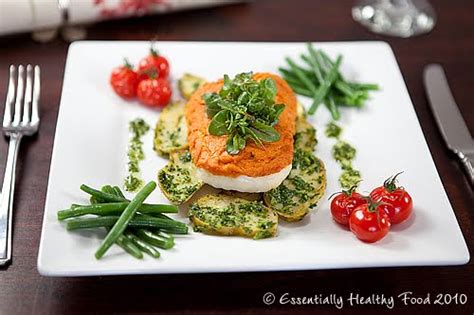
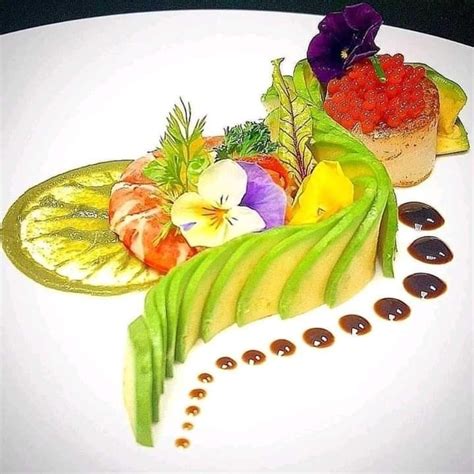
Plating is an art form. Think about composition: the rule of thirds, leading lines, and negative space can all draw the viewer’s eye. Arrange ingredients intentionally to showcase their best angles and colors. Add height and layers to create depth and interest. A drizzle of sauce, a sprinkle of fresh herbs, or a dusting of powdered sugar can add a professional finish and highlight specific textures. Remember to keep the plating clean and precise; stray crumbs or smudges can detract from the overall appeal.
Textural Tactics: Adding Depth and Appeal
Texture is what makes food look appetizing and real. Pro stylists emphasize contrasting textures. Think about a crunchy topping on a creamy soup, or the glistening juice from a perfectly cooked piece of meat. Use garnishes like toasted nuts, fresh herbs, flaky sea salt, or a sprinkle of cheese to visually communicate texture. Capturing subtle details like the slight crisp of a roasted potato or the soft crumbliness of a cake slice can significantly enhance the visual narrative. Sometimes, a gentle spritz of water can make produce look freshly washed and vibrant, enhancing its texture.

Props & Backgrounds: Subtle Enhancement
While the food is the star, thoughtfully chosen props and backgrounds can enhance the overall visual without overshadowing the dish. Opt for minimalist, neutral props and surfaces that complement, rather than compete with, the food’s colors and textures. Natural materials like wood, linen, or ceramic can add an organic feel. Ensure props are clean and scratch-free. Use contrasting or complementary colors subtly to make the food pop, but avoid anything overly busy that distracts from the main subject.
Post-Production Prowess: Refinement, Not Reinvention
Even with perfect lighting and styling, a touch of post-production can elevate your visuals further. Focus on subtle adjustments: correct white balance for accurate colors, adjust exposure and contrast to add depth, and selectively boost saturation to enhance vibrancy without making the food look artificial. Sharpening can bring out textural details, but use it sparingly to avoid a grainy look. The goal is always to enhance the natural beauty of the food, not to create something that wasn’t there.
Mastering the art of food photography for recipes is an ongoing journey of learning and experimentation. By focusing on light, selecting superior ingredients, precise plating, emphasizing texture, wise prop selection, and thoughtful post-production, you can consistently produce stunning recipe visuals that truly stand out. Each element works in harmony to create an image that not only looks delicious but also inspires action in your audience.