What quick lighting hack makes Visual Bites’ food textures pop for discerning foodies?
The Quest for Irresistible Food Textures
In the competitive world of food presentation, simply showing a dish is no longer enough. Discerning foodies, who eat first with their eyes, crave a sensory experience that promises flavor and quality. This is where Visual Bites excels, transforming ordinary food photography into a vibrant, mouth-watering spectacle. The secret isn’t complex, expensive equipment, but rather a clever lighting hack that makes every crumb, every glaze, and every delicate grain of a dish truly pop.
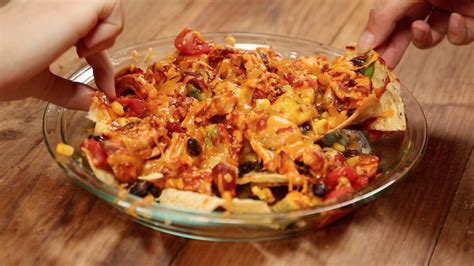
Many food photos fall flat, failing to convey the tactile richness of a dish. Textures – whether the crispiness of fried chicken, the silky sheen of a sauce, or the delicate crumb of a pastry – are often lost, resulting in images that lack depth and appeal. Visual Bites recognized this challenge and honed a technique that brings these crucial elements to the forefront, captivating anyone who lays eyes on their culinary creations.
The Game-Changing Sidelight Technique
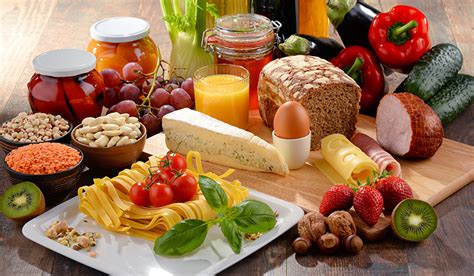
The quick lighting hack that Visual Bites leverages with masterful precision is directional sidelighting. Instead of placing the light source directly in front of or behind the food, it’s positioned to the side, typically at a 45 to 90-degree angle relative to the camera. This strategic placement is key to enhancing texture because it creates distinct shadows and highlights.
When light hits a textured surface from the side, it naturally carves out the contours and irregularities of the food. Ridges cast small shadows, while raised areas catch the light, creating a strong sense of depth and dimension that front-on lighting simply cannot achieve. This technique makes elements like grill marks, flaky pastry layers, or the subtle veins of a leafy green incredibly prominent and appealing.
Mastering Shadows and Highlights
The magic of sidelighting lies in its ability to sculpt with light and shadow. The pronounced shadows it creates are not detrimental; rather, they are essential. These shadows define the edges and valleys of food, making textures tactile and inviting. The contrast between bright highlights and deep shadows is what gives the food a three-dimensional quality, inviting the viewer to imagine its mouthfeel.
To perfect this hack, Visual Bites often uses a reflector or a subtle fill light on the opposite side of the main light source. This prevents shadows from becoming too harsh or completely black, ensuring that even the shaded areas retain some detail and richness. The goal is defined contrast, not stark darkness, allowing the texture to be clearly seen without being overwhelmed.
Beyond the Main Light: Angles and Diffusion
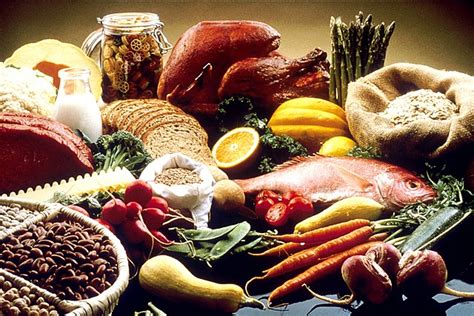
Experimentation with the exact angle of the sidelight is crucial. Moving the light source slightly forward or backward can dramatically change how textures are emphasized. A light positioned further back might create longer, more dramatic shadows, while one slightly more frontal but still to the side might offer a softer yet still defined texture pop.
Furthermore, diffusion plays a vital role. While direct light can be too harsh, a diffused sidelight – achieved with a softbox or diffusion panel – creates softer transitions between light and shadow. This results in an elegant, professional look that highlights texture without creating distracting glare or overly stark contrasts. It’s about revealing texture gracefully.
Why This Works for Discerning Foodies
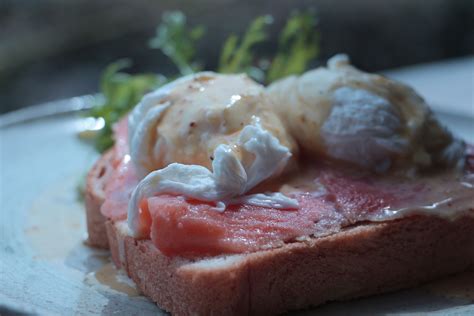
For discerning foodies, the visual presentation is a precursor to the culinary experience. When textures pop, it communicates freshness, preparation method, and the promise of a delightful mouthfeel. A crispy crust that looks genuinely crispy, or a tender protein that appears succulent, instantly elevates the perceived quality of the dish. This quick lighting hack doesn’t just make food look good; it makes it look *delicious*.
Visual Bites understands that engaging the visual sense deeply influences appetite. By consistently employing this sidelighting technique, they transform flat images into dynamic, textural masterpieces that speak directly to the cravings of food lovers. It’s a testament to how a simple, well-executed technique can yield profound visual and psychological impact.
Conclusion
The quick lighting hack that makes Visual Bites’ food textures pop for discerning foodies is the strategic use of directional sidelighting, often complemented by reflectors and diffusion. This technique carves out the intricate details of food, creating appealing highlights and shadows that convey depth, quality, and an irresistible promise of flavor. It’s a powerful reminder that sometimes, the most effective solutions are also the simplest.