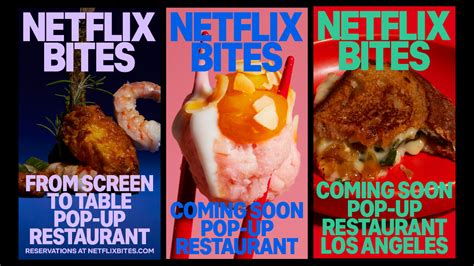
What quick visual elements make a ‘Bite’ irresistible for foodie recipe clicks?
In the bustling digital landscape of food blogs, social media feeds, and recipe platforms, captivating visuals are no longer a luxury—they are a necessity. For a recipe to stand out and generate clicks, its accompanying imagery must do more than just show the dish; it must make viewers salivate, spark curiosity, and compel them to learn more. This article delves into the quick visual elements that transform a mere food photo into an irresistible ‘Bite’ for hungry eyes and eager fingers.
Mastering the Art of Lighting
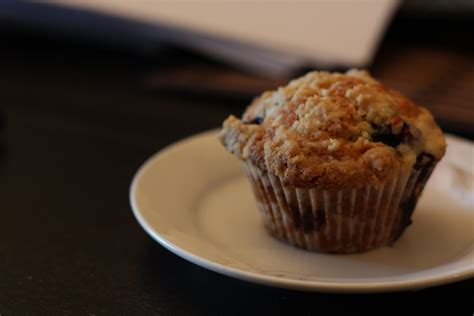
Lighting is arguably the most critical component in food photography. Natural light, especially soft, diffused daylight near a window, is often the gold standard. It creates appealing shadows and highlights that give food depth and dimension, making it look fresh and appetizing. Avoid harsh direct sunlight, which can create unflattering shadows and blow out details.
For those without access to ideal natural light, a well-placed artificial light source with a diffuser can mimic the soft glow of daylight. The goal is to illuminate the food evenly, accentuating its best features without creating a flat or unappealing look. Think about the ‘golden hour’ for a warm, inviting glow, or a bright, crisp light for fresh salads and vibrant fruits.
Composition That Commands Attention
The way a dish is framed can drastically impact its appeal. A strong composition guides the viewer’s eye and highlights the hero of the shot. The rule of thirds is a classic guideline: imagine dividing your image into nine equal segments with two horizontal and two vertical lines, then place key elements along these lines or at their intersections.
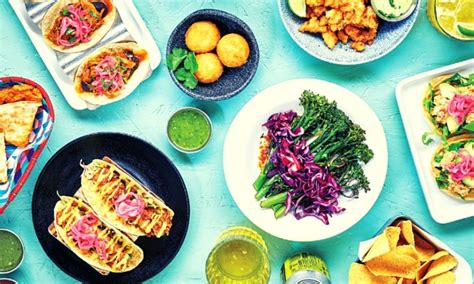
Close-ups are incredibly effective for showcasing texture and detail, making viewers feel closer to the food. Overhead shots (flat lays) work wonderfully for telling a broader story, displaying multiple ingredients, or dishes arranged aesthetically. Dynamic angles, such as a ¾ view, can add depth and movement, making the food appear more interactive and inviting. Don’t be afraid to experiment with different perspectives to find the most flattering one.
The Psychology of Color and Contrast
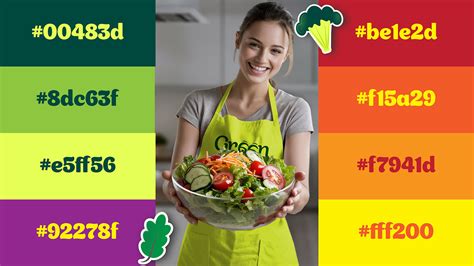
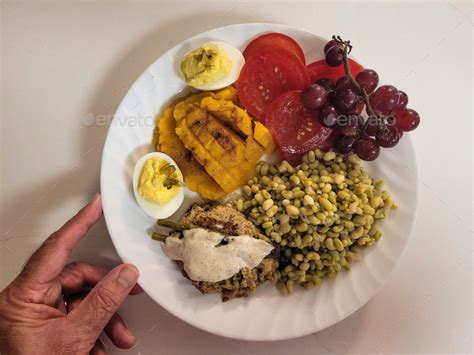
Colors are powerful drivers of appetite and emotion. Vibrant, natural colors in food signal freshness and flavor. Think of the rich red of a tomato, the deep green of spinach, or the bright yellow of a lemon. Utilizing complementary colors in your plating or background can make your main subject pop. For example, a bright orange dish against a deep blue background creates visual excitement.
Contrast isn’t just about color; it’s also about light and shadow, and the juxtaposition of different elements. A perfectly seared steak with a crisp, green garnish, or a creamy soup sprinkled with crunchy croutons, creates a satisfying visual texture that translates into perceived taste. Ensure your plating creates visual interest without looking cluttered.
Highlighting Irresistible Texture and Detail
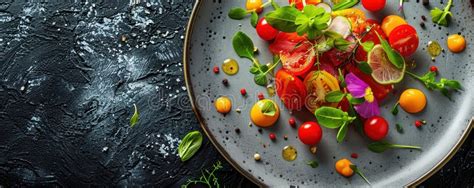
Food isn’t just about how it tastes; it’s also about how it feels in the mouth, and visuals can evoke this sensation. Capturing texture is key. Think of the glistening glaze on a pastry, the delicate steam rising from a hot bowl of soup, the bubbling cheese on a pizza, or the crispy edges of a fried dish. These details tell a story about the food’s quality and freshness.
Macro shots or strategically placed focus can draw attention to these alluring textures. A sprinkle of fresh herbs, a drizzle of sauce, or a perfectly melted piece of chocolate can add layers of visual interest and make the dish seem more appealing and delicious. Don’t underestimate the power of a single, well-chosen detail.

Props and Storytelling: Setting the Scene
Props, when used thoughtfully, can enhance the visual narrative without overpowering the food. Simple, understated props like a rustic cutting board, a linen napkin, or a vintage fork can add character and context. The key is to choose props that complement the dish and the overall mood you want to convey. Too many props, or props that clash, can distract from the main subject.
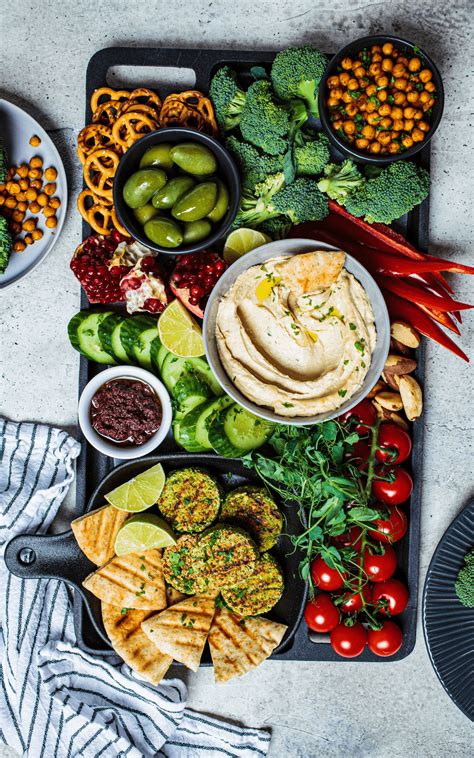
Consider the story you want to tell. Is it a cozy winter meal, a fresh summer salad, or a gourmet dessert? Use backgrounds and props to reinforce this theme. A scattering of fresh ingredients used in the recipe can also add authenticity and guide the viewer to imagine the preparation process, making the recipe feel more attainable and exciting.
The Final Polish: Smart Post-Production
Even the best raw photos can benefit from a touch of post-production. Adjusting brightness, contrast, and white balance can make colors pop and details sharper. A slight boost in saturation can bring out the vibrancy of ingredients, but beware of over-editing, which can make food look artificial and unappetizing. The goal is to enhance the natural beauty of the food, not to distort it.
Cropping and straightening can refine your composition, removing distractions and focusing the viewer’s eye. Sharpening can bring out fine details like crispy edges or tiny sprinkles. Remember, the editing process should always aim to make the food look as delicious in the photo as it does in real life, encouraging that coveted click.
In conclusion, creating irresistible food visuals for recipe clicks is a blend of artistry and technical know-how. By focusing on proper lighting, thoughtful composition, vibrant colors, tantalizing textures, strategic props, and careful post-production, you can transform your food photography into a powerful magnet for engagement, turning viewers into eager cooks and devoted followers.