What recipe adjustments make ingredients pop visually for stunning food photography?
The Art of Cooking for the Camera
Creating food that looks as good as it tastes is a cornerstone of modern culinary practice, especially when it comes to food photography. While deliciousness is paramount, the camera often demands a little extra consideration. Simple recipe adjustments can elevate your dish from merely appetizing to truly breathtaking, making ingredients pop with vibrancy, texture, and allure.
Maximizing Color and Vibrancy
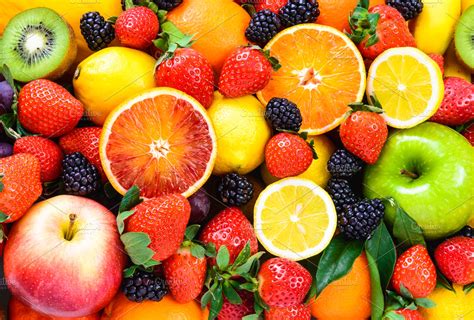
Color is arguably the most impactful visual element in food photography. To ensure your ingredients burst with natural hues, start with the freshest produce available. For vegetables, a quick blanching can intensify their color without overcooking, locking in their vibrant greens, reds, and oranges. Avoid prolonged cooking times that can dull colors and make food appear lifeless. When possible, use ingredients with naturally high contrast, like bright red tomatoes against fresh green basil, to create immediate visual interest.
Enhancing Texture and Form
Texture provides depth and interest, communicating sensations like crispiness, tenderness, or creaminess to the viewer. When preparing food for photography, focus on preserving or enhancing these textures. For instance, roast vegetables just until they’re tender-crisp with appealing caramelized edges, rather than mushy. Frying items to a golden-brown crisp, or carefully slicing ingredients to showcase their internal structure (like the layers of an onion or the marbling of meat), can make a significant difference. Pay attention to neatness in cuts and maintaining the structural integrity of your food.
The Power of Moisture and Glisten
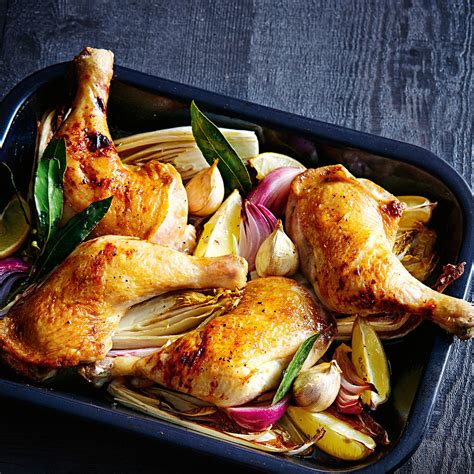
A touch of moisture and a subtle sheen can make food look incredibly appetizing and fresh. Brushing cooked meats with a little oil or pan drippings just before shooting can give them a beautiful, healthy sheen. A light mist of water on fresh produce can mimic morning dew, enhancing its freshness. For baked goods, a simple sugar glaze or egg wash can create an irresistible glistening surface. Even a spoonful of sauce or gravy artfully placed can add a luxurious, moist appearance to your dish, making it look more succulent and inviting.

Strategic Garnishing and Freshness
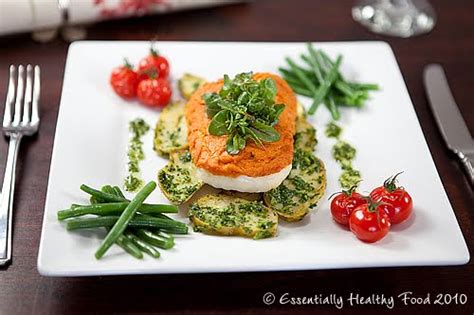
Garnishes are not just for decoration; they are a powerful tool to add a final burst of color, texture, and perceived freshness. Add fresh herbs, citrus zest, a sprinkle of sea salt, or a drizzle of high-quality olive oil just before the camera rolls. These last-minute additions ensure they look vibrant and unblemished. Consider contrasting garnishes – a sprinkle of dark pepper on a light sauce, or bright microgreens on a rich dish – to draw the eye and add dynamic appeal.
Creating Visual Contrast and Depth
Contrast is key to making elements stand out. This applies to color, texture, and even height. Think about plating your food to create varying heights and depths, rather than a flat presentation. Use background elements or plates that contrast with your food’s color without overpowering it. For instance, a dark sauce beneath a light protein, or a rustic wooden board under a vibrant salad, can make your main subject pop. These thoughtful adjustments ensure each ingredient contributes to a visually compelling narrative.
By thoughtfully applying these recipe adjustments, you’re not just cooking; you’re crafting a visual story. Each tweak, from choosing the freshest ingredients to carefully considering garnishes and glisten, plays a vital role in transforming your culinary creations into stunning photographic masterpieces that captivate and inspire.