What recipe methods ensure my finished dishes are visually vibrant?
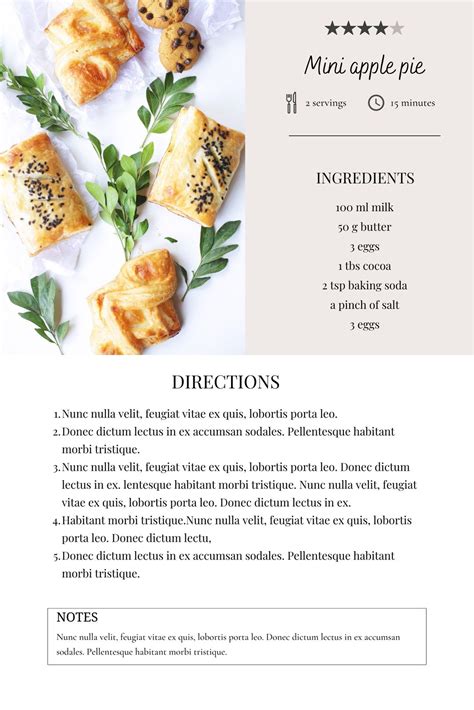
The Art of Cooking with Color: Making Your Dishes Pop
In the culinary world, we often say we eat with our eyes first. A dish that looks appealing instantly whets the appetite and elevates the dining experience. Achieving visually vibrant dishes goes beyond mere presentation; it’s a thoughtful integration of ingredients, cooking techniques, and finishing touches throughout the entire recipe process. Let’s delve into the methods that transform ordinary meals into edible works of art.
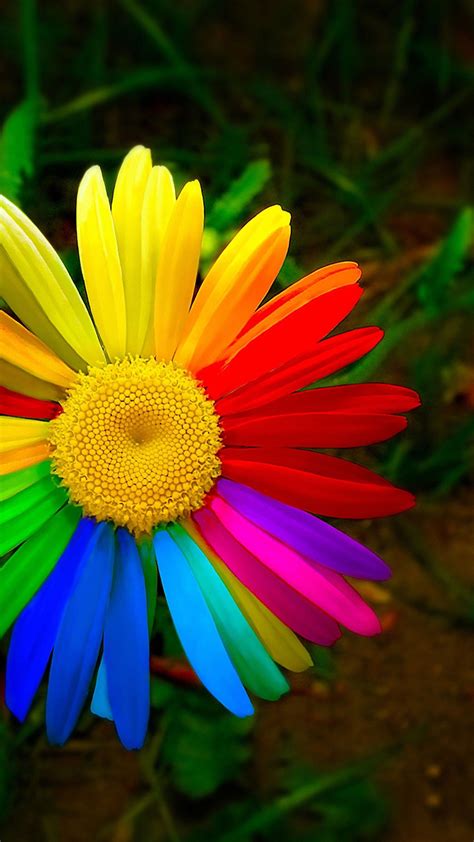
Ingredient Selection: The Foundation of Vibrancy
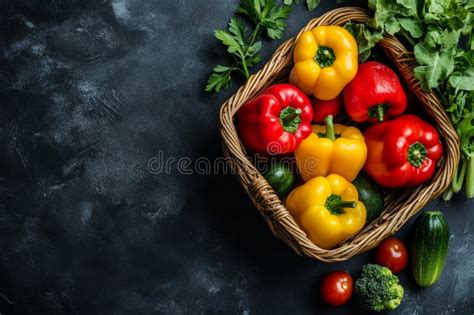
The journey to a vibrant dish begins long before cooking even starts—it begins with your choice of ingredients. Prioritize fresh, high-quality produce with natural, intense colors. Think about the spectrum: deep reds of ripe tomatoes, brilliant greens of spinach, sunny yellows of bell peppers, and rich purples of eggplant or berries. Opt for seasonal ingredients, as they tend to have the best color and flavor profiles. Don’t shy away from variety; a mix of colors on the plate is inherently more appealing than a monochromatic spread.
Preserving Natural Hues
Once you have your colorful ingredients, the next step is to treat them in a way that preserves their natural beauty. Overcooking vegetables, for instance, can dull their colors significantly. Consider blanching or steaming greens quickly to maintain their bright green hue and crisp texture. For root vegetables, roasting them can caramelize their natural sugars, intensifying their color and adding depth.
Cooking Techniques for Color Retention and Enhancement
The way you cook plays a crucial role in the final visual appeal. Different techniques affect color differently:
- Blanching & Shocking: For green vegetables like broccoli, asparagus, or green beans, a quick blanch in boiling water followed by an ice bath locks in that vibrant green and stops the cooking process.
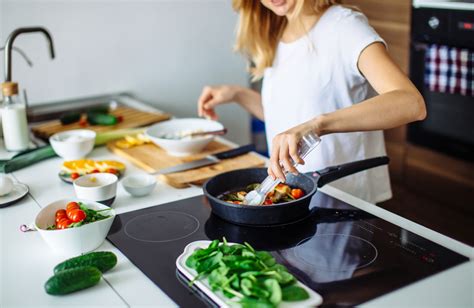
- Sautéing: A hot pan and minimal cooking time can bring out the best in vegetables, adding a slight char or caramelization that enhances their natural colors without overcooking.
- Roasting: Roasting at higher temperatures, especially with a little oil, can bring out rich, deep colors and wonderful textures in vegetables like carrots, sweet potatoes, or Brussels sprouts.
- Grilling: Grill marks add visual interest and a smoky depth, particularly appealing on vegetables and proteins.
The Art of Plating: Where Vision Comes Alive
Even with the most colorful ingredients and perfectly cooked components, a dish can fall flat without thoughtful plating. Plating is about arrangement, balance, and creating visual interest. Think about:
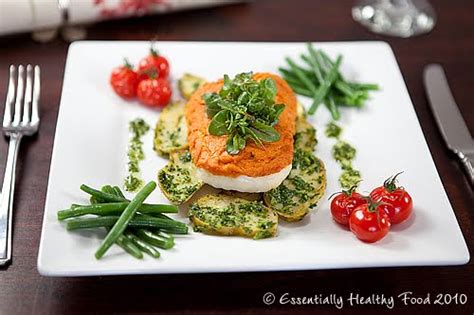
- Contrast: Use contrasting colors, shapes, and textures. A dollop of bright red sauce next to a green garnish, or a smooth purée alongside a crunchy element.
- Height: Stack ingredients strategically to add vertical appeal. A tower of roasted vegetables or a lean protein propped up can be very striking.
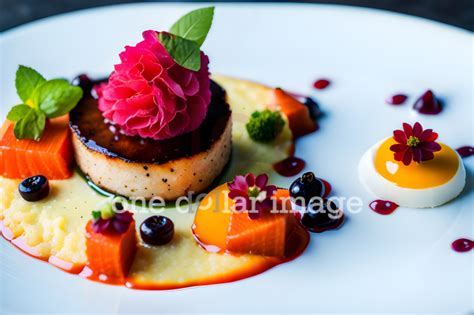
- Negative Space: Don’t overcrowd the plate. Allowing some white space around your food can make the colors pop even more and create a sense of elegance.
- Saucing: Drizzle sauces artfully rather than drowning the dish. A swirl, a dot pattern, or a clean swipe with the back of a spoon can be very effective.

Garnishes: The Finishing Touch
Garnishes are the jewels of a dish, providing that final burst of color and often a complementary flavor or texture. They should always be edible and relevant to the dish. Common vibrant garnishes include:
- Fresh Herbs: Chopped parsley, cilantro, chives, or dill add a pop of green and aromatic freshness.
- Citrus Zest: Lemon, lime, or orange zest offers bright color and a zingy aroma.
- Edible Flowers: Pansies, nasturtiums, or borage can add delicate beauty and unexpected color.
- Toasted Nuts/Seeds: Adds crunch and a visual contrast.
- Microgreens: A delicate, intense green addition that instantly elevates any plate.
- Spices: A light dusting of paprika, chili powder, or saffron can add warmth and depth of color.

Lighting and Photography (Even for Home Cooks)
While not a cooking method, how you view your dish (and perhaps photograph it for sharing) greatly impacts its perceived vibrancy. Natural light is almost always best. Avoid harsh overhead lighting, which can create shadows and dull colors. If you’re photographing, position your dish near a window for soft, even illumination that makes colors truly sing.
By thoughtfully applying these recipe methods—from the initial selection of vibrant ingredients and mindful cooking techniques to artful plating and judicious garnishing—you can consistently ensure your finished dishes are not only delicious but also visually stunning, making every meal an experience for all the senses.