What recipe steps guarantee vibrant colors & stunning plating for your foodie feed?
The Visual Feast: Why Presentation Matters
In today’s digital age, where every meal is a potential Instagram post, the visual appeal of your food is almost as important as its taste. A stunning foodie feed isn’t just about delicious recipes; it’s about crafting a visual narrative that captivates and inspires. From the moment you select your ingredients to the final delicate garnish, every step in the cooking process can be optimized to ensure your dishes boast vibrant colors and plating that pops. Let’s dive into the essential recipe steps that guarantee your culinary creations are always camera-ready.
Foundation First: Ingredient Selection & Preparation
1. Prioritize Peak Freshness and Quality
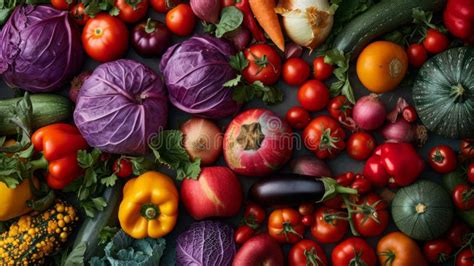
The journey to vibrant food begins at the source. Always opt for the freshest, highest-quality ingredients available. Brightly colored, firm vegetables and fruits are naturally more appealing and retain their vibrancy better during cooking. Wilted greens or dull-looking produce will never yield a stunning final dish, no matter how skilled your plating.
2. Smart Pre-Treatment for Color Retention
- Blanching: For green vegetables like broccoli, asparagus, or green beans, a quick blanch in boiling salted water followed by an immediate ice bath is a game-changer. This locks in their bright green hue and crisp texture.
- Acidic Soaks: Certain fruits and vegetables (like apples, potatoes, or avocados) can oxidize and brown quickly. A brief soak in acidulated water (water with lemon juice or vinegar) can prevent discoloration.
- Peeling & Trimming: Remove any discolored or bruised parts. Precise knife cuts also contribute to a cleaner, more appealing presentation.
Cooking Methods for Maximum Vibrancy
1. Gentle Heat is Key
Overcooking is the enemy of vibrant colors. High, prolonged heat can dull pigments. Employ cooking methods that are quick and precise:
- Sautéing & Stir-Frying: These methods use high heat for a short duration, preserving color and texture, especially for vegetables.
- Steaming: A gentle way to cook vegetables, retaining their natural color and nutrients without leaching them into water.
- Roasting: When done correctly, roasting can caramelize natural sugars, intensifying colors (think roasted red peppers or sweet potatoes), but be mindful not to burn.
2. The Role of Acid and Alkali
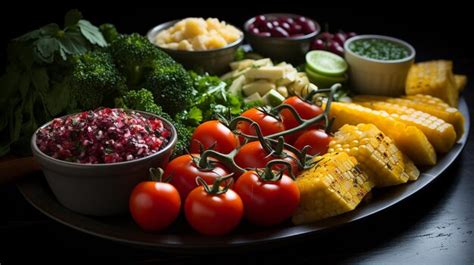
Understanding how pH affects food color is crucial. Acids (like lemon juice, vinegar) tend to brighten red and purple pigments (think berries, red cabbage) and can help set green colors, though too much acid can dull greens over prolonged cooking. Alkaline environments (like baking soda) can intensify green hues initially but can also make vegetables mushy and discolored if overused. Generally, a neutral or slightly acidic environment is best for most vibrant colors.
Mastering the Art of Plating
1. Color Contrast and Balance
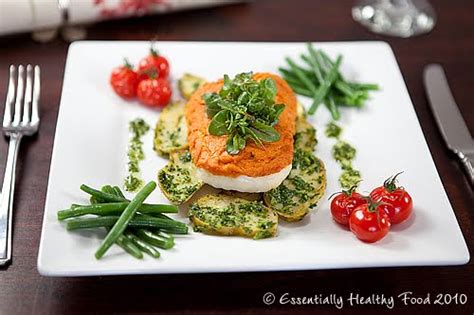
A visually stunning plate uses color to its advantage. Aim for a balance of contrasting and complementary colors. A plate of monochromatic food can look dull. Think vibrant greens against rich reds, or the stark contrast of a bright sauce on a neutral background. Use naturally colorful ingredients to add pops of visual interest.
2. Texture and Height
Flat food is boring food. Create visual interest by adding varying textures and building height. This could be achieved with:
- Crisp elements: Toasted nuts, croutons, or fried herbs.
- Smooth purées or sauces: Offering a creamy contrast.
- Layering: Stack ingredients creatively, or use molds to shape components.
3. The Power of Garnishes
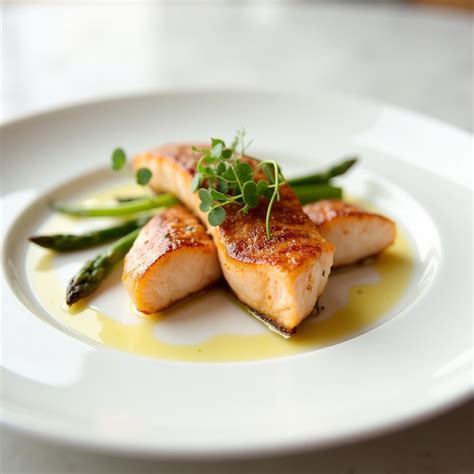
Garnishes are not merely decorative; they are essential for adding that final flourish of color, texture, and freshness. Choose garnishes that complement the dish both aesthetically and flavor-wise:
- Fresh herbs: A sprig of cilantro, parsley, or dill adds immediate color and aroma.
- Citrus zest or wedges: Brightens both the look and taste.
- Edible flowers: For a truly elegant and photogenic touch.
- Spice dusts or drizzles: A dusting of paprika or a swirl of balsamic glaze can add depth and definition.

4. Negative Space and Cleanliness
Don’t overcrowd the plate. Negative space (the empty area on the plate) is crucial for drawing the eye to the main elements and making the dish feel more refined. Also, ensure your plate is impeccably clean, wiping away any smudges or drips with a clean cloth before serving.
Beyond the Plate: The Foodie Feed Perspective
While recipe steps and plating are paramount, remember that good lighting is the final ingredient for a truly stunning foodie feed photo. Natural light is almost always best. Position your dish near a window, avoiding direct harsh sunlight, for soft, even illumination that makes colors truly pop. Experiment with angles to capture the height and texture you’ve worked so hard to create.

Conclusion
Transforming your everyday meals into vibrant, Instagram-worthy masterpieces is a skill honed through practice and attention to detail. By consciously selecting fresh ingredients, employing smart cooking methods to preserve color, and mastering the art of thoughtful plating and garnishing, you can guarantee every dish you create will not only taste incredible but also look absolutely stunning. Get ready to elevate your culinary game and delight your foodie feed followers!