What recipe techniques ensure vibrant colors & textures for stunning food photos?
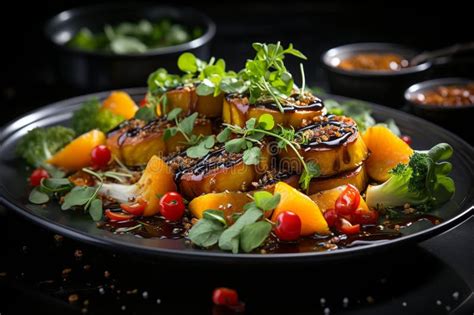
Creating food that looks as good as it tastes is an art, especially when aiming for magazine-worthy photographs. The secret lies not just in plating, but in foundational cooking techniques that preserve and enhance the natural vibrancy and appealing textures of your ingredients. From the initial ingredient selection to the final garnish, every step can contribute to a dish that pops in front of the lens.
1. Start with Peak Freshness & Quality Ingredients
The foundation of any stunning dish begins with the ingredients themselves. Opt for the freshest produce, meats, and seafood available. Fresh ingredients inherently possess more vivid colors and firmer textures. Wilted greens, bruised fruits, or dull-looking proteins will inevitably translate into lackluster photos, no matter how skilled your styling.
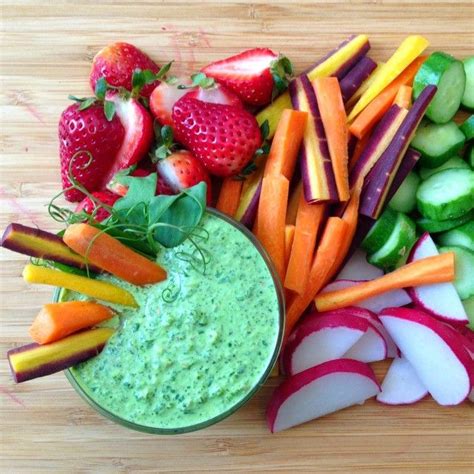
Prioritize seasonal produce, as it’s often at its peak flavor, color, and nutritional value. A vibrant red bell pepper or a crisp green asparagus spear will always photograph better than their out-of-season counterparts.
2. Master Cooking Techniques for Color Retention
How you cook your food has a profound impact on its final appearance. Overcooking is the arch-nemesis of vibrant food photography, leading to muted colors and mushy textures. Precision is key.
Blanching and Shocking for Greens
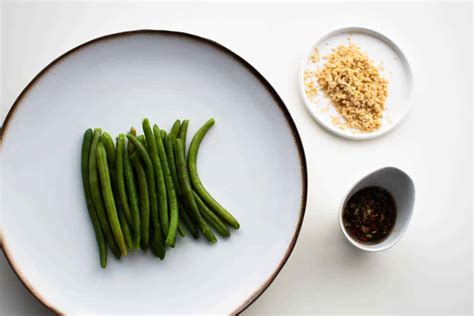
For green vegetables like broccoli, asparagus, or green beans, blanching is indispensable. Briefly boil them until tender-crisp, then immediately plunge them into an ice bath. This process halts the cooking, preserves their bright green chlorophyll, and locks in a crisp texture. Without shocking, residual heat will continue to cook them, turning them dull olive green and soft.
Searing and Roasting for Rich Hues
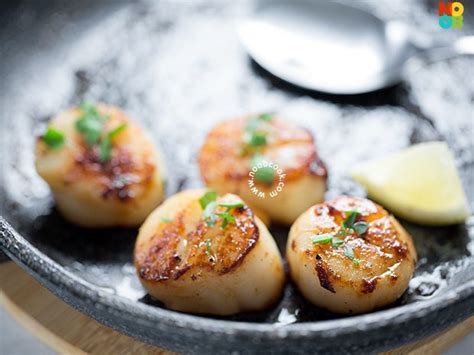
For proteins and root vegetables, searing, roasting, or grilling can create beautiful caramelized crusts and enhance natural colors. A perfectly seared piece of salmon will have a gorgeous golden-brown exterior that contrasts beautifully with its pink interior. Roasting vegetables like carrots, sweet potatoes, or Brussels sprouts brings out their sugars, leading to deeper, richer colors and appealing textures.
3. Embrace Natural Brightness with Proper Hydration and Glazing
Food that looks dry often appears unappetizing in photos. Ensuring proper hydration and adding a subtle sheen can make a huge difference. For roasted meats or vegetables, a light brush of olive oil or a pan sauce can add a desirable gloss. For fruits, a simple sugar glaze or a spritz of water can make them glisten.
Acidic components like lemon juice or vinegar can also brighten flavors and, by extension, the perceived vibrancy of a dish. A squeeze of lemon over grilled fish not only tastes good but makes the dish look fresher and more appealing.
4. The Art of Garnishing and Plating for Contrast
Even with perfectly cooked ingredients, a dish can fall flat without thoughtful garnishing and plating. These final touches are crucial for adding pops of color and textural interest.
Fresh Herbs and Edible Flowers
A sprinkle of finely chopped fresh herbs like parsley, cilantro, or chives adds immediate color and freshness. Edible flowers can introduce delicate hues and an elegant touch. Always add these just before serving or photographing, as they wilt quickly.
Strategic Sauces and Dressings
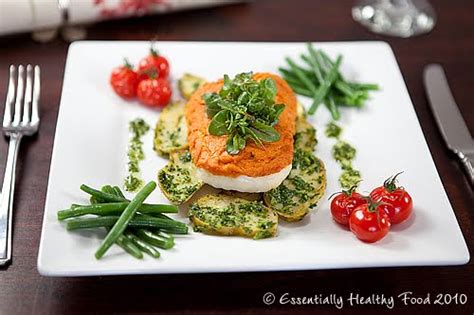
A vibrant sauce or a contrasting dressing can dramatically elevate a dish. Think about a bright red pepper coulis, a verdant pesto, or a creamy white aioli. Drizzle them artfully, rather than drowning the dish, to enhance the visual appeal without overwhelming the main components.
5. Mindful Plating and Composition
Finally, how you arrange the food on the plate matters. Create height, use contrasting colors and textures, and leave some negative space. A mix of crunchy, creamy, and tender elements provides visual interest. For instance, a dish with creamy mashed potatoes might be topped with crispy fried onions and garnished with bright green chives.
By integrating these recipe techniques into your cooking repertoire, you’ll not only create incredibly delicious meals but also consistently produce dishes that are visually stunning and truly photo-worthy. It’s about cooking with intention, keeping the final visual in mind from start to finish.