What simple plating hacks elevate everyday recipes for stunning visuals?
Plating food might seem like a skill reserved for professional chefs or high-end restaurants, but the truth is, simple presentation hacks can dramatically elevate your everyday home-cooked meals. Transforming a regular dish into a visually stunning creation doesn’t require elaborate techniques or expensive equipment; it’s all about thoughtful placement, utilizing color, texture, and a touch of creativity. Let’s explore easy ways to make your daily culinary efforts look as good as they taste.
The Power of Color and Contrast
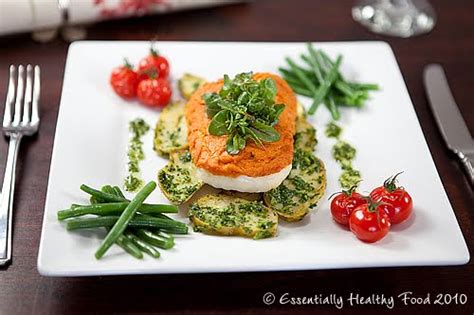
One of the easiest ways to make a dish pop is by incorporating a variety of colors. Think beyond the main components and consider what complementary hues you can add. A vibrant sprinkle of fresh herbs, a bright squeeze of citrus, or a colorful drizzle of sauce can instantly uplift a plate. Aim for contrast – if your main protein is monochromatic, introduce a colorful side or garnish to create visual interest.
Don’t underestimate the impact of using different shades within the same color family or contrasting colors entirely. For example, a bright red cherry tomato half against a green pesto or a yellow bell pepper adds immediate appeal. It’s about making the plate exciting to the eye before the first bite.
![🔥 [63+] Colorful Flowers Backgrounds | WallpaperSafari](/images/aHR0cHM6Ly90czIubW0uYmluZy5uZXQvdGg/aWQ9T0lQLjFnZWZfdlFDalNONk1vMGxTX09ZakFIYUVvJnBpZD0xNS4x.webp)
Textural Play: Adding Interest
Texture isn’t just about mouthfeel; it’s also a visual element. A plate that features varied textures looks far more inviting than one that’s uniformly smooth or soft. Think about adding a crunchy element to a creamy dish, like toasted nuts, croutons, crispy fried onions, or even a sprinkle of flaky sea salt. Conversely, a smooth puree can balance a dish with many rough textures.
Consider how different cooking methods create different textures on the plate—a perfectly seared scallop with a golden crust next to a velvety pea puree, or roasted vegetables with slightly charred edges alongside a delicate sauce. This interplay of textures makes the dish dynamically appealing.
Building Height and Dimension
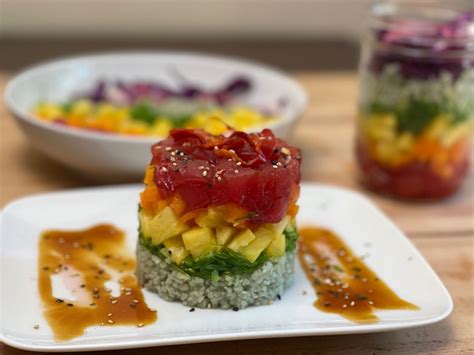
Flat food is boring food, visually speaking. Adding height and dimension can make a dish appear more sophisticated and appealing. This doesn’t mean building gravity-defying towers, but rather creating gentle mounds or stacking elements thoughtfully. Use a ring mold for rice or grains, lean vegetables against a protein, or slightly overlap ingredients instead of spreading them flat.
Think in terms of layers. A base layer, a main component, and a topping or garnish can give a dish a sense of depth. Even a simple scoop of mashed potatoes can be made more interesting by mounding it rather than flattening it. The goal is to lift the food off the plate, creating a three-dimensional appeal.
The Art of Garnishing
Garnishes are the jewelry of a dish, providing the finishing touch that elevates its presentation. A simple sprig of fresh parsley, a few microgreens, a sprinkle of toasted sesame seeds, a drizzle of olive oil, or a swirl of balsamic glaze can transform an ordinary meal. The key is to choose garnishes that complement the flavors of the dish, not just visually.
Consider edible flowers for a touch of elegance, a dusting of paprika for color, or a finely chopped herb mix for freshness. Don’t overdo it; a few well-placed garnishes are far more effective than a messy heap. Think about how the garnish adds color, texture, or a contrasting shape to the overall composition.

Intentional Arrangement and Negative Space
How you arrange your food on the plate is crucial. Avoid simply dumping everything in the middle. Instead, think about creating a focal point and using the negative space of the plate to enhance the presentation. The “rule of thirds” from photography can be applied here: imagine dividing your plate into a 3×3 grid and placing key elements along the lines or at their intersections.
Serve odd numbers of items (e.g., three scallops, five asparagus spears) as they tend to be more visually appealing than even numbers. Always wipe the edges of the plate clean before serving; a messy rim instantly detracts from the visual appeal, no matter how well plated the food itself is. A clean plate provides a canvas that makes your food shine.
Conclusion: Plate with Purpose
Elevating your everyday recipes for stunning visuals doesn’t require a culinary degree—just a little intention and practice. By focusing on color, texture, height, thoughtful garnishes, and deliberate arrangement, you can transform ordinary meals into extraordinary dining experiences. Start with one hack at a time, experiment, and most importantly, have fun making your food look as delightful as it tastes!