What simple plating hacks transform recipes into visual feasts?

The Art of Eating with Your Eyes First
It’s a universal truth that we eat with our eyes before our mouths. The visual presentation of food significantly impacts our perception of its taste and quality. A beautifully plated dish can elevate a simple recipe into an exquisite culinary experience, sparking anticipation and enjoyment even before the first bite. You don’t need to be a Michelin-star chef to create stunning presentations; with a few simple plating hacks, you can transform your home-cooked meals into works of art.
Mastering the art of plating is about understanding balance, color, texture, and arrangement. It’s about telling a story on the plate and inviting diners into a sensory adventure. Let’s explore some accessible techniques that can dramatically improve your food’s visual appeal.
Choose Your Canvas Wisely: The Plate
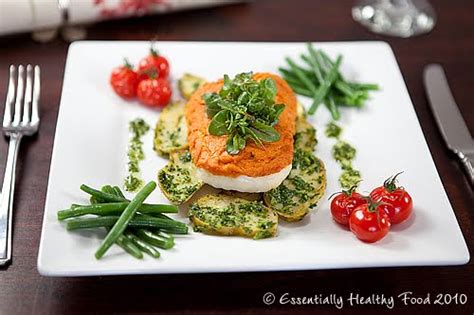
The foundation of any great plating job is the plate itself. Consider the color, shape, and size of your dinnerware. White plates are often preferred as they provide a neutral background that makes the food’s colors pop. However, dark or patterned plates can also be striking if they complement the dish rather than compete with it.
Match the plate size to the portion. Overcrowding a small plate makes the dish look messy, while too little food on a large plate can appear sparse. Always ensure your plates are clean and free of smudges or drips before serving – a quick wipe with a damp cloth can make all the difference.
Mastering Arrangement and Composition
Once you have your canvas, it’s time for the artwork. How you arrange components on the plate is crucial.
The Rule of Thirds and Asymmetry
Just like in photography, the rule of thirds can guide your food placement. Imagine dividing your plate into a 3×3 grid and placing key elements along the lines or at their intersections. Asymmetrical arrangements often look more dynamic and interesting than perfectly symmetrical ones. Aim for a focal point, then arrange supporting elements around it.
Building Height and Dimension
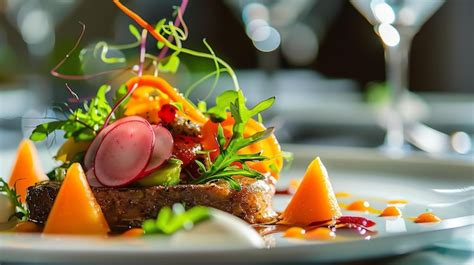
Flat food can look uninspired. Add height and dimension by stacking ingredients, leaning elements against each other, or mounding food strategically. For example, a dollop of mashed potatoes can be a base for roasted vegetables or a piece of protein. Think vertically to create visual interest.
Odd Numbers and Spacing
When arranging smaller items like shrimp, scallops, or cherry tomatoes, group them in odd numbers (e.g., three or five). This often creates a more pleasing and natural aesthetic. Also, allow for negative space on the plate; don’t fill every inch. This gives the food room to breathe and allows each component to stand out.
Color, Contrast, and Texture: A Symphony for the Senses
Variety is the spice of life, and it’s also key to visually appealing food.
Vibrant Colors and Natural Ingredients
Incorporate a range of natural colors into your dish. Think about how a sprinkle of fresh green herbs can brighten a rich, brown stew, or how a pop of red bell pepper contrasts with a white fish. Fresh vegetables, fruits, and garnishes are your best friends here.

Adding Contrasting Textures
A dish with only one texture can be monotonous. Introduce elements with different textures – crunchy croutons on a creamy soup, crispy fried onions on a tender piece of meat, or a smooth sauce alongside a rough-cut vegetable. These contrasts make the dish more exciting both visually and texturally.
The Finishing Touches: Garnishes and Sauces
Garnishes and sauces are the jewelry of your dish, providing those final impactful details.
Fresh Herbs and Edible Flowers
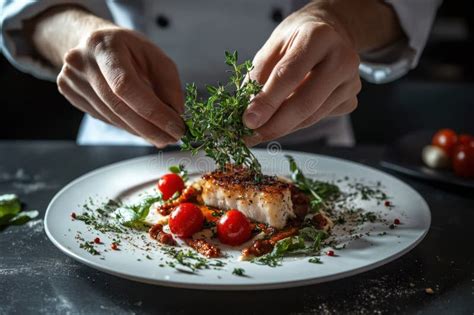
A simple sprig of fresh parsley, cilantro, dill, or basil can instantly elevate a dish. Edible flowers add a touch of elegance and unexpected beauty. Place them intentionally, ensuring they complement the dish’s flavors and colors without overwhelming it.
Strategic Saucing and Drizzles
Instead of pouring sauce over the entire dish, consider painting it on the plate with a spoon, creating dots, swirls, or a neat streak. Squeeze bottles are excellent for precise drizzles of balsamic glaze, reduction, or flavored oils. This adds artistic flair and allows the main ingredients to shine through.
Simple Tools for Professional Plating
You don’t need a professional kitchen, but a few inexpensive tools can make plating easier:
- Squeeze bottles: Perfect for precise sauce application.
- Kitchen tweezers: Handy for delicate placement of garnishes.
- Ring molds: Help create perfectly shaped portions of rice, grains, or tartares.
- Offset spatulas: Useful for spreading purees or lifting delicate items.
Practice Makes Perfect: Start Small, Think Big
The journey to becoming a plating pro is one of experimentation. Start with one or two techniques on your next meal. Try adding a contrasting garnish, building a little height, or arranging elements in an artistic way. Take photos of your work, observe what looks good, and learn from it. Over time, these simple hacks will become second nature, transforming your everyday cooking into a delightful visual feast that impresses and inspires.
Remember, the goal isn’t just a pretty picture; it’s about enhancing the entire dining experience, making every meal feel special and thoughtfully prepared. So grab your ingredients, choose your plate, and start creating edible masterpieces!