What simple plating techniques elevate home-cooked meals to gourmet visual feasts?
Why Plating Matters: Beyond Taste
Eating is a multi-sensory experience. While the aroma and taste of your home-cooked meal are paramount, its visual appeal plays a significant role in setting expectations and enhancing enjoyment. Elevating your plating from a mere dollop to a deliberate design doesn’t require culinary school expertise or expensive tools. With a few simple techniques, you can turn your kitchen creations into visual feasts worthy of any restaurant.
The Canvas: Choosing Your Plate and Portions
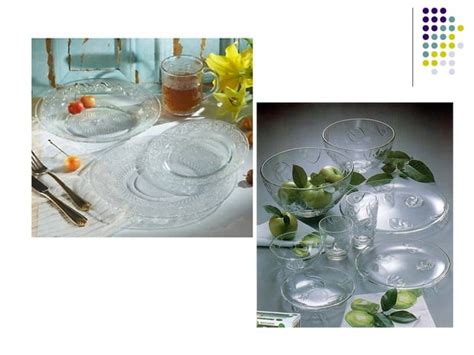
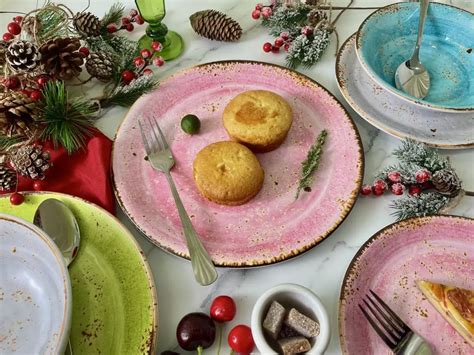
Think of your plate as a blank canvas. The choice of plate itself can significantly impact presentation. Opt for neutral colors like white or off-white, as they allow your food’s colors to pop. Consider the size – an oversized plate can make portions look sparse, while a too-small plate can appear cluttered. Experiment with different shapes, too, like square or rectangular plates, for a modern touch.
Portion control is also key to good plating. Don’t overload the plate. Leaving some white space allows the eye to appreciate each component and prevents the dish from looking overwhelming. A good rule of thumb is to fill roughly two-thirds of the plate, allowing the remaining space to frame your masterpiece.
Arrangement: Creating Structure and Flow
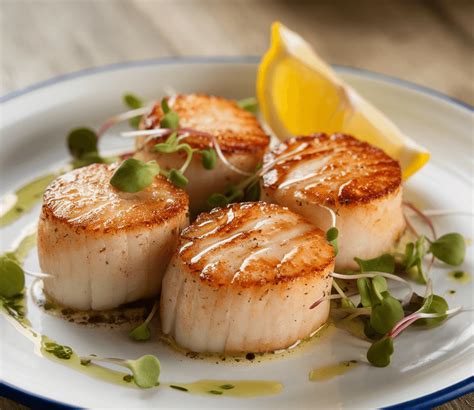
Once you have your canvas, it’s time for arrangement. Instead of just plopping ingredients, consider their placement. The “rule of odds” suggests that objects in odd numbers (e.g., three asparagus spears, five cherry tomatoes) are more visually appealing than even numbers. Create height by stacking components, like layering slices of meat or building a small tower of rice or polenta. This adds dimension and interest.
Think about a central focal point and arrange elements around it. You can use the clock method (protein at 6 o’clock, starch at 10 o’clock, vegetables at 2 o’clock) as a basic guideline, or simply arrange items in a way that creates a sense of balance and flow. Don’t be afraid to create distinct sections, but ensure they still relate to the whole dish.
Color, Texture, and Garnish: Adding Interest
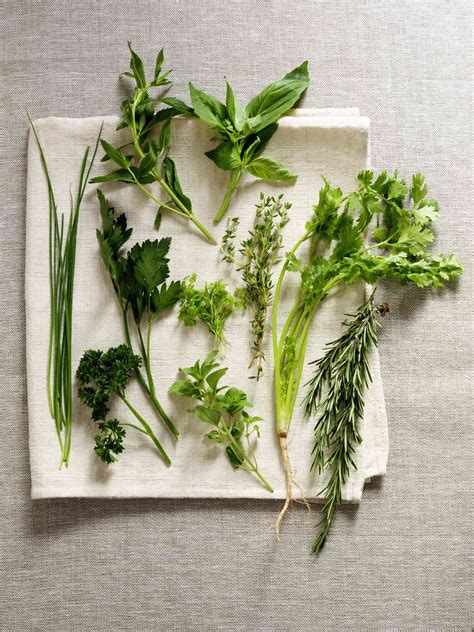
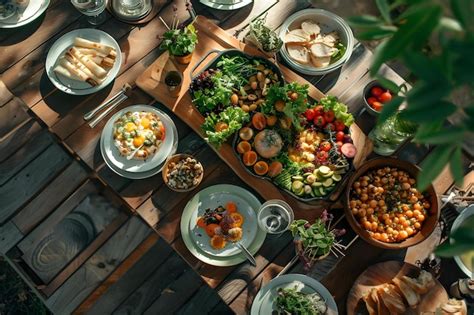
A visually appealing dish boasts a variety of colors and textures. If your main components are all one color, introduce contrasting colors with garnishes. A sprinkle of fresh herbs, a pop of red from bell peppers, or the vibrant green of blanched broccoli can instantly brighten a plate. Similarly, varying textures—crispy, creamy, tender—makes the dish more engaging to eat.
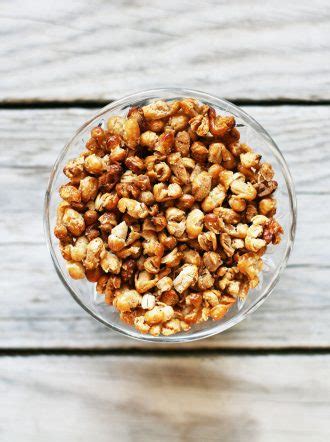
Garnishes are not just for aesthetics; they can also add a burst of flavor. A sprig of fresh rosemary, a lemon wedge, toasted nuts, or a few edible flowers can transform a dish. Remember, less is often more. A simple, well-placed garnish is far more effective than an overdone one.
Sauces and Drizzles: The Artistic Finish
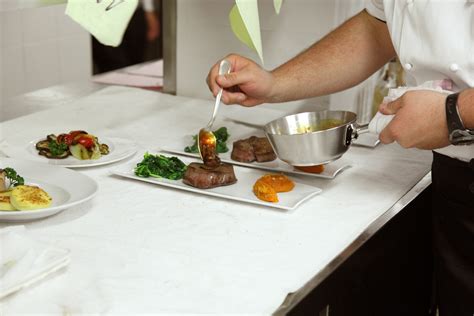
Sauces are not just flavor enhancers; they are powerful plating tools. Instead of pouring sauce all over your dish, try more deliberate techniques. A simple swipe with the back of a spoon across the plate can create an elegant base. Drizzle sauces in a zigzag pattern, create small dots around the main components, or use a squeeze bottle to draw fine lines. Consider the sauce’s consistency – a thicker sauce holds its shape better for artistic presentation.
The Finishing Touches: Cleanliness and Simplicity
Before serving, take a moment to clean the edges of your plate with a damp cloth or paper towel. A pristine plate border creates a professional and appealing finish. Finally, always remember the principle of simplicity. Don’t overcrowd the plate with too many elements or overly complicated arrangements. A few well-executed, simple techniques will always trump an overly busy presentation.

Conclusion: Experiment and Enjoy
Plating is a creative process. Don’t be afraid to experiment with different arrangements, colors, and garnishes. Start with one or two techniques and gradually build your confidence. With a little practice, you’ll find yourself transforming everyday home-cooked meals into visually stunning gourmet feasts, delighting both your eyes and your palate.