What simple plating techniques instantly elevate home-cooked meals for stunning photos?
Transforming the Everyday into the Extraordinary
It’s no secret that we eat with our eyes first. While the taste of a home-cooked meal is paramount, its visual appeal can profoundly impact how it’s perceived, especially in today’s visually driven world of social media. You don’t need a culinary degree or fancy equipment to make your dishes look like they came straight from a gourmet restaurant. With a few simple plating techniques, you can instantly elevate your home-cooked meals, turning them into stunning photographic subjects and enhancing the overall dining experience.
The Right Canvas: Choosing Your Plates and Bowls
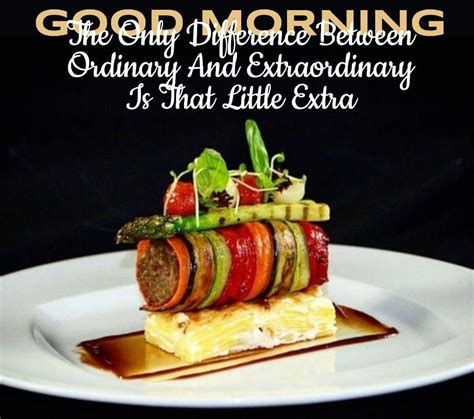
Think of your plate as a canvas. The vessel you choose plays a crucial role in framing your food. For most home cooks aiming for photogenic meals, a simple, neutral-colored plate (white, off-white, or light grey) is often the best choice. These colors allow the vibrant hues of your food to stand out without competing for attention.
Consider the size and shape of your plate in relation to your dish. Don’t overcrowd the plate; leaving some negative space around your food can make the presentation feel more sophisticated and intentional. A larger plate allows for more artistic arrangement and gives each component room to breathe, while unique shapes can add a modern touch.
Color and Contrast: Making Your Food Pop
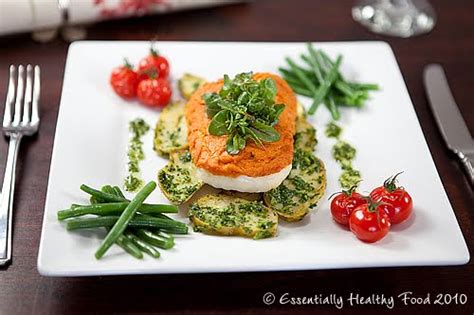
The interplay of colors is vital for visual appeal. Look for natural contrasts within your ingredients. For instance, a vibrant green herb against a rich red tomato sauce, or the crisp white of rice contrasting with a dark stew. If your dish lacks a pop of color, consider adding a fresh garnish – a sprinkle of chopped parsley, a few cherry tomato halves, or a bright squeeze of lemon.
Sauces and drizzles can also add dynamic color. A zig-zag of balsamic glaze, a swirl of crème fraîche, or a dotting of a vibrant pesto can introduce both color and an element of artistic design, guiding the eye across the plate.
Building Height and Dimension
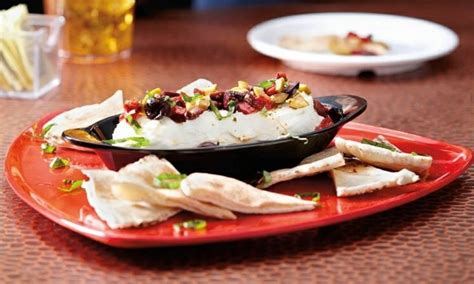
Flat food can look uninspired in photos. Adding height and dimension immediately makes a dish more dynamic and appealing. This can be achieved in several ways:
- Stacking: Neatly stack components, like a tower of pancakes, layers of lasagna, or overlapping slices of meat and vegetables.
- Leaning: Arrange elements so they lean against each other, creating visual interest and depth.
- Molding: Use a chef’s ring or even a small cup to mold grains (like rice or quinoa) or mashed vegetables into a neat, elevated cylinder.
Even a simple pile of pasta can look more elegant with a slight twist upwards using tongs, creating a swirl rather than a flat mound.
The Power of Garnishes and Finishing Touches
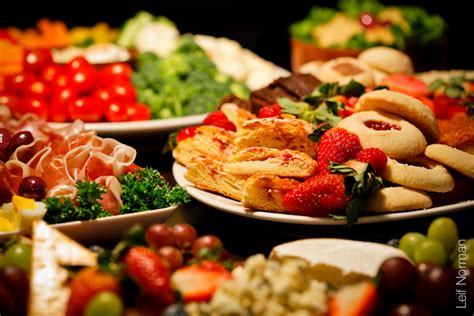
Garnishes are not just for restaurants; they are essential for photography. They provide texture, color, and a sense of completeness. Think beyond a simple sprig of parsley:
- Fresh Herbs: Chopped chives, cilantro, dill, or mint can add freshness and a vibrant green.
- Spices/Seeds: A light dusting of paprika, a sprinkle of sesame seeds, or a few chili flakes can add visual texture and hint at flavor.
- Citrus Zest/Wedges: Brighten up dishes with a little zest or a wedge of lemon/lime on the side.
- Edible Flowers: For a truly elegant touch, edible flowers can add delicate color and sophistication.
- Drizzles: A final drizzle of olive oil, a balsamic reduction, or a flavorful sauce can tie the dish together.
The Rule of Odds and Negative Space: Composition Basics
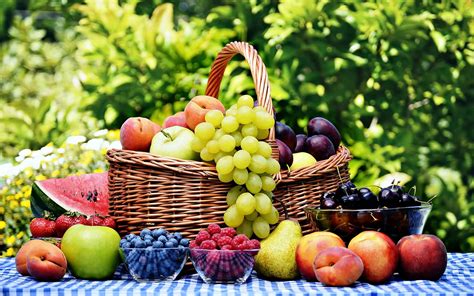
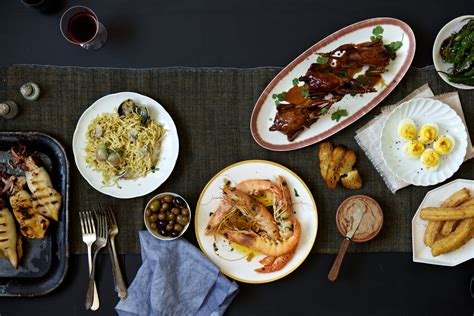
When arranging multiple items, the ‘rule of odds’ suggests that an odd number of elements (like 3 or 5 pieces of shrimp) is more visually appealing and natural than an even number. This creates asymmetry that is more interesting to the eye.
Additionally, embrace negative space – the empty areas on your plate. This space draws attention to the food itself, making it seem more important and curated. Avoid filling every inch of the plate. Instead, group elements together and allow for breathing room.
Conclusion: Practice Makes Perfect
Elevating your home-cooked meals for stunning photos is an accessible art form. Start by experimenting with one or two techniques at a time. Pay attention to your plate choice, add contrasting colors, build a little height, and finish with a thoughtful garnish. The more you practice, the more intuitive these techniques will become, allowing you to consistently create dishes that are as beautiful to behold as they are delicious to eat, making your food photography shine!