What simple plating techniques instantly elevate recipe visuals?
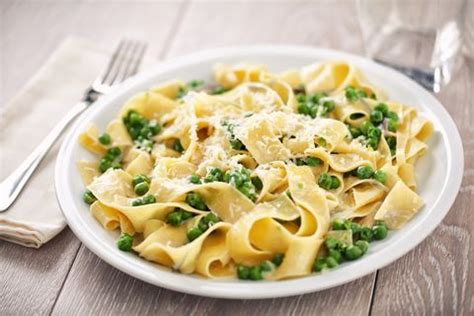
In the world of culinary arts, how a dish looks can be just as important as how it tastes. Professional chefs have long understood that an appealing presentation can heighten anticipation and make the eating experience more enjoyable. Fortunately, you don’t need a culinary degree to master a few simple plating techniques that will instantly elevate your recipe visuals from home-cooked to haute cuisine.
The Art of Arrangement: Understanding Basic Principles
Before diving into specific techniques, it’s helpful to grasp the core principles of good plating: balance, contrast, and a focal point. Think of your plate as a canvas. A well-plated dish uses negative space effectively, creating a visual balance that draws the eye to the main components without feeling cluttered. Contrast in color, texture, and shape makes a dish more dynamic and appealing.
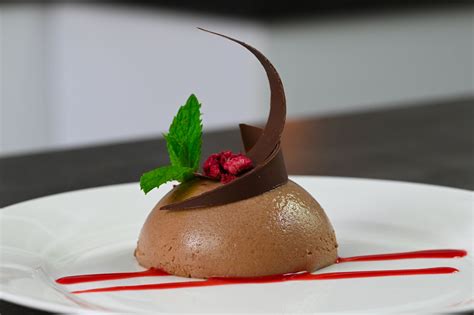
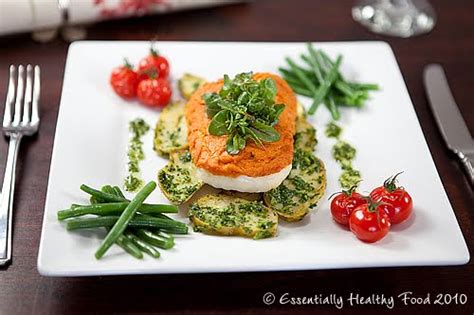
Consider the colors of your ingredients. A vibrant splash of green from fresh herbs against a rich, roasted meat or a bright red berry contrasting with a creamy dessert can make a dish pop. Varying textures—crispy, soft, smooth, crunchy—adds complexity not just to the palate but also to the visual experience. Similarly, using different shapes, such as round vegetables alongside a rectangular piece of fish, creates visual interest.
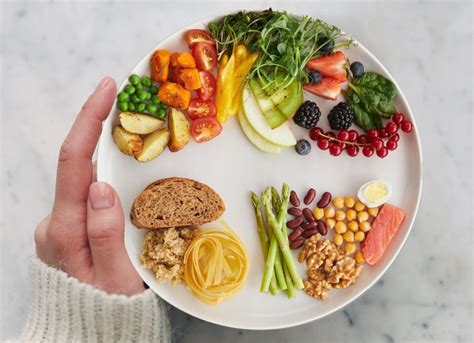
Master the Plate as Your Canvas
One of the easiest ways to improve plating is to use the ‘rule of thirds’ or, more simply, off-center placement. Instead of piling everything in the middle, arrange your main ingredient slightly off-center and complement it with side dishes or garnishes around it. This creates a more dynamic and professional look than a symmetrical arrangement. Also, don’t be afraid of negative space; an uncluttered plate allows each component to shine.
Finally, always ensure your plate is spotless. Before serving, give the rim of the plate a quick wipe with a clean, damp cloth to remove any smudges or drips. A clean plate signals attention to detail and professionalism, making even the simplest dish look more refined.
Elevate with Garnishes
Garnishes are not just for decoration; they add freshness, color, texture, and often a burst of flavor that complements the dish. Fresh herbs like parsley, cilantro, or chives, finely chopped or as delicate sprigs, can instantly brighten a plate. A sprinkle of toasted nuts or seeds can add a much-needed crunch and visual texture.
Other effective garnishes include citrus zest for tang and color, edible flowers for elegance, or microgreens for a gourmet touch. Remember, garnishes should be edible and enhance, not overpower, the dish. A little goes a long way.
Creative Saucing Techniques
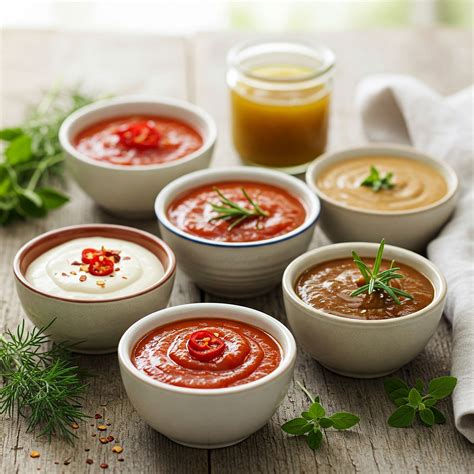
Moving beyond simply pouring sauce over a dish, controlled application of sauces can dramatically enhance your plating. Instead of a puddle, try a ‘swipe’ or ‘smear’ technique by placing a dollop of sauce on the plate and dragging the back of a spoon across it to create an artistic streak. For thicker sauces or purees, a squeeze bottle can create elegant dots or drizzles around the main ingredient.
Concentric circles or abstract patterns can also add visual flair, especially on flat plates. The key is to apply sauces thoughtfully, using them to highlight and connect elements on the plate rather than obscure them.
Building Height and Dimension
Flat food can look uninspired. Adding height to your dish creates dimension and makes it more visually appealing. Instead of spreading ingredients out, try stacking them or arranging them in layers. For example, pile a side of rice or grains into a small mound, or layer vegetables under a protein.
You can use culinary rings or even an overturned ramekin to shape ingredients like rice, mashed potatoes, or salads into neat towers. Even a simple stack of pancakes or a burger with layered toppings benefits from careful construction to build height.
The Final Touches: Texture and Shine
Once your main components are arranged, consider adding a final textural element. This could be a sprinkle of flaky sea salt, a few grinds of black pepper, or a light dusting of cocoa powder for desserts. Sometimes, a tiny drizzle of high-quality olive oil or a brush of melted butter can add a beautiful sheen to proteins or vegetables, making them look even more appetizing.
Plating is a skill that improves with practice and experimentation. By incorporating these simple techniques—focusing on arrangement, using effective garnishes, creative saucing, and building height—you can transform your everyday meals into visually stunning culinary creations. Happy plating!