What simple plating techniques make homemade recipes look professionally styled?
You’ve poured your heart into cooking a delicious meal, but often, the visual appeal of a homemade dish doesn’t quite match the professional elegance seen in restaurants or magazines. The good news is, you don’t need a culinary degree to make your food look stunning. A few simple plating techniques can transform your homemade recipes into professionally styled masterpieces, impressing both your family and dinner guests.
The Foundation: Understanding the Basics
Before you even begin arranging food, consider your canvas. A clean plate is paramount. Any smudges or drips detract from the overall presentation. Use a clean cloth to wipe the rim of your plate before serving. Furthermore, the choice of your dishware matters. Simple, neutral-colored plates (white or off-white are popular for a reason) allow your food to stand out without competing for attention. Think about the size and shape – often, a slightly larger plate provides more ‘negative space,’ which makes the arranged food look more intentional and less cluttered.

Build Up: Height, Texture, and Color
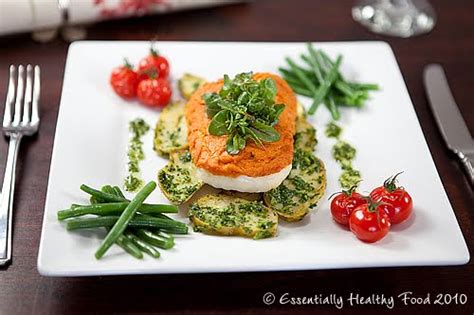
One of the quickest ways to elevate a dish is to introduce height. Instead of spreading food flat, think about stacking or layering components. For instance, if you’re serving pasta, twirl it into a neat mound rather than sprawling it across the plate. For proteins, place them strategically to build a slight elevation. Similarly, vary the textures on your plate. A smooth purée next to something crispy, or a tender piece of meat with crunchy vegetables, adds visual interest and a delightful mouthfeel.
Color is another powerful tool. Aim for a palette of at least three different colors on your plate. This could be achieved through colorful vegetables, sauces, or garnishes. Contrast is key – a vibrant green against a rich red, or a bright yellow next to a deep brown, can make a dish pop. Don’t be afraid to experiment with naturally colorful ingredients.
Strategic Placement: The Rule of Odds and Thirds
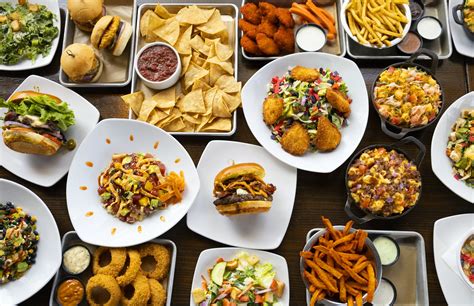
Professional chefs often utilize the ‘rule of thirds’ or the ‘rule of odds.’ For the rule of thirds, imagine your plate divided into a tic-tac-toe grid and place your main components along the lines or at their intersections. This creates a visually balanced yet dynamic arrangement, avoiding a centered, static look. The rule of odds suggests that an odd number of items (e.g., three asparagus spears, five cherry tomato halves) is generally more aesthetically pleasing than an even number, as it forces the eye to move around the plate.
Think about a focal point – usually the main protein or star of the dish – and arrange other components to complement it, leading the eye towards that central element. Create a sense of movement on the plate rather than just placing items randomly.
The Finishing Touches: Garnishes and Sauces
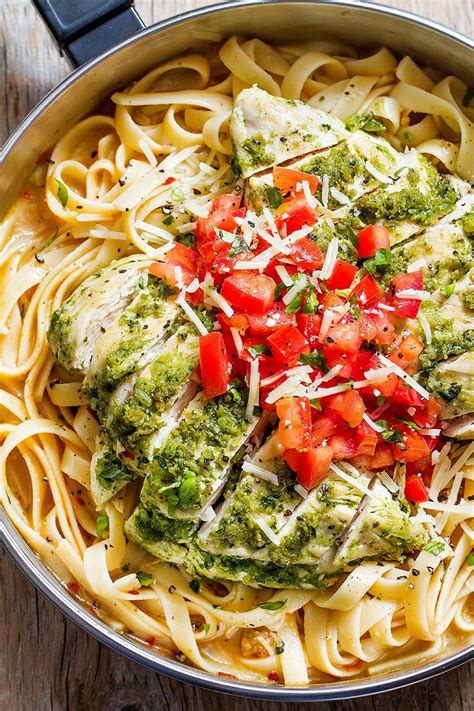
Garnishes aren’t just for show; they can add freshness, flavor, and a professional touch. A sprig of fresh herbs (parsley, cilantro, dill, mint) strategically placed can brighten a dish. A sprinkle of toasted nuts, seeds, or even a dusting of paprika or cocoa powder (for desserts) can add texture and color. For sauces, instead of just drizzling haphazardly, consider using a squeeze bottle or spoon to create intentional lines, dots, or swirls. A swipe of sauce across the plate can provide an artistic base for your main components.
Practical Tips for Everyday Plating
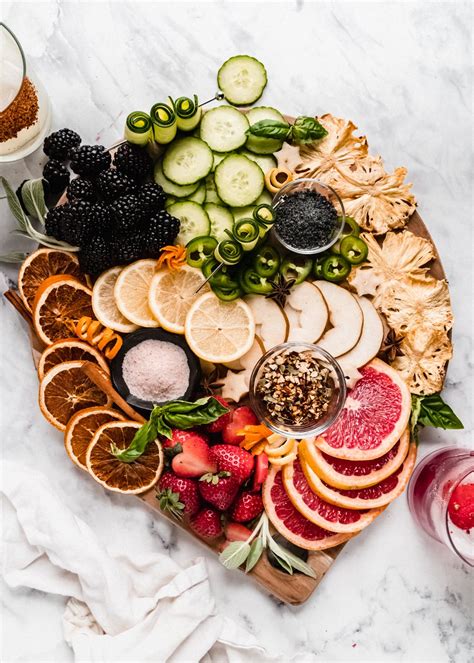
- Tools of the Trade: A pair of kitchen tweezers can help with delicate placement. Squeeze bottles are excellent for controlled sauce application.
- Clean as You Go: Keep a damp cloth handy to wipe spills and clean plate rims before serving.
- Practice Makes Perfect: Don’t be discouraged if your first attempts aren’t flawless. The more you practice, the more intuitive plating will become. Start with simple dishes and gradually try more complex arrangements.
- Less is More: Overcrowding a plate can negate all your efforts. Allow for breathing room between components.
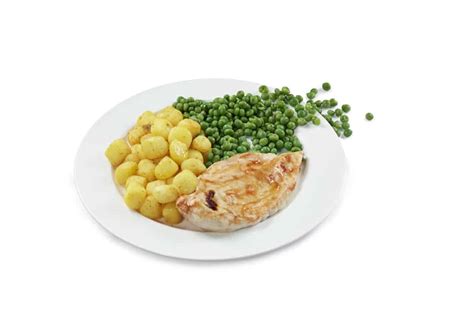
Transforming your homemade meals into professionally styled dishes is an achievable goal with a little patience and an understanding of basic visual principles. By focusing on clean presentation, building height and texture, utilizing strategic placement, and adding thoughtful garnishes, you can elevate your culinary creations from merely delicious to truly spectacular. So, next time you cook, take a moment to plate with intention – your taste buds and eyes will thank you!